
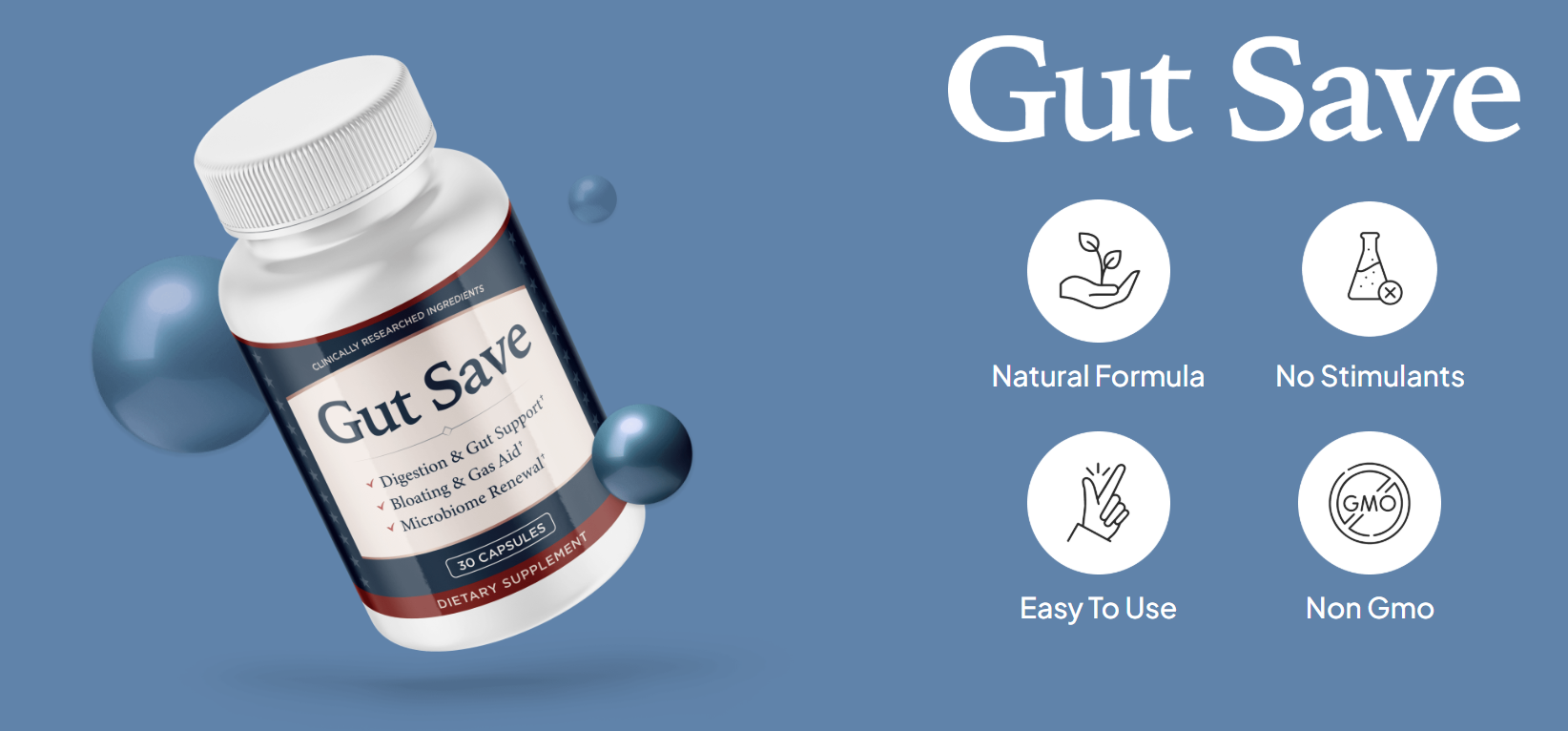
Gutsave Tablet Review: Effective Relief for Acid-Related Conditions
Gutsave tablet, containing the active ingredient pantoprazole, is a proton pump inhibitor (PPI) widely recognized for its effectiveness in managing a variety of acid-related digestive conditions. These include gastroesophageal reflux disease (GERD), stomach and duodenal ulcers, esophagitis, and other disorders caused by excessive stomach acid production. By targeting and blocking the proton pumps responsible for acid secretion in the stomach lining, Gutsave works to significantly reduce acid production, thereby alleviating symptoms such as heartburn, indigestion, acid reflux, and inflammation of the esophagus. This review explores in depth the benefits, usage guidelines, side effects, precautions, and overall role of Gutsave in promoting digestive health.
Understanding Acid-Related Conditions and the Role of Gutsave
Acid-related conditions stem from the overproduction or improper regulation of gastric acid in the stomach. This excess acid can damage the mucosal lining of the stomach and esophagus, leading to symptoms like burning sensations, discomfort, pain, and in severe cases, ulcers or erosions. GERD is a common chronic condition where acid refluxes into the esophagus, causing irritation and inflammation known as esophagitis. Stomach and duodenal ulcers are open sores that form on the lining of these organs due to acid damage, often exacerbated by factors such as NSAID use or Helicobacter pylori infection.
Gutsave, through its active compound pantoprazole, inhibits the H+/K+ ATPase enzyme system—commonly referred to as the proton pump—located on the gastric parietal cells. By irreversibly binding to these pumps, pantoprazole blocks the final step in acid secretion, leading to a substantial and sustained decrease in gastric acid production. This mechanism not only relieves symptoms but also fosters an environment conducive to healing damaged tissues.
Comprehensive Benefits of Gutsave Tablet
Gutsave offers a wide range of benefits for individuals suffering from acid-related gastrointestinal disorders:
- Symptom Relief: By reducing stomach acid, Gutsave effectively alleviates symptoms such as heartburn, acid reflux, chest discomfort, and indigestion, which can significantly impair quality of life.
- Ulcer Healing: The reduction in acid allows ulcers in the stomach and duodenum to heal by minimizing irritation and preventing further tissue damage. This reduces the risk of complications like bleeding or perforation.
- Esophagitis Management: Chronic acid reflux can inflame and erode the esophageal lining. Gutsave helps reduce this inflammation, promoting recovery and decreasing pain or difficulty swallowing.
- Protection During NSAID Use: Patients who require long-term use of non-steroidal anti-inflammatory drugs (NSAIDs) are at increased risk of developing ulcers. Gutsave provides a protective effect by lowering acid levels, thereby reducing ulcer risk.
- Improved Quality of Life: By controlling acid production and associated symptoms, Gutsave helps patients maintain better sleep, reduce discomfort, and improve overall daily functioning.
How to Use Gutsave Tablet for Maximum Effectiveness
For optimal therapeutic effect, Gutsave should be taken on an empty stomach, typically 30 to 60 minutes before breakfast. This timing ensures maximum absorption and acid suppression during the day when acid secretion is naturally higher. It is important to swallow the tablet whole without crushing or chewing, as this preserves the drug’s extended-release properties.
The dosage and duration of treatment depend on the specific condition being managed. For GERD and esophagitis, treatment usually lasts between four to eight weeks, though longer courses may be necessary in some cases. Ulcer treatment protocols also vary based on severity and underlying causes. Consistency in medication timing is crucial to maintain effective acid suppression and prevent symptom recurrence.
In addition to medication, lifestyle modifications play a vital role in managing acid-related conditions. These include avoiding large or fatty meals, limiting caffeine and alcohol intake, quitting smoking, maintaining a healthy weight, and not lying down immediately after eating. Such measures complement Gutsave’s action and contribute to sustained symptom control.
Potential Side Effects and Safety Profile
While Gutsave is generally well tolerated, some patients may experience side effects. Common adverse effects include headache, nausea, vomiting, diarrhea, abdominal pain, dizziness, and flatulence. These symptoms are usually mild and transient, often resolving as the body adjusts to the medication.
However, long-term use of pantoprazole, especially beyond one year, has been associated with increased risks that warrant careful monitoring:
- Bone Fractures: Prolonged acid suppression may impair calcium absorption, potentially leading to decreased bone density and a higher risk of fractures.
- Vitamin B12 Deficiency: Stomach acid is essential for releasing vitamin B12 from food. Extended use of Gutsave may reduce B12 absorption, leading to deficiency symptoms such as fatigue, neuropathy, or anemia.
- Magnesium Deficiency: Chronic use can also cause low magnesium levels, which may result in muscle cramps, irregular heartbeat, or seizures.
Patients on long-term therapy should undergo regular medical evaluations, including blood tests to monitor vitamin and mineral levels and bone health. Any persistent or severe side effects should be promptly reported to healthcare providers.
Important Precautions and Drug Interactions
Before starting Gutsave, it is essential to inform your healthcare provider about any allergies, existing medical conditions, or medications being taken. Gutsave is contraindicated in individuals allergic to pantoprazole or other proton pump inhibitors.
Special caution is advised for patients with liver or kidney impairment, pregnant or breastfeeding women, and elderly individuals, as dose adjustments or close monitoring may be necessary.
Gutsave may interact with several medications, potentially altering their effectiveness or increasing side effects. Notable interactions include:
- Antifungal Agents: Drugs like ketoconazole and itraconazole require an acidic environment for absorption, which Gutsave reduces, leading to decreased efficacy.
- HIV Medications: Certain antiretroviral drugs may have reduced blood levels when taken with pantoprazole.
- Blood Thinners: Gutsave may increase the effects of warfarin, elevating bleeding risk.
- Antibiotics: Some antibiotics, such as ampicillin, may have reduced absorption.
- Iron Supplements: Acid suppression can decrease iron absorption, potentially worsening anemia.
- Methotrexate: Pantoprazole may increase methotrexate toxicity risk.
Patients should provide a complete list of medications and supplements to their doctor to avoid adverse interactions.
Lifestyle and Dietary Considerations to Enhance Treatment
In addition to medication, adopting certain lifestyle habits can significantly improve treatment outcomes and overall gut health:
- Dietary Adjustments: Avoiding processed foods, spicy and fatty meals, and carbonated drinks can reduce stomach irritation. Incorporating high fiber foods and fermented foods can nurture gut microbiome diversity, supporting gut health and potentially enhancing brain health through the vital gut brain connection.
- Stress Reduction: Chronic stress can trigger systemic inflammation and negatively affect the gut brain connection, exacerbating symptoms. Techniques such as mindfulness, yoga, and regular physical activity can reduce stress levels and support both gut and brain function.
- Hydration: Drinking adequate water aids digestion and helps fiber move through the digestive tract, reducing constipation and promoting a healthy microbiome.
- Regular Exercise: Physical activity stimulates normal bowel function and is associated with improved digestive and mental health.
- Avoid Smoking and Limit Alcohol: Both smoking and excessive alcohol intake can worsen acid-related symptoms and impair healing.
The Gut-Brain Connection: Why Gut Health Matters Beyond Digestion
Emerging research highlights the crucial biological gut brain axis, a communication network linking the gut microbiome and brain function. Poor gut health and intestinal permeability (leaky gut) can trigger systemic inflammation that affects brain health, contributing to cognitive decline, neurodegenerative diseases, and overall mental health challenges.
Maintaining a healthy gut microbiota through balanced nutrition and lifestyle is vital for nurturing gut health and supporting enhanced brain function. Gutsave’s role in managing acid-related conditions helps restore gut integrity, which may indirectly benefit cognitive function and mental well-being.
Final Verdict: Gutsave as Part of a Holistic Digestive Health Strategy
Gutsave tablet is a reliable, effective, and well-studied medication for managing acid-related digestive disorders. Its ability to reduce stomach acid production helps relieve symptoms, promote healing of ulcers and esophagitis, and protect the stomach lining in vulnerable patients. When used as directed alongside appropriate lifestyle modifications, Gutsave can significantly improve quality of life and digestive comfort.
Patients should always consult healthcare professionals before starting or stopping treatment to ensure safety, especially if long-term therapy is considered. Regular monitoring and a holistic approach that embraces both eastern and western techniques for gut health can optimize outcomes and support overall well-being.
In summary, Gutsave is a valuable tool in combating acid-related conditions, with benefits extending beyond symptom relief to potentially supporting the vital gut brain connection and overall mental and physical health. By combining expert medical guidance with lifestyle changes, individuals can achieve better gut health and enhanced life quality.
Additional Considerations: Maintaining Brain Health Through Gut Health
The concept of “gut save” extends beyond digestive comfort; it is increasingly linked to maintaining brain health. Research indicates that the gut affects cognitive abilities by influencing neuroinflammation and neurotransmitter production. By improving gut health with treatments like Gutsave and lifestyle changes, individuals may unlock brain health benefits that boost cognitive function and help prevent cognitive decline.
Health advocate Dr. Partha Nandi, an international health advocate and chief health editor, emphasizes a holistic approach embrace Dr. Nandi’s philosophy that wellness combines eastern and western medicine to address the human universe of health emanate from gut bacteria balance. This expertly informed philosophy supports battling neurodegenerative diseases through nutrition sciences, sleep quality, and stress management.
Therefore, managing stomach pain and stomach ulcers with medications like Gutsave not only addresses immediate symptoms but also contributes to a broader strategy of preventing neurodegenerative diseases and promoting overall health hero status for patients and families, especially those with a personal or family history of cognitive disorders.
The Role of Medical Community and Research
Clinical associate professors and chief medical officers continue to study the rapidly evolving science of the gut-brain axis, with institutions like Michigan Medicine and Mayo Clinic Press publishing findings that reinforce the importance of regular dosing schedules and double dose avoidance to maximize benefits and minimize missed dose risks.
As the medical community embraces these insights, patients are encouraged to remain informed and proactive in their health management, combining medication with lifestyle interventions to harness the full potential of gut save for improved brain articulates and blood sugar regulation.
In conclusion, Gutsave Capsules serves as a cornerstone in both managing acid-related digestive disorders and supporting the interconnected systems that influence brain health and overall wellness.
Lifestyle Modifications That Support Gut Save and Brain Health Unlock
Everyday lifestyle stressors can alter the delicate balance of the gut microbiome, impacting not only digestion but also brain function. Simple habits like chewing food thoroughly improve digestion and nutrient absorption, essential for a thriving microbiome that supports efficient nutrient uptake.
Roughly 70% to 80% of the body’s immune cells reside in the gut, highlighting its critical role in immune defense. Moreover, a significant portion of the body’s mood-influencing chemicals originates in the gastrointestinal tract, underscoring the gut’s influence on mental health.
Eating many types of plant foods supports a more diverse gut microbiome, a marker of gut health, which experts define as normal gastrointestinal function without active disease. Efficient nutrient absorption depends entirely on this thriving microbiome.
High chronic stress negatively impacts the gut-brain axis and alters gut motility, often worsening digestive symptoms. Engaging in regular exercise to maintain a healthy weight not only supports digestion but also benefits mental health.
By integrating these lifestyle modifications with medical treatment like Gutsave and considering HIV treatment interactions when relevant, individuals can unlock brain health benefits and achieve comprehensive wellness.
Disclaimer & Copyright
The content on AmericanPainSociety.org is provided for general informational purposes only and should not replace professional medical advice, diagnosis, or treatment. We make no guarantees of accuracy, completeness, or timeliness. Users rely on the information at their own risk. Always consult qualified professionals for healthcare decisions.
© 2025 American Pain Society. All rights reserved. No part of this website may be reproduced, distributed, or transmitted in any form or by any means without prior written permission.

