
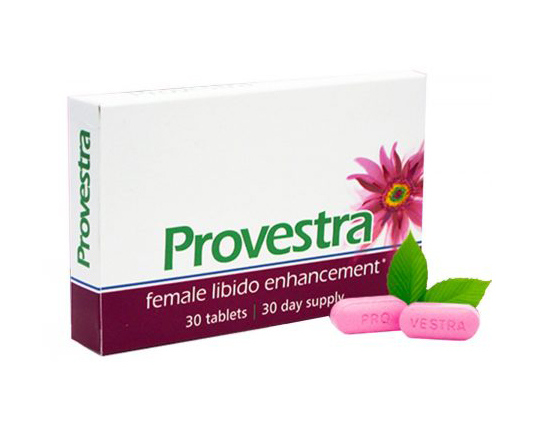
Provestra is one of the most talked-about supplements in the female sexual health space. But does it actually deliver? This provestra review cuts through the marketing to examine what the ingredients, research, and real customer experiences actually tell us about this product from Leading Edge Health.
Provestra Review: Quick Verdict
Provestra is a daily herbal supplement designed to improve sexual desire, arousal, lubrication, and overall sexual satisfaction. It targets menopausal women, post menopausal women, and younger women dealing with low libido through a hormone-free formula of herbal ingredients, amino acids like L-arginine, and vitamins including ginkgo biloba, black cohosh, ginger root, b complex vitamins, and folic acid.
Customer results are mixed-to-positive. Some women report noticeably better desire, vaginal lubrication, and fewer hot flashes after four to eight weeks of consistent use. Others notice only subtle or no changes. In manufacturer surveys, 97.74% of surveyed users reported increased sexual satisfaction, but independent marketplace reviews tell a more varied story, averaging around 3–4 stars.
Key strengths: hormone-free, all natural formula with a wide blend of sexual health nutrients, a 67-day money back guarantee, discreet shipping, and one-pill-per-day convenience. Key weaknesses: no clinical trials on the finished product, many ingredient doses fall below those used in promising studies, and results can take weeks with no guarantee they’ll work for every woman. The overall verdict is that Provestra may be worth trying for women seeking a non-prescription, herbal female libido enhancement option, as long as expectations stay realistic and they commit to at least 1–2 months of consistent use.
In This Provestra Review
- What Provestra is and who makes it (Leading Edge Health)
- How provestra claims to work across libido, arousal, and menopause support
- The full ingredient profile: 18 main ingredients broken down by category
- What clinical research on individual ingredients suggests (and where the gaps are)
- Real customer feedback from independent platforms
- Pros, cons, safety considerations, and potential risks
- Cost breakdown, discounts, and the money back guarantee
- How Provestra compares to alternatives (other supplements, prescription options, lifestyle changes)
- Who should and shouldn’t consider it
- This review draws on published research on ingredients like L-arginine, ginkgo biloba, and black cohosh, publicly available customer reviews on Trustpilot and retailer listings, and manufacturer information – not on personal product use
What Is Provestra?
Provestra is an over the counter female libido enhancement and menopause-support supplement created by Leading Edge Health, available since the mid-2000s. While it’s often marketed to perimenopausal and menopausal women dealing with declining desire and comfort, younger women experiencing stress-related or unexplained drops in sex drive also use it.
The product’s main claimed benefits include the ability to increase libido, improve sexual arousal and vaginal lubrication, intensify orgasms, and relieve symptoms associated with menopause such as hot flashes, night sweats, mood swings, and irregular periods. Provestra relies on a blend of herbal aphrodisiacs, adaptogens, and vitamins delivered in a single daily tablet. The formula contains 18 main ingredients including herbs like damiana, ginger root, licorice root, black cohosh root, korean red ginseng, and kudzu alongside the amino acid L-arginine, vitamins A, C, E, b complex vitamins, folic acid, and minerals like calcium, iron, and zinc.
Provestra is marketed as hormone-free, containing no synthetic estrogen or progesterone. Leading Edge Health positions it as a natural alternative to prescription treatments or hormone replacement therapy. According to the manufacturer, some users see results in as little as 7 days, though more noticeable changes typically appear after 30 days. The product is described as “doctor-endorsed” and backed by a 67-day money back guarantee.
Does Provestra Actually Work?
The honest answer: Provestra may help some women, particularly those with nutrient gaps or mild menopausal symptoms, but effects are modest, inconsistent, and not backed by clinical trials on the full formula. The product lacks sufficient clinical evidence to prove all claimed effects.
On the manufacturer’s side, internal surveys report that 97.74% of 488 women claimed higher overall sexual satisfaction. Independent platforms paint a different picture. Amazon reviews tend to land in the 3–4 star range, with both genuine success stories and straightforward “nothing changed” reports. The gap between official and independent data suggests selection bias in manufacturer surveys.
What’s notable is that when you search for regulatory assessments, an FDA review memo examining over the counter products for sexual dysfunction specifically names Provestra among supplements where “no success was reported.” When you open this pdf file and navigate past the toggle sidebar find previous tools and outline attachments layers to reach the relevant section, the language is unambiguous. The pdf version of this document, with its spreads document properties, page count, and other document properties visible in any standard reader, represents a sobering counterpoint to marketing claims. Details like the pdf producer, file size, page size, creation date, modification date, ok file name information, and even navigating between first page and last page of the report confirm it’s a legitimate regulatory assessment. Anyone can close preparing document viewers after reading the key finding and match case searches to the specific mention of Provestra.
Does provestra work? Individual response depends heavily on age, menopause status, baseline hormone levels, overall health, stress, and medications. Women with mild symptoms and nutritional deficiencies are more likely to notice changes. Those with severe sexual dysfunction or complex hormonal conditions should not expect dramatic results from any supplement.
How Provestra Works
Provestra targets several pathways thought to influence female libido and menopausal comfort: blood flow to the genitals, hormone metabolism, stress response, and basic nutritional status. Rather than acting as an instant arousal agent, it aims to gradually support the body’s own systems over weeks of daily use.
The amino acid L-arginine may boost nitric oxide production, a compound that relaxes blood vessels and increases blood flow to the clitoris and vaginal tissues. This mechanism could potentially improve sexual arousal, sexual sensitivity, and natural lubrication. Herbal ingredients like ginkgo biloba extract, ginseng, damiana, and ginger root are traditionally used to support circulation, mood, and sexual response. Meanwhile, black cohosh and kudzu are marketed to help reduce hot flashes and support estrogen balance without directly supplying hormones.
The vitamins and minerals in the formula – vitamin c, vitamin e, b complex vitamins, folic acid, zinc, iron, calcium – address potential deficiencies that can contribute to fatigue, low mood, or reduced sexual interest. They function similarly to a broad multivitamin. However, many ingredients are present at doses lower than those used in the strongest clinical studies, so real-world impact is likely gentler and slower than mechanisms might suggest on paper. Provestra does not supply estrogen or progesterone directly. Instead, it may influence how the body metabolizes hormones and copes with fluctuations, which is why benefits for hot flashes or night sweats tend to be subtle rather than decisive.
Provestra Ingredients
Provestra combines a proprietary herbal blend with vitamins, minerals, and amino acids. Doses referenced here are based on typical label data reported by independent reviewers – approximately 300 mg L-arginine, 25 mg ginkgo biloba, 25 mg black cohosh – though amounts may vary slightly by batch. Many botanical ingredients in Provestra show promise in individual studies, but the evidence base ranges from strong to very limited, and often involves higher doses than what’s found in this formula.
Amino Acids and Key Actives
L-Arginine in Provestra is dosed at 300 mg per serving, included to support nitric oxide production and improve sexual function through enhanced blood flow. To put this in context, a systematic review of L-arginine for female sexual health found that effective doses in clinical trials ranged from 800 mg to several grams per day. Provestra’s 300 mg is a conservative amount – enough to contribute, but likely below what’s needed for standalone efficacy.
Theobromine, an ingredient in Provestra derived from cocoa, acts as a mild stimulant and vasodilator. It may support mood, alertness, and gentle arousal, drawing on its long-standing association with chocolate as a “feel-good” compound. The formula also includes indole-3-carbinol, a compound from cruciferous vegetables that may influence estrogen metabolism, potentially helping manage symptoms related to excess estrogen or hormonal fluctuations. Evidence for indole-3-carbinol is mostly from lab and animal studies, with limited human data.
Herbal Ingredients and Botanical Blend
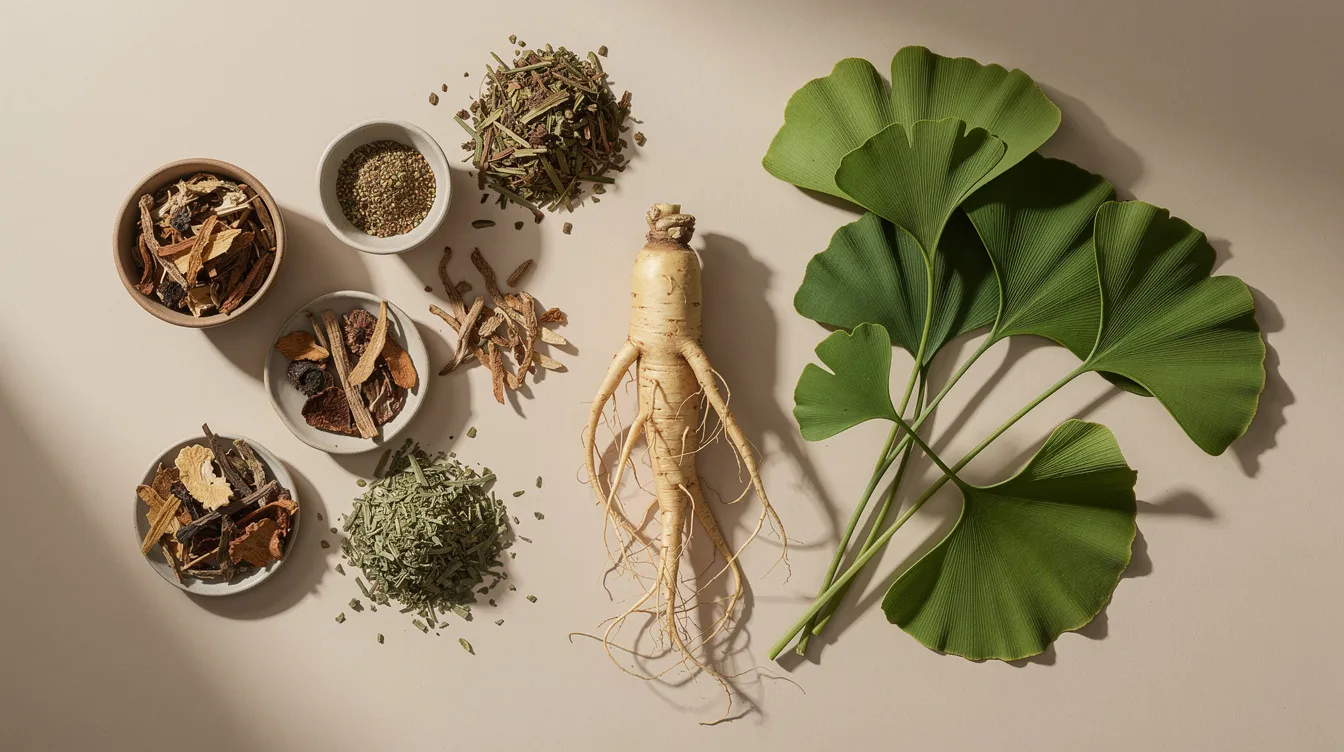
The botanical core of Provestra includes ginkgo biloba, korean red ginseng, damiana leaf, ginger root, licorice root, black cohosh, red raspberry, valerian root, kudzu, and horny goat weed among others. Each targets a different aspect of female sexual health or menopausal comfort.
Ginkgo biloba is used to improve blood circulation and cognitive function. Some research suggests modest improvements in sexual function at around 300 mg per day, but Provestra’s lower dose (approximately 25 mg) means effects are likely milder. Black cohosh is one of the most common herbs in menopause formulas, used to reduce hot flashes and night sweats. A meta-analysis of 16 randomized controlled trials involving over 2,000 menopausal women found results inconsistent even at 40–160 mg per day – well above Provestra’s roughly 25 mg. It may still contribute as part of a broader blend, but expectations should be tempered.
Damiana leaf is often used to boost sexual desire and has a long history in traditional chinese medicine and Latin American folk remedies. Ginseng is known to help with stress reduction and improve energy levels, both relevant to sex drive. Ginger root supports circulation and may ease nausea or digestive discomfort. Licorice root is included for hormonal modulation but carries cautions around blood pressure at higher doses. Valerian root is primarily a relaxation and sleep aid, indirectly supporting libido in stressed or anxious women. The botanical blend is proprietary, so exact amounts for some herbs aren’t fully disclosed, limiting precise comparison with clinical studies.
Vitamins, Minerals, and Nutritional Support
Provestra’s vitamin content includes vitamin A, vitamin c, vitamin e, b complex vitamins (B1, B2, B3/niacinamide, B5, B6, B12), folic acid, and biotin, generally at doses comparable to or slightly above standard multivitamins. B vitamins and iron support energy and red blood cell production. Folic acid and biotin contribute to cellular and reproductive health. Vitamin c and vitamin e act as antioxidants that may support vascular and hormone function.
Mineral support comes from calcium carbonate, iron, and zinc gluconate. Calcium matters for nerve and muscle contractions (including those involved in orgasm), iron for oxygen transport and regular menstrual cycles, and zinc gluconate in Provestra is linked to improved sexual function and hormone production. Provestra’s ingredients may help women deficient in certain nutrients see meaningful improvements. However, for women who already take a multivitamin, Provestra may duplicate some nutrient intake – worth noting for both safety and for determining whether benefits stem primarily from correcting deficiencies.
Provestra Benefits: What Users Actually Report
Combining manufacturer claims with real-world feedback paints a realistic picture. Many users report positive results in libido, vaginal lubrication, and orgasms. Common positive themes include increased sexual thoughts and interest, easier arousal, improved natural lubrication, more intense orgasms, fewer hot flashes or night sweats, better sleep, and more stable mood. Users report improved sexual experiences often within 2–4 weeks of daily use, with fuller effects appearing after six to eight weeks.
On the other side, some women notice only small changes, and others report no improvement in libido or menopausal symptoms despite one to two months of use. Provestra may benefit women experiencing perimenopausal symptoms, fatigue, or stress-related libido drops more than those with complex hormonal or psychological conditions. Benefits seem more likely when there are clear signs of nutrient depletion, chronic stress, or mild menopause symptoms.
Provestra is not an instant arousal pill. It will not dramatically increase desire overnight. Its benefits, if they occur, are cumulative and subtle – a gradual lift rather than a switch being flipped. Women expecting a sex drive kick comparable to prescription drugs will likely be disappointed.
Is Provestra Safe? Side Effects and Precautions
Provestra is generally considered safe for most users, and its ingredients generally have low side effect profiles at the doses provided. But “natural” does not automatically mean risk-free.
Common side effects may include nausea and headache, typically mild and often related to iron content or herbal extracts. Digestive sensitivity, including upset stomach, is occasionally reported. At higher doses of niacinamide, flushing can occur, though Provestra’s amounts generally stay below that threshold.
Specific cautions worth knowing: L-Arginine may lower blood pressure in some individuals, which could be problematic for women with already low blood pressure or those on antihypertensives. Ginkgo biloba and similar herbs may affect blood clotting – consult a doctor before starting Provestra if on blood thinners. Licorice root at high doses can influence cortisol and raise blood pressure, though Provestra’s amount is modest.
Provestra is not recommended for pregnant women or those breastfeeding, due to overlapping vitamins like folic acid and vitamin A and unknown effects of the herbal blend during pregnancy. It is advised to consult a doctor if taking prescription medications while using Provestra, especially antidepressants, anticoagulants, or hormone therapies. Medical professionals should be involved in the decision for women with hormone-sensitive cancers, liver disease, or cardiovascular conditions. Provestra is not evaluated by the FDA for safety or effectiveness and should not be used as a substitute for diagnosed treatment of sexual dysfunction or menopausal disorders.
How to Take Provestra for Best Results
The basic dosage is one tablet daily, taken at the same time each day to maintain steady levels of nutrients and herbs. While the manufacturer doesn’t require taking provestra with food, many users tolerate it better with a small meal, especially those prone to digestive sensitivity.
Leading Edge Health suggests using Provestra consistently for at least 30 days, with most women seeing fuller effects between six and eight weeks. Consistent daily use is necessary for assessing effectiveness in users. Stopping and starting reduces the cumulative buildup that the formula relies on. Provestra may take 1–2 months to show results, so patience matters.
Practical tips: set a phone reminder, pair the pill with an existing routine like breakfast, and keep a simple journal tracking changes in desire, hot flashes, mood, and sleep. Do not exceed the recommended dose – double-dosing won’t speed results and could increase side-effect risks.
Provestra Cost, Discounts & Money-Back Guarantee
| Package | Price | Per Month |
|---|---|---|
| 1-month supply | $59.95 | $59.95 |
| 2-month supply | $89.95 | ~$45 |
| Larger bundles | Varies | As low as $45 |
A one-month supply of Provestra costs $59.95 (sometimes listed at $59 for a one-month supply depending on retailer). A two-month supply of Provestra costs $89.95. Bulk purchases reduce the per-month cost to $45. Free shipping is available on orders over $200, and some promotional periods include bonus items or extra boxes on large orders.
Provestra offers a 67-day money back guarantee. Customers can try the product for roughly two months and return used and unused boxes within 67 days of purchase for a refund minus shipping if not satisfied.
Is Provestra a Good Value?
Provestra is more expensive than a basic multivitamin or single-herb supplement. It’s tied for the second highest price among non-prescription options in the female libido enhancement category. However, it consolidates a broad combination of herbal ingredients, amino acids, and vitamins into one pill – buying these ingredients separately could be more complex and potentially costlier.
The value proposition is partially about convenience and breadth. But Provestra’s ingredients are often present in lower doses than those used in effective studies, meaning buyers are partly paying for branding and formulation rather than clinically proven efficacy. The 67-day guarantee and multi-box discounts improve perceived value, particularly for women willing to commit to a two-month trial. For women specifically seeking a hormone-free, all-in-one sexual wellness and menopause support supplement, Provestra can be a reasonable investment. For those focused on maximum clinical dosing per dollar, targeted single-ingredient supplements may offer better value.
Provestra Reviews: What Real Customers Say
Overall sentiment across review platforms varies significantly. The official website reports very high satisfaction (over 97% in internal surveys), while independent platforms like Trustpilot show an average TrustScore of 4.0 out of 5, with approximately 59% five-star reviews but also 23% one-star reviews.
Typical positive reviews come from women in their 40s and 50s reporting a return of sex drive, better lubrication, more frequent or stronger orgasms, fewer hot flashes, improved sleep, and feeling “more like themselves” after taking provestra for four to eight weeks. Common negative reviews describe no noticeable change in libido or menopause symptoms after a month or more, dissatisfaction with the tablet’s smell, or mild digestive upset leading them to discontinue.
Some users who initially see strong improvements report that effects plateau over time, while others experience steady, gradual benefit that holds. Official-site testimonials should be interpreted with caution due to potential selection bias. Third-party reviews from women describing circumstances similar to your own – age, menopausal stage, medications – tend to be the most useful guide for setting expectations.

How Provestra Compares to Alternatives
Understanding where Provestra fits among other options helps clarify whether it’s the right choice. Alternatives fall into three broad categories: other hormone-free supplements, prescription medications, and general wellness approaches. This comparison is educational, not medical advice – individual choices should involve a healthcare professional.
Provestra vs Other Non-Prescription Female Libido Supplements
Several hormone-free female libido enhancers use similar botanical blends and amino acids. Some competitors may offer higher doses of specific evidence-backed ingredients or slightly lower prices, while Provestra focuses on a broad-spectrum approach combining menopause support and libido enhancement. Provestra and HerSolution share only two common ingredients, making them more complementary than redundant. Provestra’s 67-day guarantee is longer than many supplement brands, which can be a deciding factor for cautious first-time buyers. For women dealing with a mix of low libido, dryness problems, and menopause symptoms, Provestra’s breadth may be an advantage over more narrowly focused alternatives.
Provestra vs Prescription Options for Low Libido
Addyi is a prescription option for hypoactive sexual desire disorder (HSDD) in premenopausal women, and Vyleesi (bremelanotide) offers another FDA-approved route. Both have undergone rigorous clinical testing with clearly documented effects and side effects – including blood pressure changes, nausea, and dizziness – and require medical supervision.
Provestra, by contrast, is a gentler, non-prescription herbal supplement with fewer serious side-effect reports but far less robust evidence of efficacy. Women with very low libido that severely impacts quality of life, particularly if diagnosed with HSDD, should discuss prescription options with a clinician rather than relying solely on supplements. These categories serve different roles and should only be combined under medical supervision.
Provestra vs General Wellness Supplements & Lifestyle Changes
A high-quality multivitamin, omega-3s, or targeted nutrients like vitamin D or iron may address deficiencies that undermine mood, energy, and libido – often at lower cost than Provestra. Lifestyle interventions such as regular exercise, stress management, improved sleep, relationship communication, and reduced alcohol consumption have substantial research support for improving sexual function and menopause symptoms, sometimes outperforming many herbal supplements.
Provestra works best as a potential add-on to these foundational changes rather than a replacement. It may provide a modest incremental boost but is unlikely to overcome major lifestyle or relationship barriers alone. Most women will see better outcomes when supplements are part of a broader wellness plan that includes diet, movement, mental health support, and medical care where needed.
Who Provestra May (and May Not) Be Right For
Provestra may suit you if you’re an adult woman experiencing mild-to-moderate loss of libido, vaginal dryness, hot flashes, or estrogen levels that are shifting during perimenopause. It’s designed for those preferring a hormone-free, herbal approach without major contraindicating health conditions. Women with nutrient deficiencies or stress-driven drops in desire may find the formula particularly relevant.
Provestra may not suit you if you’re among pregnant women or breastfeeding, have hormone-sensitive cancers, are on blood thinners or significant cardiovascular medications affecting blood pressure, or have severe unexplained sexual dysfunction that hasn’t been medically evaluated. Mental health factors like depression or anxiety, relationship issues, and side effects from medications like SSRIs are common contributors to low libido and need professional assessment that goes beyond supplements. Talk openly with your healthcare provider or a sexual health specialist before starting Provestra, especially alongside other treatments.
Final Verdict: Is Provestra Worth Trying?
Provestra can be a reasonable, low-risk option for women looking for a non-prescription, hormone-free supplement to gently support female libido and ease menopause symptoms like hot flashes and dryness. But expectations should remain grounded. The evidence is suggestive, not definitive.
Its main strengths are a comprehensive blend of herbs, vitamins, and amino acids targeting both sexual satisfaction and menopausal comfort; convenient once-daily dosing; discreet shipping; and a relatively generous 67-day money back guarantee from leading edge health. Its main weaknesses are that ingredient doses often fall below those used in successful clinical studies, there are no high-quality trials on the complete formula, results vary widely between individuals, and the price is higher than basic multivitamins or single-ingredient supplements.
Women who decide to try Provestra should commit to at least six to eight weeks of consistent use before judging its impact. Track changes in desire, hormone levels, and symptoms. Be prepared to return the product within the guarantee window if no benefit materializes.
The strongest path to improve sexual function and menopausal quality of life combines any supplement choice with broader strategies: talking to a clinician, addressing lifestyle factors, and nurturing emotional intimacy. No pill replaces that foundation – but for some women, Provestra may provide a gentle nudge in the right direction.

