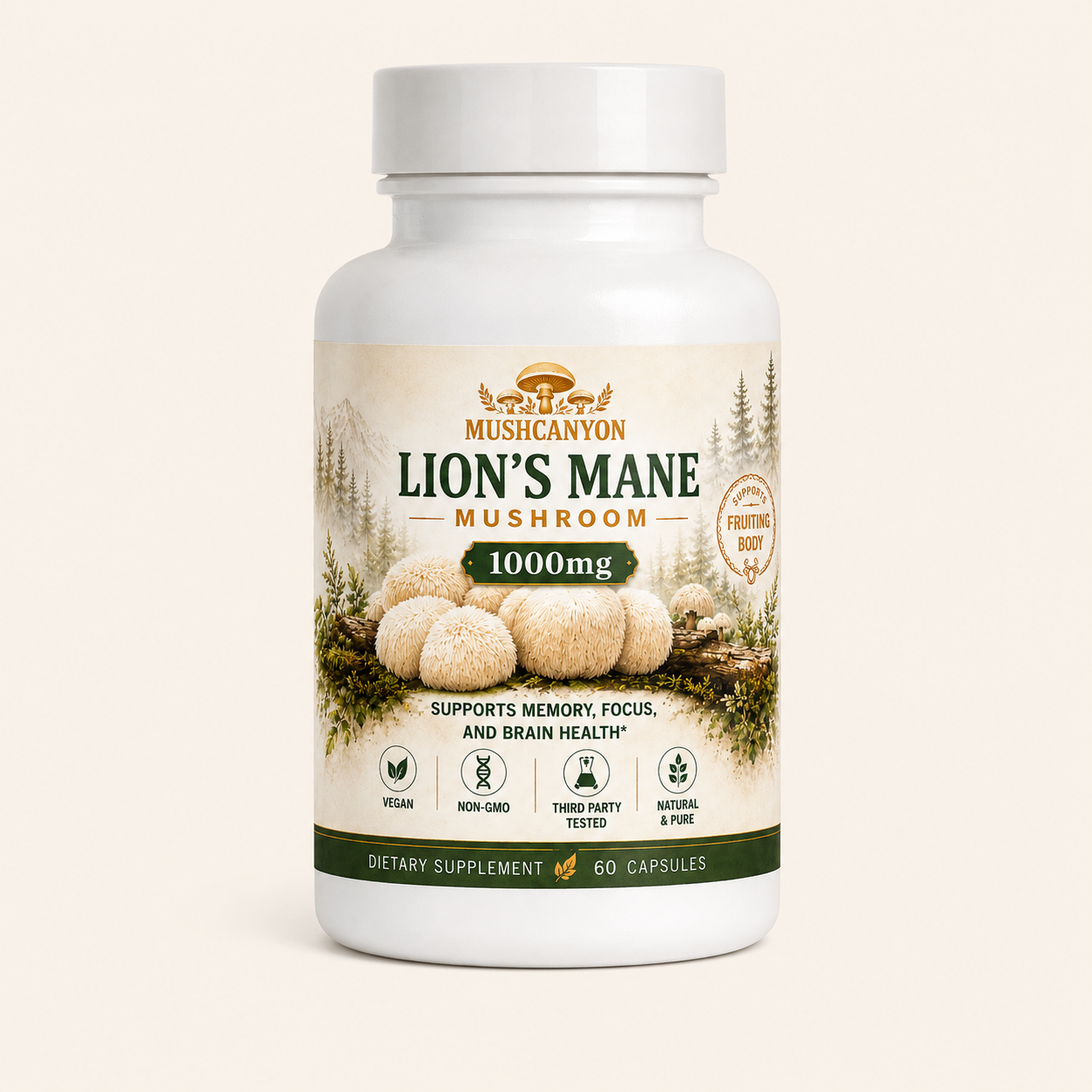
With dozens of lion’s mane supplement options flooding the market, figuring out which one actually delivers on its promises is no small task. Not all supplements are created equal, and the differences in sourcing, extraction, and potency can make or break your results. This MushCanyon Lion’s Mane review breaks down the ingredients, clinical evidence, pricing, and real-world feedback so you can decide whether this mushroom supplement deserves a place in your daily routine.
MushCanyon Lion’s Mane Review: Quick Verdict
MushCanyon Lion’s Mane is a brain health focused mushroom supplement standardized to 40% polysaccharides, positioned for memory, focus, and cognitive support. Lion’s Mane is widely studied for its cognitive and mood benefits, and this product aims to deliver those advantages through a clean, organic formulation.
The highlights:
- Organic lion’s mane mushroom fruiting body and mycelium blend
- Standardized to 40% polysaccharides (400 mg per serving)
- Vegan, non GMO, gluten free capsules
- Third party tested for purity
- Made in a USA FDA-registered facility
At roughly $0.75 per serving, MushCanyon sits in the upper-mid range of the market. It’s not the cheapest option, but the polysaccharide standardization is higher than many competitors. Lion’s Mane supports memory, focus, and mental clarity daily, and the product page currently shows predominantly positive customer feedback, with users mentioning focus and productivity benefits.
Bottom line: For users seeking a dedicated lion’s mane supplement rather than a multi-mushroom blend, MushCanyon appears to be a solid option. Human evidence for Lion’s Mane remains promising but still developing, and more product-specific clinical trials are still needed. If you value organic sourcing, clean labels, and consistent potency in your daily brain support supplement, it’s worth serious consideration.
How We Evaluated MushCanyon Lion’s Mane
We assessed MushCanyon Lion’s Mane across five core criteria over an 8-week evaluation period:
- Ingredient quality and sourcing – Is it fruiting body, mycelium, or both? Are the ingredients organic and free from heavy metals and contaminants?
- Potency and standardization – What percentage of active compounds does each serving deliver? How does it compare to doses used in human research?
- Third-party testing – Third-party testing ensures supplement quality and safety. We looked for evidence of independent lab verification.
- User experience – Capsule size, taste, ease of daily use, and reported effects from customer reviews.
- Value – Compare price per serving to assess supplement value against competing products with similar profiles.
We cross-referenced MushCanyon’s specifications against clinical research standards, including dosing protocols from published randomized controlled trials. We also analyzed customer feedback from the brand’s website and Trustpilot.
MushCanyon Lion’s Mane: Complete Product Analysis
What Makes MushCanyon Lion’s Mane Stand Out
MushCanyon markets its lion’s mane extract as a premium, single ingredient cognitive support supplement. Here’s what the label actually reveals:
- Extract type: Organic Lion’s Mane (Hericium erinaceus) fruiting body and mycelium powder
- Standardization: 40% polysaccharides (400 mg per serving)
- Capsule type: Pullulan (vegan) capsules with organic pea starch
- Certifications: USDA Organic, Non-GMO, Gluten-Free, Vegan
It’s worth noting that the product contains both fruiting body and mycelium, despite some marketing language that implies fruiting body only. This is a meaningful distinction. Look for lion’s mane supplements with fruiting body extracts when possible, as research suggests higher concentrations of beneficial compounds like hericenones are found in the fruiting body. However, erinacines – another class of compounds linked to nerve growth factor activity – are primarily found in the mycelium, so a blend isn’t inherently inferior.
Choose organic lion’s mane to avoid contaminants like pesticides, and MushCanyon checks that box with its certified organic mushrooms sourcing. Mushroom extracts can have varying concentrations affecting bioavailability, which makes the 40% polysaccharide standardization a useful quality indicator, even if it’s not the most precise metric available.

Best For
- Students seeking better focus and short term memory retention during study sessions
- Office workers dealing with brain fog and mental fatigue who want to stay focused throughout the day
- Older adults wanting to support cognitive function and long-term brain cells health
- Anyone preferring single ingredient powdered supplements or capsules over a mushroom complex or mushroom gummies
Key Strengths
High polysaccharide content. At 40% standardization, MushCanyon delivers more polysaccharides per serving than many competitors. Compounds like beta-glucans – a subset of polysaccharides – can support gut health and immunity, adding physical benefits beyond cognitive enhancement.
Clean formulation. No artificial colors, artificial flavors, or preservatives. The capsules use pullulan rather than gelatin, making it suitable for vegan and vegetarian diets. The formula is also gmo free.
Neuroprotective profile. The mushroom has neuroprotective and anti-inflammatory properties, which are well-documented in both animal studies and emerging human studies. These properties support the product’s positioning for brain function and nervous system health.
Competitive pricing. Under $1 per serving puts it within reach for consistent daily use – important since Lion’s Mane works best with sustained supplementation.
Practical format. Easy-to-swallow capsules with a clear dosing recommendation (2 per day) make it simpler to integrate into your daily routine than loose powder or mushroom coffee formats. No mushroom flavor or taste issues to contend with.
Possible Limitations
Delayed onset. Benefits of Lion’s Mane supplementation may take several weeks to appear. Don’t expect an immediate caffeine-like boost – this is a long-game supplement, not a quick fix for mental sharpness.
No beta-glucan disclosure. While 40% polysaccharides sounds strong, polysaccharides include both beta-glucans (bioactive) and alpha-glucans (often from starch, less bioactive). Without separate beta-glucan testing reported, it’s harder to assess true potency.
Mycelium inclusion. The blend of fruiting body and mycelium raises questions about the proportion of each. Pure fruiting body extracts tend to have higher beta-glucan percentages (25–48%) compared to mycelium-on-grain products (often under 10%).
Sensitivity considerations. Some users report experiencing heightened anxiety or excessive focus, particularly at higher doses. While these reports are uncommon, they’re worth noting for anyone sensitive to nootropic supplements.
Single ingredient. If you’re looking for synergistic compounds like rhodiola rosea, ashwagandha, or a full mushroom complex, you’ll need to pair this with other supplements.
MushCanyon vs Leading Lion’s Mane Competitors
How does MushCanyon stack up against the most popular lion’s mane mushroom extract products? Here’s a direct comparison:
| Feature | MushCanyon | Real Mushrooms | NutraBio | Host Defense |
|---|---|---|---|---|
| Extract Type | Fruiting body + mycelium | Fruiting body only | Fruiting body only | Mycelium on grain |
| Polysaccharides | 40% standardized | Not specified (beta-glucan focused) | Not specified | Not specified |
| Beta-Glucans | Not disclosed | >30% verified | Not disclosed | Low (grain-diluted) |
| Price/Serving | ~$0.75 | ~$0.50 | ~$0.56 | ~$0.50 |
| Organic | Yes | Yes | Yes | Yes |
| Third-Party Tested | Yes (lab unspecified) | Yes (COA available) | Yes | Yes |
| Format | Capsules | Capsules/Powder | Capsules | Capsules |
Key takeaways from this comparison:
- Real Mushrooms offers better transparency with verified beta-glucan content above 30% and published Certificates of Analysis, at a lower price point. If beta-glucan disclosure matters to you, they set the standard.
- NutraBio provides 1,000 mg of organic fruiting body powder per serving at roughly $0.56 – solid value for a fruiting-body-only formula.
- Host Defense uses a mycelium-on-grain approach, which typically results in lower active compound percentages. This root like structure of mycelium growing through grain substrate means more starch, fewer medicinal mushrooms compounds per capsule.
- MushCanyon’s 40% polysaccharide standardization is a genuine differentiator, though the lack of beta-glucan breakout limits direct comparison.
Effective doses of lion’s mane range from 500mg to 3g daily based on clinical research. MushCanyon’s dosing falls within this range, though the exact total mushroom material per serving isn’t prominently disclosed.
The bottom line: MushCanyon offers higher polysaccharide standardization than most competitors, but pays a premium for it. If you prioritize beta-glucan transparency or price efficiency, Real Mushrooms or NutraBio may deliver more value per dollar.
Clinical Evidence and Expected Results Timeline
Lion’s Mane isn’t a traditional chinese medicine curiosity anymore – it’s backed by a growing body of human research. Here’s what the science says about cognitive performance improvements you might expect.
What the Research Shows
Lion’s Mane may help relieve symptoms of mild cognitive impairment and anxiety, according to multiple clinical trials. The most cited study is Mori et al. (2009), where adults aged 50-80 showed improved cognitive scores after 16 weeks of supplementation with 750 mg/day of fruiting body powder. Scores on the Hasegawa Dementia Scale improved significantly at weeks 8, 12, and 16 compared to placebo.
A study showed 500mg of Lion’s Mane improved memory in adults, and another study showed 600 mg of Lion’s Mane improved cognitive scores, reinforcing that even moderate doses can produce measurable effects. Lion’s Mane supports nerve growth factor activity, which is believed to drive neurogenesis and synaptic plasticity – the biological basis for improving memory and brain function.
A recent 8-week randomized controlled trial using 2 g/day of fruiting body and mycelial biomass found improvements in visual attention, working memory, sleep quality, and mood versus placebo. Lion’s Mane may improve memory and cognitive function across multiple cognitive domains, not just one narrow measure.
Lion’s Mane may help reduce symptoms of anxiety and stress, contributing to broader mental health benefits beyond raw cognition. Lion’s Mane may improve cognitive performance over time with consistent use, and the data suggests that depression symptoms and mood disturbances may also respond positively.
One critical finding: cognitive improvements from Lion’s Mane may decline after stopping supplementation. In Mori’s study, scores dropped during a 4-week washout period. This means ongoing, consistent use matters.

Expected Results Timeline
Based on clinical data and user reports, here’s a realistic timeline for what to expect when taking lion’s mane daily:
| Timeframe | What to Expect |
|---|---|
| Weeks 1–4 | Subtle improvements in alertness and mood. Some users notice reduced brain fog. Acute effects on cognitive function are mixed in research – don’t expect dramatic changes. |
| Weeks 4–8 | Memory, working memory, and visual attention improvements begin to emerge. This aligns with the 8-week RCT findings showing meaningful cognitive gains. Sleep quality may also improve. |
| Weeks 12–16 | Peak benefits with consistent daily use. The Mori study showed cognitive scores continued rising through week 16. This is where long-term brain support compounds deliver their full potential. |
Set realistic expectations: Lion’s Mane is not a stimulant. It works through nerve growth factor stimulation and neuroprotective mechanisms – processes that take time. If you’re looking for the cognitive equivalent of a double espresso, this isn’t it.
Who Should Buy MushCanyon Lion’s Mane
Choose MushCanyon If You Want
- A premium lion’s mane mushroom extract with high polysaccharide standardization
- A clean, single ingredient formulation without fillers or artificial additives
- A party tested dietary supplement with organic certification
- Budget-friendly pricing for premium ingredients (under $1/serving)
- A supplement that supports brain health, immune health, and nervous system function
Daily use of Lion’s Mane is safe and effective for most adults, and Lion’s Mane is safe for daily use in most adults according to the available clinical data. Lion’s Mane is known for supporting long-term brain health, making it suitable for sustained use as part of a broader health strategy.
Consider Alternatives If You Need
- An immediate energy boost – try mushroom coffee blends or caffeine-containing nootropics instead
- Multi-mushroom blends with adaptogenic compounds for broader potential health benefits
- Powder form for smoothies and beverages (MushCanyon currently offers capsules only, not gummy form)
- Wider retail availability in physical stores – MushCanyon sells primarily through its own website
- Wild mushrooms or fresh lion’s mane mushrooms for culinary use rather than supplementation
Skip This Product If You
- Prefer mycelium-based supplements specifically (though MushCanyon does include mycelium)
- Want instant nootropic effects or immediate mental sharpness
- Need combination formulas combining lion’s mane with rhodiola rosea, ashwagandha, or essential minerals
- Are looking for the cheapest lion’s mane option available – competitors like Real Mushrooms come in roughly 30% lower per serving
- Store supplements in direct sunlight or inconsistent conditions (proper storage matters for all mushroom extracts)
Pricing, Dosage, and Value Analysis
Current Pricing
- Price: $44.90 per bottle (60 vegan capsules)
- Servings per bottle: 30 (at 2 capsules/day recommended dosage)
- Cost per serving: ~$0.75
- Monthly cost: ~$44.90
- 12-week supply cost: ~$134.70
Dosage Recommendations
The recommended dosage is 2 capsules daily, delivering 400 mg of polysaccharides per serving. One gram daily for four months is considered safe based on available research, and MushCanyon’s dosing falls well within established safety parameters.
For context, clinical studies showing positive results used doses ranging from 750 mg to 2 g of total mushroom material daily. MushCanyon appears to fall on the lower-to-moderate end of this spectrum.
Value Comparison
| Product | Monthly Cost | Cost/Serving | Key Advantage |
|---|---|---|---|
| MushCanyon | $44.90 | $0.75 | 40% polysaccharide standardization |
| Real Mushrooms | ~$30.00 | $0.50 | >30% beta-glucans, COA transparency |
| NutraBio | ~$33.60 | $0.56 | 1,000 mg fruiting body per serving |
| Host Defense | ~$30.00 | $0.50 | Wide availability, brand recognition |
MushCanyon’s higher price must be justified by its polysaccharide standardization and organic sourcing. If you prioritize these factors, the premium is reasonable. If you’re primarily concerned with cost efficiency and beta-glucan content, competitors offer more for less.
The MushCanyon Trustpilot page shows a TrustScore of 4.0/5, with customers mentioning focus improvements, clean energy, and reduced coffee dependence. Sample sizes remain small, but the feedback trend is positive.
Final Verdict: Is MushCanyon Lion’s Mane Worth Buying?
MushCanyon Lion’s Mane delivers a well-formulated lion’s mane supplement with genuine strengths: high polysaccharide standardization, organic sourcing, clean ingredients, and alignment with clinical dosing protocols. It earns its place as a credible option for anyone seeking cognitive support, brain support, and the broader health benefits associated with medicinal mushrooms.
What works well:
- 40% polysaccharide standardization exceeds most competitors
- Clean label with no artificial colors, artificial flavors, or unnecessary fillers
- Organic, vegan, and non gmo certified
- Customer reviews consistently mention improved focus and reduced brain fog
- Format is practical for consistent daily use
Where it falls short:
- No beta-glucan disclosure makes precise potency comparison difficult
- Fruiting body + mycelium blend isn’t as transparent as pure fruiting body products
- Higher price than several established competitors offering similar or better specs
- No product-specific clinical trials exist – all claims are extrapolated from general Lion’s Mane research
Safety Notes
Mild side effects include stomach discomfort and nausea, based on data from clinical trials, but no serious adverse events have been reported. Avoid Lion’s Mane if taking immunodepressants or anticoagulants, as potential interactions exist. Consult a doctor before taking Lion’s Mane if pregnant or nursing, as safety data for these populations is limited.
Final Rating
7.5/10 – A solid, well-made cognitive enhancement supplement that delivers on most of its promises but would benefit from greater transparency around beta-glucan content and the fruiting body-to-mycelium ratio. For the benefits of lion’s mane to materialize, commit to at least 8-12 weeks of consistent use before evaluating results.
If you value organic sourcing, clean formulation, and potency standardization, MushCanyon is worth trying. If transparency and cost-per-active-compound matter more, explore Real Mushrooms or NutraBio as alternatives.