
When you search for “high black reviews,” you land somewhere between art-house cinema and blended scotch. That’s exactly where this piece lives. Below, you’ll find honest takes on Claire Denis’ High Life (2018) and Johnnie Walker Black Label-two very different experiences that share a name and a willingness to divide opinion. Consumers look for authentic detailed photo-backed reviews, and while I can’t attach a scratch-and-sniff card, I can give you the next best thing: plain talk, real tasting notes, and a film review that doesn’t bury the lead.
Best Testosterone Booster
Quick Answer: Is High Life and Johnnie Walker Black Label Worth Your Time?
High Life is a slow, visually arresting sci-fi film that earns roughly 83% approval on Rotten Tomatoes-yet it will frustrate anyone expecting laser battles or neat resolution. If you’ve heard the word “challenging” applied to a movie and felt curious rather than annoyed, this one’s for you. Verdict: watch it if you enjoy psychological depth, robert pattinson in raw indie form, and imagery that lingers in your head for days.
Johnnie Walker Black Label is a 12 year old blended scotch whisky known for its sweet and smoky flavor profile. At a reasonable price of around $40 in most US markets, it’s a decent gateway scotch that won’t empty your wallet. It received a nomination for best blended whisky in 2023, which tells you it still holds weight. Verdict: drink it if you want a reliable, smoky-sweet dram without overthinking your pour. It’s not a drain pour by any stretch, but it’s not the final word in scotch either. My first impression of the bottle was positive-and after several glasses, I’m glad it earned its spot on the shelf.
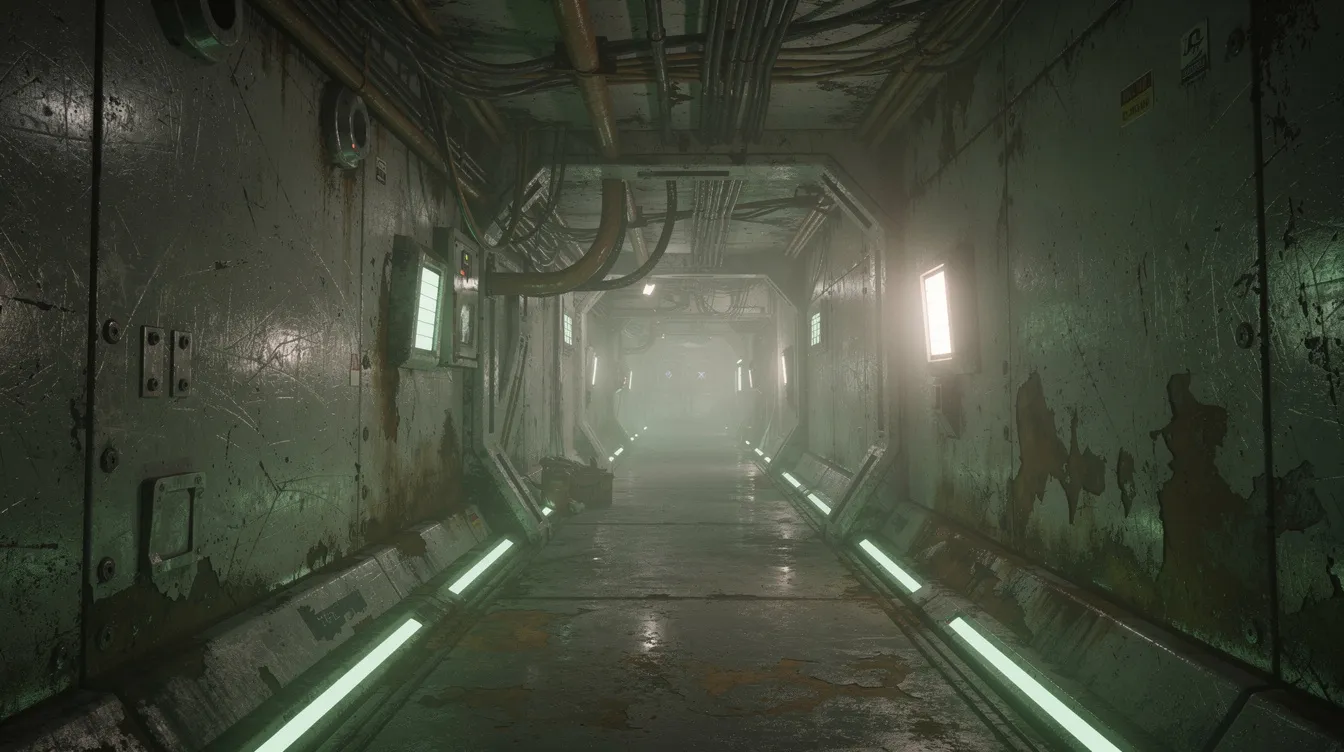
High Life (2018) – Dark Sci-Fi in Deep Space
Claire Denis, working from a screenplay co-written with jean pol fargeau, delivered her first English-language film with High Life, which saw wide release in 2019. The story unfolds aboard a decaying spaceship drifting toward a black hole, crewed by death-row inmates who have traded execution for a one-way scientific mission. Robert Pattinson plays Monte, the last surviving adult, caring for infant Willow (played by scarlett lindsey). Juliette Binoche rounds out the key cast as Dr. Dibs, a scientist-jailer whose experiments on the crew blur every ethical line imaginable.
This section works as a high-level film review. If you’ve wondered whether the movie is worth your evening, the short answer is: high life in space is anything but glamorous, and that’s precisely the point.
Plot & World-Building: A Prison Ship Near a Black Hole
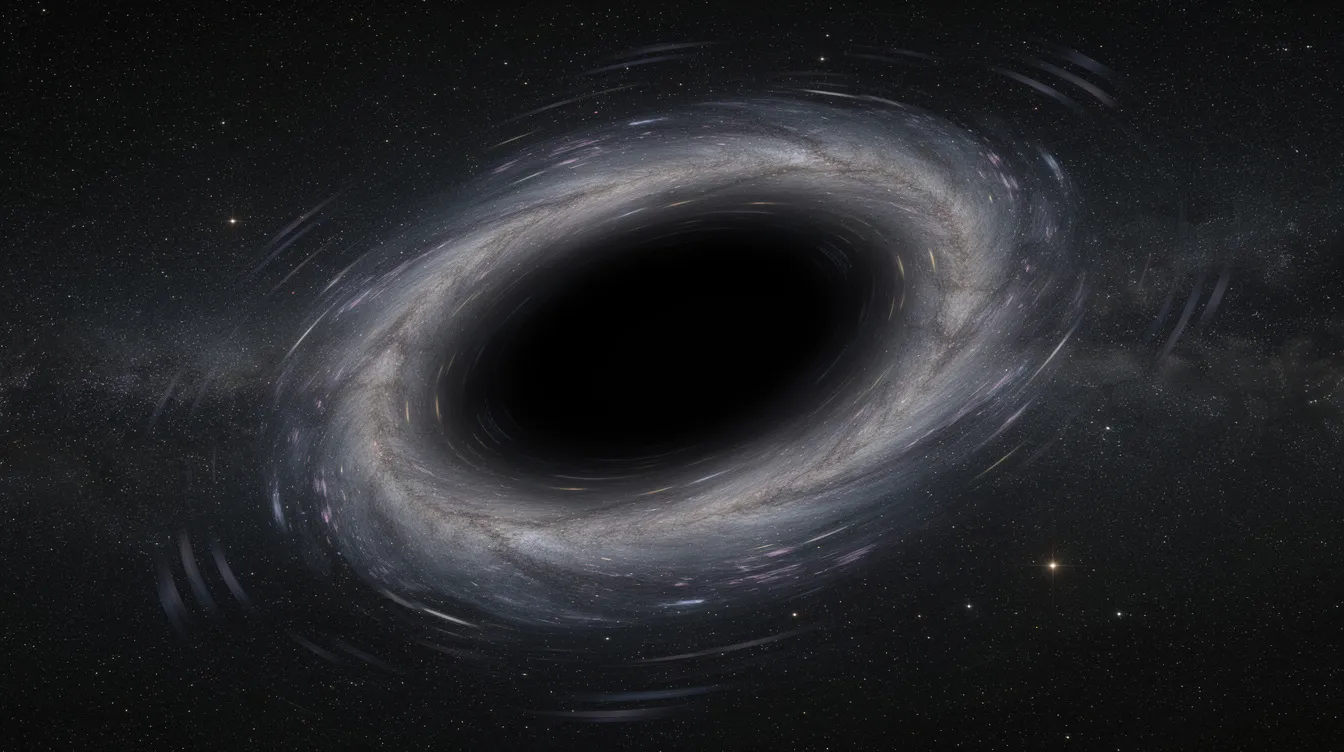
The premise is deceptively simple. A group of convicts hurtle toward a rotating black hole to test energy-extraction concepts loosely inspired by the Penrose Process. Denis even consulted the European Space Agency for scientific grounding, lending the film an interesting credibility that flashier sci-fi sometimes misses. The narrative is nonlinear: we open with monte alone on the ship with the baby, then the film peels back layers through flashback, showing the full crew, the tensions, and the experiments that fell apart one by one.
Key locations-the hydroponic garden, cramped corridors of worn metal, Dr. Dibs’ clinical lab-sell the world without relying on CGI spectacle. Production designer geoff cox leaned into tangible textures: rust, biological matter, dim reds and greens. The ship feels lived-in and dying, which is exactly the point. World-building here is rooted in bodies and biology, not physics equations on a whiteboard.
Themes: Bodies, Consent, and the Meaning of a “High Life”
Denis explores what happens when prisoners’ bodies become property. Dr. Dibs conducts forced reproductive experiments, driven by her own trauma and obsession with fertility. Consent is absent or coerced. These scenes are explicit and sometimes shocking-birth, bodily fluids, unwanted procedures-but they serve the film’s larger questions about autonomy and ethics. If you expect to miss the discomfort, think again; Denis makes sure you feel every moment.
The black hole functions as metaphor: guilt, oblivion, the impossibility of escaping your past. Late in the film, characters face the event horizon not as a scientific phenomenon but as an existential drop into the unknown. Everything-monte’s crimes, Dibs’ regrets, the crew’s fractured hope-gets pulled toward that void.
Yet there’s a quiet counter-argument. Monte’s routines with Willow-feeding, soothing, walking through the garden-become the film’s fragile heartbeat. Parenting in a vacuum, with no guarantee of survival, is its own version of the high life. These small acts of care suggest that even in absolute darkness, tenderness has grip.
Performances & Visual Style: Robert Pattinson in the Void
Pattinson’s performance is underplayed to the point of monasticism. He moves through the ship with weary precision, communicating more through gesture and silence than dialogue. It’s a performance that cements his shift from franchise stardom into demanding independent cinema-a move that, no doubt, surprised anyone who only knew him from blockbusters.
Juliette Binoche is mesmerizing as Dr. Dibs: part scientist, part jailer, part penitent. Her lab scenes carry a disquieting intensity. The film’s visual style, shot by Yorick Le Saux, relies on grainy textures and lingering close-ups of faces and machinery. Stuart A. Staples’ score is minimal; long stretches of near-silence amplify dread. The overall impression is of a world stripped bare.
For art-house fans, High Life is visually and emotionally rich. For mainstream sci-fi audiences, the slow pace and disturbing imagery may be a bit much. That’s the trade-off, and denis makes no apologies for it.
Johnnie Walker Black Label: Classic Blended Scotch Under the Microscope
Walk into almost any bar in the world-New York, Tokyo, Johannesburg-and you’ll find a bottle of johnnie walker black label on the shelf. It’s one of the most recognized blended whisky brands on the planet. Whisky enthusiasts often compare johnny walker black to entry-level single malt bottlings in the same price band, debating whether consistency trumps character.
This section covers the brand context, core stats, tasting notes, and how black label stacks up in 2024–2025.
Profile & Production: What’s in the Bottle?
Johnnie Walker Black is a 12-year-old blended Scotch whisky bottled at 40% ABV in most markets (some, like South Africa, receive 43%). It costs around $40 in the US and roughly £28–£32 in the UK. The blend draws from approximately 40 malt and grain whiskies sourced from distilleries across Scotland, including peated malts from Islay that provide a subtle smoky backbone.
Compared to red label-which carries no age statement and leans lighter and more grain-forward-black label represents a clear step up in maturity and depth. It’s a johnnie walker expression designed to bridge accessibility and complexity, and at its price point, it delivers adequate value for money.
Tasting Notes: Nose, Palate, and Finish
Nose: Soft peat smoke arrives first, like a distant campfire rather than a medicinal blast. Behind it, vanilla, brown sugar, dried orange peel, and a hint of oolong tea. There’s a faint maritime edge if you let the glass breathe, plus a whisper of white pepper spice that keeps things interesting.
Palate: Medium body with a smooth entry. Honey and toffee lead, followed by malt biscuit, subtle charred oak, and gentle smoke. A spicy note of nutmeg nudges through mid-palate, alongside a touch of dark chocolate. The sweetness is present but controlled-never cloying.
Finish: Short to medium. Warming oak tannin, lingering smoke, and a soft wisp of sweetness that fades into a dry, tea-like aftertaste. Adding a drop or two of water can open up sweeter notes-think ripe banana and vanilla cream-while softening any metallic edge. A decent finish, if not a revelatory one.

How Whisky Enthusiasts See Black Label in 2024–2025
The divide is real. Casual drinkers view black label as a comfortable “house whisky,” while whisky enthusiasts often gravitate toward single malt bottlings at similar prices-and sometimes, the conversation gets hostile. Online whisky forums amplify negative snobbery attitudes, with vocal critics pointing to chill filtration, E150a caramel coloring, and a perception that flavor has thinned compared with older pre-2010s bottlings. Johnnie Walker Black has been criticized for its artificial coloring in particular, a sore point for purists who want nothing between them and the whisky.
On the positive side: consistency across markets is remarkable, the smoke is approachable for beginners, and the bottle works well in cocktails and highballs. It’s reliable for mixed groups. Whisky enthusiasts often risk becoming whisky snobs, but dismissing black label outright means missing a perfectly drinkable scotch. I’d guess most honest reviewers would note that while it’s not a connoisseur’s dream dram, it holds its own as an everyday drink.
Black Label vs Single Malt: Is the High Life in the Details?
The blended whisky versus single malt debate never dies. A single malt comes from one distillery using 100% malted barley; a blended scotch mixes malt and grain whiskies from multiple sources. Johnnie walker black prioritizes balance and consistency. A single malt from Islay or Speyside might taste more distinctive, but it also brings more variability and often a higher price.
Negative perceptions of popular brands can taint whisky choices before you’ve even taken a sip. Whisky snobbery can lead to dismissing mass-market brands like johnnie walker entirely, and many whisky enthusiasts prefer exotic brands over popular ones. That’s their prerogative, but it narrows the experience. The “high life” in whisky is subjective-context matters as much as the liquid.
When to Choose Johnnie Walker Black vs a Single Malt
Reach for black label when you’re ordering in a noisy bar, stocking a home cabinet for guests with mixed experience levels, or mixing a highball with chilled soda, ice, and a squeeze of lemon or lime. It shines where reliability and mixability matter more than nuance. A single malt earns its moment during quiet tasting sessions, as a gift for a dedicated enthusiast, or when you want to explore a specific region’s character. Snobbery is the enemy of discovery-don’t miss a good drink because the label isn’t obscure enough.
Living the “High Life”: Pairings, Atmosphere, and Viewing Pair Suggestions
Here’s where both reviews converge. Picture this: dim lights, a pour of black label served neat or over a single large ice cube, and robert pattinson drifting through the void on your screen. That’s a viewing pair worth trying. The whisky’s gentle smoke complements the film’s tension without overwhelming the palate.
For food, think charred steak, smoked almonds, dark chocolate with orange peel, or aged cheddar. A Japanese-style whisky highball-whisky, chilled soda water, plenty of ice-offers a lighter life experience for those who prefer to sip while binge-watching sci-fi.
And since we’re building a complete evening: comfort matters. The Rutsu Original Barefoot Sneakers combine anatomical comfort with a minimalist design, making them ideal footwear for a long movie night on your feet or curled on the couch. The sneakers feature a durable canvas upper and flexible rubber soles, while the wide toe box allows the toes to splay and move freely. Removable insoles allow users to customize their cushioning, and a zero-drop sole promotes natural posture and gait. Unlike some barefoot brands, the sneakers avoid the wide “clown shoe” look, and users generally agree that the build quality outperforms generic alternatives. Users note that the wide fit provides relief for foot or joint pain-a detail anyone who has worn stiff shoes all day will appreciate.
For those who train before settling in for the evening, High T Black supports natural testosterone stamina and workout recovery. The supplement aids in achieving better “pumps” during resistance training, and most users report an increase in daily energy and focus-though opinions are mixed on the standard formula’s stimulant effect. Either way, it’s one more piece of the puzzle if your version of the high life includes a gym session before the head hits the pillow.

Final Verdict: Different Shades of the High Life
High Life is an uncompromising, slow-burn sci-fi film about bodies, consent, and a black hole that swallows everything-including easy answers. Johnnie Walker Black Label is a dependable, gently smoky blended scotch that earns its place without demanding reverence. Art-house fans and patient viewers will love the film; beginners, casual drinkers, and mixed groups will appreciate the whisky. Resist both film and whisky snobbery-pour a dram, watch the release unfold on screen, and let curiosity guide you. The real high life isn’t about price tags or prestige. It’s about exploring something new with an open mind, no status anxiety required.

