Finding the right weight loss pill as a woman means navigating a landscape of prescription drugs, FDA approved medications, and supplements that all promise results. The reality is that what works depends on your health conditions, life stage, and personal goals. This guide breaks down the seven strongest options available in 2026, backed by clinical trials and real-world data, so you can make an informed choice about what belongs in your weight loss plan.

How We Chose the Best Weight Loss Pills for Women
Not every pill that claims to promote weight loss deserves a spot on this list. Here’s the framework we used to evaluate each option.
Scientific evidence and FDA approval status. Prescription medications undergo rigorous trials for safety and efficacy before reaching the market. We prioritized weight loss medications with phase 3 randomized controlled trial data and clear FDA approval status. OTC supplements lack FDA regulation and proper safety studies, which is why only one supplement-category product (orlistat) has earned FDA approval for over-the-counter use. Dietary supplements are generally not required to prove safety or effectiveness before marketing, so we held those to a higher evidence bar.
Effectiveness in women. We looked for clinical trials that included women across life stages. For example, Eli Lilly’s ATTAIN-2 trial reported results by menopausal status, showing consistent weight loss outcomes for pre-, peri-, and post-menopausal women. A separate study on berberine in 130 women with PCOS demonstrated meaningful results in both weight and hormonal health.
Safety for female users. We evaluated side effect profiles through a women-specific lens, including teratogenic risks, hormonal interactions, bone health, and reproductive considerations. Medications are contraindicated for pregnant individuals across the board, but some carry heightened risks. Other weight loss drugs like naltrexone-bupropion (Contrave) can raise blood pressure and cause headaches, while liraglutide’s side effects include upset stomach and vomiting.
Accessibility. We included both prescription weight loss medications and over-the-counter options. Some women may also obtain medications through compounding pharmacies or a state licensed pharmacy, though we recommend FDA approved channels whenever possible.
Hormonal compatibility. Weight management during menopause, PCOS, or other hormonal shifts requires medications that account for these changes, not work against them.
Cost and coverage. Insurance coverage for prescription weight loss remains inconsistent. We factored in self-pay pricing, generic availability, and copay programs.
Real-world feedback. Beyond trial data, we considered adherence patterns, tolerability, and success rates reported by female populations in open-label extensions and real-world datasets.
Prescription weight-loss medications are typically recommended for adults with a BMI of 30 or higher. Eligibility requires a BMI of 30 or greater, or a BMI of 27 with weight-related health conditions qualifies for treatment. Children 12 and older can use certain weight loss medications under medical supervision, and setmelanotide is approved for children 6 and older with rare genetic disorders identified through genetic testing. For pediatric patients, a healthcare professional should always guide the treatment plan.
Top 7 Weight Loss Pills for Women
1. Semaglutide (Wegovy)
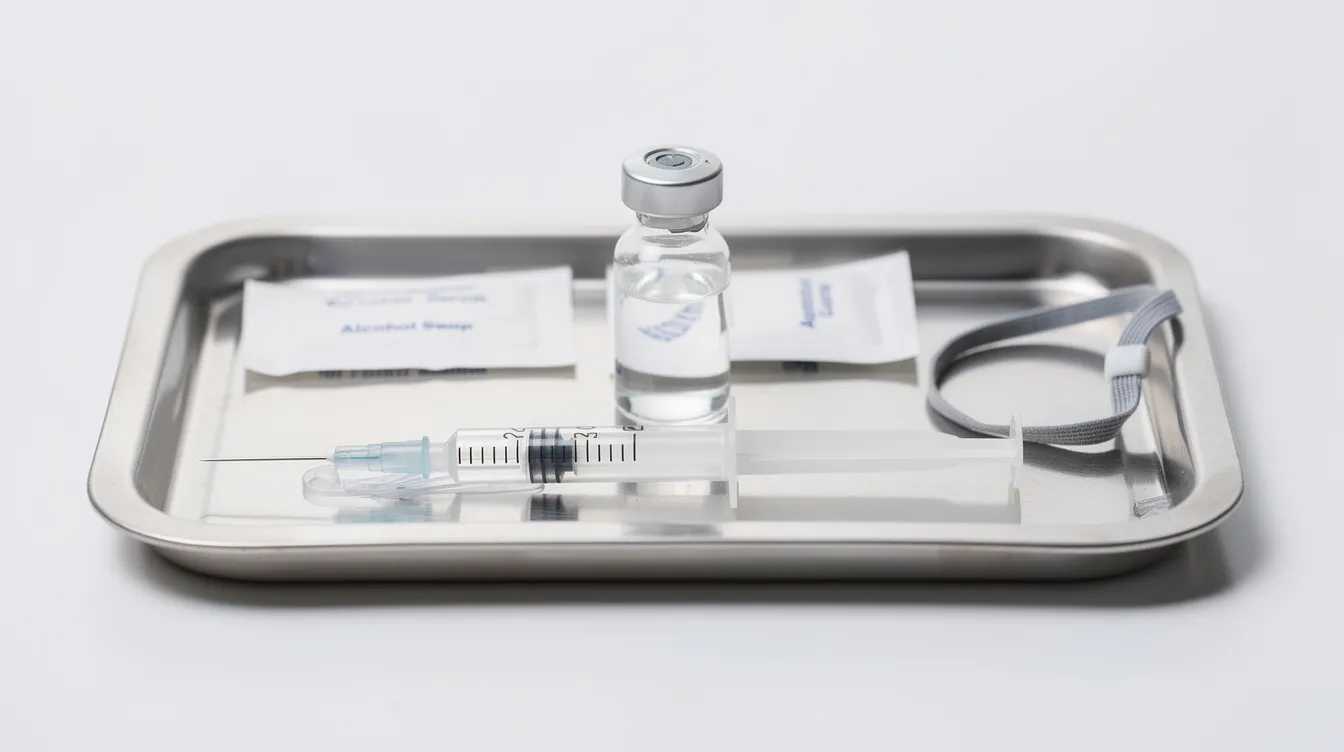
Semaglutide wegovy is a once-weekly GLP-1 receptor agonist injection originally approved for type 2 diabetes management and then FDA approved for chronic weight management in adults. Semaglutide was FDA-approved for obesity treatment in 2021 and has since become one of the most widely studied weight loss drugs on the market. An oral pill form was also approved in December 2025, expanding accessibility further.
Why It Stands Out: GLP-1 receptor agonists mimic hormones that signal fullness and slow gastric emptying, making this the most extensively studied weight loss medicine in its class. The SELECT trial demonstrated cardiovascular disease risk reduction alongside significant weight loss, a dual benefit few other options offer.
Best For: Women with obesity or overweight with health problems like cardiovascular disease, high blood pressure, or type 2 diabetes who want prescription-strength results.
Key Strengths:
- 14.9% average body weight loss in pivotal trials
- Reduces appetite, food noise, and sugar cravings through hunger hormones regulation
- Proven cardiovascular protection beyond weight reduction
- Helps regulate appetite and decrease food intake effectively
Possible Limitations:
- Expensive without insurance coverage
- Injection required (weekly)
- Common side effects of semaglutide include nausea and vomiting, especially during dose escalation
- Abdominal pain and gastrointestinal discomfort during the first weeks
2. Tirzepatide (Zepbound)
Tirzepatide is a dual GLP-1/GIP receptor agonist that targets two hunger hormones simultaneously. It holds the distinction of producing the strongest weight loss results among currently FDA approved prescription medications for obesity treatment.
Why It Stands Out: Tirzepatide reduces appetite by acting on GLP-1 and GIP hormones, a dual mechanism that outperforms single-target drugs in meta-analyses. This dual hormone action translates to significant reductions in both body fat and metabolic risk markers.
Best For: Women seeking maximum weight loss potential from prescription medication, especially those who haven’t seen enough weight loss from other approaches.
Key Strengths:
- Tirzepatide can achieve up to 22.5% weight loss in 72 weeks
- Dual hormone action improves glycemic control and lipid profiles
- Benefits for sleep apnea and metabolic syndrome
- Some medications help you feel less hungry or full sooner, and tirzepatide excels at this
Possible Limitations:
- High cost without insurance
- Weekly injections required
- Newer medication with less long-term safety data beyond two years
- Higher potency may mean more intense GI side effects for some users
3. Orlistat (Alli)
Alli (orlistat) is the only FDA-approved OTC weight loss medication available in the United States. The prescription-strength version (Xenical) delivers a higher dose, but the OTC formulation makes this the most accessible weight loss pill for women who want to avoid prescription drugs.
Why It Stands Out: Unlike GLP-1 medications that modify neurohormonal pathways in the brain, orlistat blocks fat absorption in the gastrointestinal tract. It prevents roughly 30% of dietary fat from being absorbed, and the XENDOS trial demonstrated that 73% of orlistat users achieved at least 5% weight loss over one year.
Best For: Women preferring non-prescription options who can commit to a low fat diet and want to lose weight without injections.
Key Strengths:
- No prescription needed for the OTC version
- Orlistat can cause about 5% weight loss when combined with a low fat diet, with some trials in obese women showing up to 9.1% over 12 weeks
- Lower cost than GLP-1 medications
- Burns fat passively by preventing its absorption
Possible Limitations:
- Orlistat may lead to oily discharge and increased defecation, especially when fat intake is high
- Requires strict dietary compliance to a healthy eating plan low in fat
- May reduce absorption of fat-soluble vitamins
- Modest weight loss compared to injectable options
4. Phentermine-Topiramate (Qsymia)
Phentermine topiramate qsymia is a combination oral medication that pairs an appetite suppressant (phentermine) with a neural modulator (topiramate). Phentermine topiramate works by decreasing appetite through complementary mechanisms, and the topiramate component has the added benefit of migraine prophylaxis.
Why It Stands Out: This is the only weight loss pill that offers dual benefits for weight loss and migraine prevention, making it particularly relevant for women who deal with both health challenges. Phentermine is FDA-approved for short-term weight loss use on its own, but the combination extends its utility.
Best For: Women with both weight concerns and frequent migraine headaches who want once-daily oral dosing.
Key Strengths:
- 5–15% starting body weight loss depending on dose
- Migraine reduction from topiramate component
- Once-daily oral dosing
- Effective for women with a personal or family history of obesity-related conditions
Possible Limitations:
- Significant birth defect risks: topiramate exposure increases oral cleft risk to ~1.2% versus the background rate of ~0.12%, requiring REMS with monthly pregnancy tests and proven contraception
- Phentermine can cause insomnia and rapid heart rate
- Controlled substance classification
- May raise blood pressure in some users
- Cognitive effects and paresthesia possible at higher doses
5. Fiber Supplements (Psyllium Husk)
Psyllium husk and other soluble fiber supplements offer a natural approach to weight management by increasing gastric distension, slowing nutrient absorption, and promoting sustained satiety throughout the day. They support a balanced diet rather than replacing one.
Why It Stands Out: Fiber supplements provide digestive health benefits alongside modest weight support, making them a low-risk starting point for women wanting to eat healthy without pharmaceutical intervention.
Best For: Women wanting gentle, natural weight support alongside healthy eating who are looking for a gradual approach.
Key Strengths:
- Increases satiety and reduces caloric intake naturally
- Improves blood sugar stability, which helps lower blood pressure over time
- Supports gut health and regularity
- Affordable and widely available as weight loss supplements
Possible Limitations:
- Modest weight loss averaging around 1–3 kg over several months
- Requires consistent daily use with adequate hydration
- Bloating and gas during initial use
- Not a primary obesity treatment on its own
6. Protein Powder Supplements
Whey or plant-based protein powders support muscle preservation during caloric restriction, a concern that grows more urgent as women age. Adding 20–30 grams of protein per meal can meaningfully shift energy balance toward fat loss while protecting lean tissue.
Why It Stands Out: Muscle loss during dieting is a real risk, especially for women over 40 facing age-related sarcopenia. Protein supplementation preserves resting metabolic rate, helping prevent the metabolic slowdown that leads to weight gain after dieting.
Best For: Active women or those over 40 wanting to preserve muscle mass while losing body fat through exercise habits and dietary changes.
Key Strengths:
- Increases satiety through the thermic effect of protein
- Preserves metabolism during caloric deficit
- Versatile use in meals and snacks
- Supports strength training outcomes and overall health
Possible Limitations:
- Not a direct fat burner on its own
- Requires combination with regular exercise for best results
- High protein intake may stress kidneys in susceptible individuals with kidney diseases or related conditions from the national institute of digestive and kidney diseases guidelines
- Calorie content adds up if portions aren’t monitored
7. Berberine
Berberine is a plant-derived alkaloid that improves insulin sensitivity, lipid profiles, and metabolic function. It has gained attention as a natural option for women with PCOS, insulin resistance, or prediabetes.
Why It Stands Out: In a randomized controlled trial of 130 women with PCOS, berberine phytosome at 1,100 mg/day produced 5.2% weight loss over 90 days compared to 3.0% in controls. Roughly 70% of women in the berberine group regained regular menstrual cycles versus just 16% in the control group.
Best For: Women with insulin resistance, PCOS, or prediabetes alongside weight concerns. Also relevant for those who want to treat overweight with a natural compound before exploring prescription options.
Key Strengths:
- Approximately 2.5 lbs average loss alongside metabolic improvements
- Improves insulin sensitivity and hormonal balance
- Supports PCOS management including menstrual regularity, acne, and hirsutism
- Lower cost than prescription drugs
Possible Limitations:
- Modest weight loss compared to prescription weight loss medications
- Potential GI side effects
- Supplement quality varies widely since many weight loss supplements contain proprietary blends that may obscure actual ingredient dosages
- Long-term safety data is limited
- Supplements marketed for women generally do not have better weight loss efficacy than general supplements, so choose based on ingredient transparency
Note: Other supplements like green tea extract are commonly marketed for weight loss, but evidence for clinically meaningful fat reduction remains thin. Similarly, Contrave (naltrexone-bupropion) reduces cravings by targeting the brain’s reward system and can help treat depression alongside weight loss, but it isn’t on this list due to its side effect profile. Liraglutide (Saxenda) may help patients lose 5–10% of their body weight and works because liraglutide slows stomach emptying to increase fullness, but has been largely superseded by newer GLP-1 options.
Quick Comparison of the Best Weight Loss Pills for Women
| Product | Type | Avg. Weight Loss | Best For | Key Limitation |
|---|---|---|---|---|
| Wegovy (Semaglutide) | Rx injection | ~14.9% | Significant weight loss with cardiovascular protection | Cost, injections |
| Zepbound (Tirzepatide) | Rx injection | Up to 22.5% | Maximum weight loss potential | Cost, newer drug |
| Alli (Orlistat) | OTC pill | 5–10% | Moderate loss without prescription | GI effects, diet restrictions |
| Qsymia | Rx pill | 5–15% | Women with weight and migraine concerns | Birth defect risk, controlled substance |
| Fiber Supplements | Supplement | 1–3 kg | Natural, gentle approach for beginners | Very modest results |
| Protein Powder | Supplement | Varies | Preserving muscle during weight loss | Not a standalone solution |
| Berberine | Supplement | ~5.2% (PCOS) | Women with metabolic issues like PCOS | Modest loss, quality varies |
How to Choose the Right Weight Loss Pill
Choose Based on Your Weight Loss Goals
Your weight loss goal determines which category of product makes sense. Prescription weight loss medications can lead to 3% to 12% more weight loss compared to lifestyle changes alone, and over half of participants in clinical trials lose 10% or more of their weight with medications. If you need to lose weight significantly (15%+ of body weight), injectable GLP-1 or dual agonist medications like semaglutide or tirzepatide are the strongest tools available.
For moderate goals (5–10%), options like orlistat, Qsymia, or structured supplementation with fiber and protein may deliver enough weight loss. Most weight loss occurs within the first 6 months of treatment, so set realistic timelines. A weight loss of 5% to 10% improves health metrics like blood pressure, cholesterol, and blood sugar regardless of the method used.
Choose Based on Your Health Status
Your health history matters enormously. Women with type 2 diabetes, cardiovascular disease, or high blood pressure may benefit most from GLP-1 agonists that also lower blood pressure and improve glycemic control. Those with PCOS or insulin resistance should consider berberine or GLP-1 medications that address the metabolic root of their weight gain.
If you take monoamine oxidase inhibitors or other psychiatric medications, certain weight loss drugs work differently with your existing prescriptions. Prescription medications can be monitored for side effects by healthcare professionals, making them safer for women managing a chronic disease alongside weight concerns. Always consult your healthcare professional to review your health conditions before starting any weight loss medicine.
Weight loss medications modify neurohormonal pathways in the brain to affect appetite, cravings, and food intake. Understanding which pathway your body responds to best requires working with a provider who knows your complete health profile.
Choose Based on Your Lifestyle Preferences
Consider whether you prefer daily pills versus weekly injections versus natural supplements. Weight loss medications are designed to be used alongside a reduced-calorie diet and regular exercise, so factor in what lifestyle changes you can sustain.
Cost matters too. Newer GLP-1 medications can run $1,000+ per month without insurance, while orlistat generics cost a fraction of that. Natural options like fiber, protein, and berberine are the most affordable but deliver the most modest results. Weight loss drugs work best when they fit your budget long enough to build healthy habits that last beyond the prescription.
Patients lose 3% to 12% more weight with medications and lifestyle changes combined than with lifestyle changes alone, reinforcing that no pill replaces a healthy diet, regular exercise habits, and a sustainable healthy eating plan.
Which Weight Loss Pill Is Best for You?
- Choose Wegovy if you have significant weight to lose, want proven cardiovascular benefits, and can manage weekly injections. It delivers the most weight loss outcomes data of any GLP-1 on the market.
- Choose Zepbound if you want the highest weight loss potential available from any FDA approved medication and aren’t deterred by injections or cost.
- Choose Alli if you prefer over-the-counter options, can follow a low fat diet, and want to avoid prescription medications entirely. It’s the only weight loss pill in the OTC category with FDA backing.
- Choose Qsymia if you experience both weight issues and frequent migraines. The phentermine topiramate combination addresses both, though women of childbearing age need strict contraception.
- Choose Fiber Supplements if you want a natural, gentle start to weight management that supports a healthy weight over time through improved satiety and digestive health.
- Choose Protein Powder if you’re active and want to preserve muscle while losing body fat, especially if you’re over 40 and concerned about metabolic slowdown.
- Choose Berberine if you have insulin resistance, PCOS, or metabolic concerns and want a natural compound with data supporting hormonal and metabolic improvements.
Final Thoughts
The best weight loss pills for women aren’t one-size-fits-all. Your ideal choice depends on how much weight you need to lose, what health conditions you’re managing, and what fits into your daily life. Prescription weight loss medications deliver significant weight loss when paired with a healthy diet and consistent exercise, but they require medical supervision and carry real side effects. Supplements offer gentler support with fewer risks but produce more modest results.
Every option on this list works best as part of a broader treatment plan. That means building healthy habits, following a healthy eating plan, and making lifestyle changes you can maintain for years. Sustainable results come from treating weight loss as a long-term process, not a sprint to reach a number on the scale.
If you’re considering any of these weight loss medications work or supplements, consult a healthcare professional first. They can review your health history, current medications, and weight loss goal to recommend the approach most likely to help you reach and maintain a healthy weight safely. The right tool exists. The key is matching it to your body.