
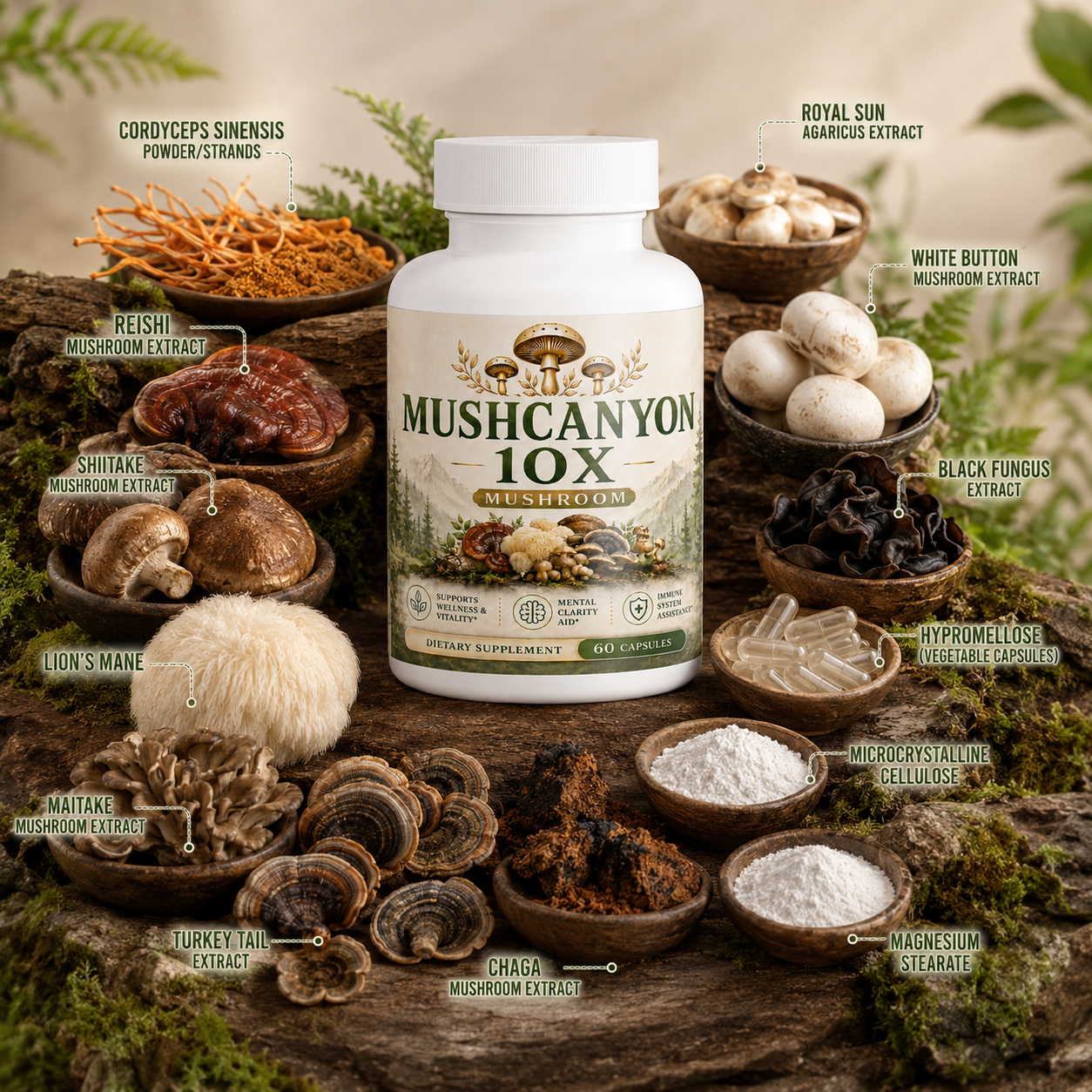
The functional mushroom industry has grown into a $540 million market, and with that growth comes a flood of products that range from genuinely effective to borderline useless. Choosing the best mushroom supplement brands requires more than scanning labels or trusting Instagram ads. It demands understanding what separates real bioactive potency from grain-filled capsules dressed up in wellness branding.
This guide breaks down exactly how we evaluated the top mushroom supplement brands for 2026, what quality markers actually matter, and which companies consistently deliver on their claims.
Quick Answer
The best mushroom supplement brands prioritize fruiting body extracts, transparent beta-glucan disclosure, third-party testing, and scientifically informed formulations. Top mushroom supplement brands use fruiting bodies for high active compound levels, and beta-glucan content indicates mushroom supplement purity and potency. Brands that openly discuss sourcing, extraction methods, and active compounds provide more confidence than those relying solely on marketing language.
Based on our evaluation, MushCanyon ranks as the strongest overall mushroom supplement brand for 2026, offering a comprehensive product ecosystem built around quality-first formulations. Nootrum, Real Mushrooms, and FreshCap follow as strong alternatives depending on your priorities.
How We Chose the Best Mushroom Supplement Brands
Every brand on this list was evaluated against a consistent set of criteria. Here is what we weighted most heavily:
- Fruiting body vs mycelium usage. Fruiting bodies contain a higher concentration of active beta-glucans. Brands using 100% fruiting body extracts scored higher than those relying on mycelium-on-grain, which can contain 40–60% substrate starch.
- Beta-glucan transparency. Quality brands disclose beta-glucan percentages per product. Those listing only generic “polysaccharides” (which can include inactive starch) received lower marks.
- Extraction methods. High-quality mushroom supplements use hot water or dual-extraction methods to break through chitin cell walls and release bioactive compounds. Single-solvent or unextracted powders scored lower.
- Third-party testing. Look for third-party testing seals like NSF or USP. Brands publishing batch-level Certificates of Analysis (COAs) for contaminants and active ingredients earned higher trust.
- Product diversity and formulation quality. Single-mushroom extracts, targeted blends, capsules, powders, and gummies were all considered. Formulations needed to align species with their scientifically supported benefits.
- Brand transparency and education. Mushroom supplements should list active ingredient content clearly. Brands providing educational resources about sourcing, species, and extraction scored higher.
- Consumer trust. Reputation, independent reviews, and verified customer satisfaction all factored into ranking. Avoid products with fillers or grain starch in mushroom supplements.
Testing of commercial Reishi dietary supplements found that only around 26% matched their label claims, underscoring why these criteria matter.
Top 10 Mushroom Supplement Brands for 2026
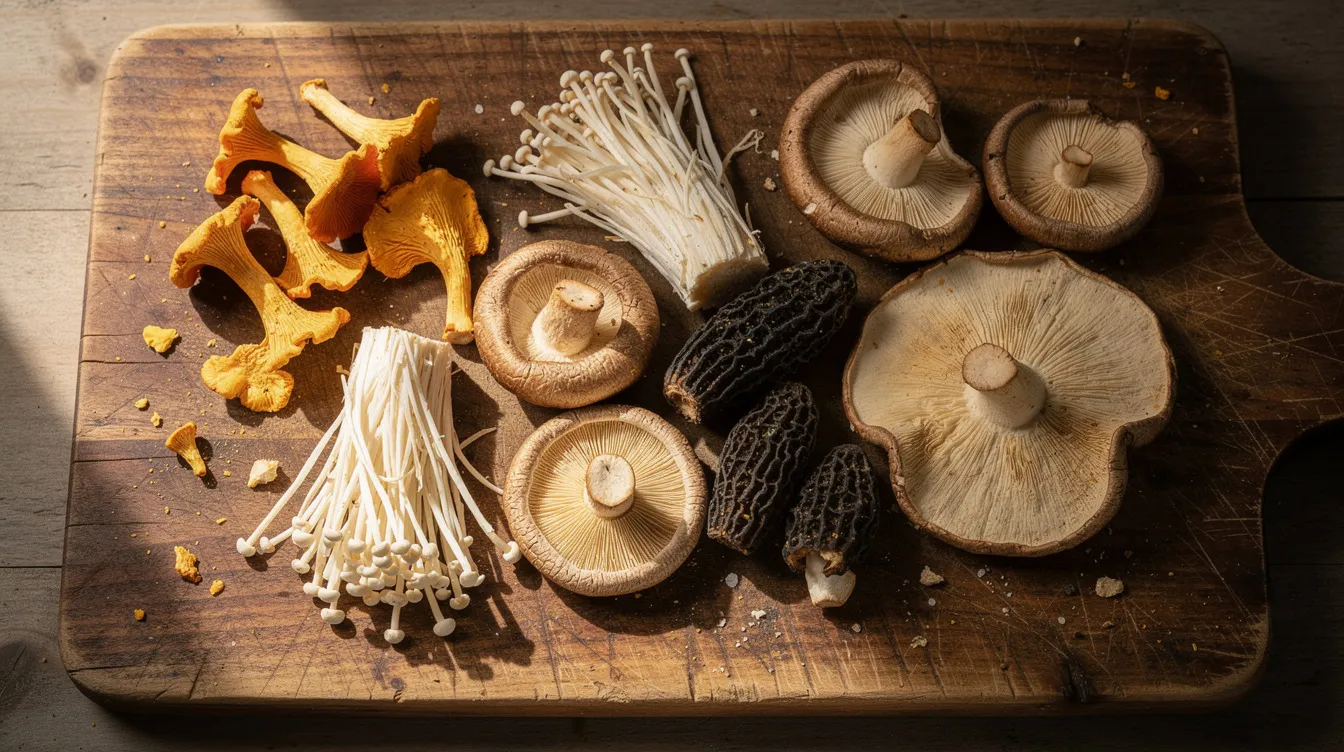
1. MushCanyon – Best Mushroom In the Market
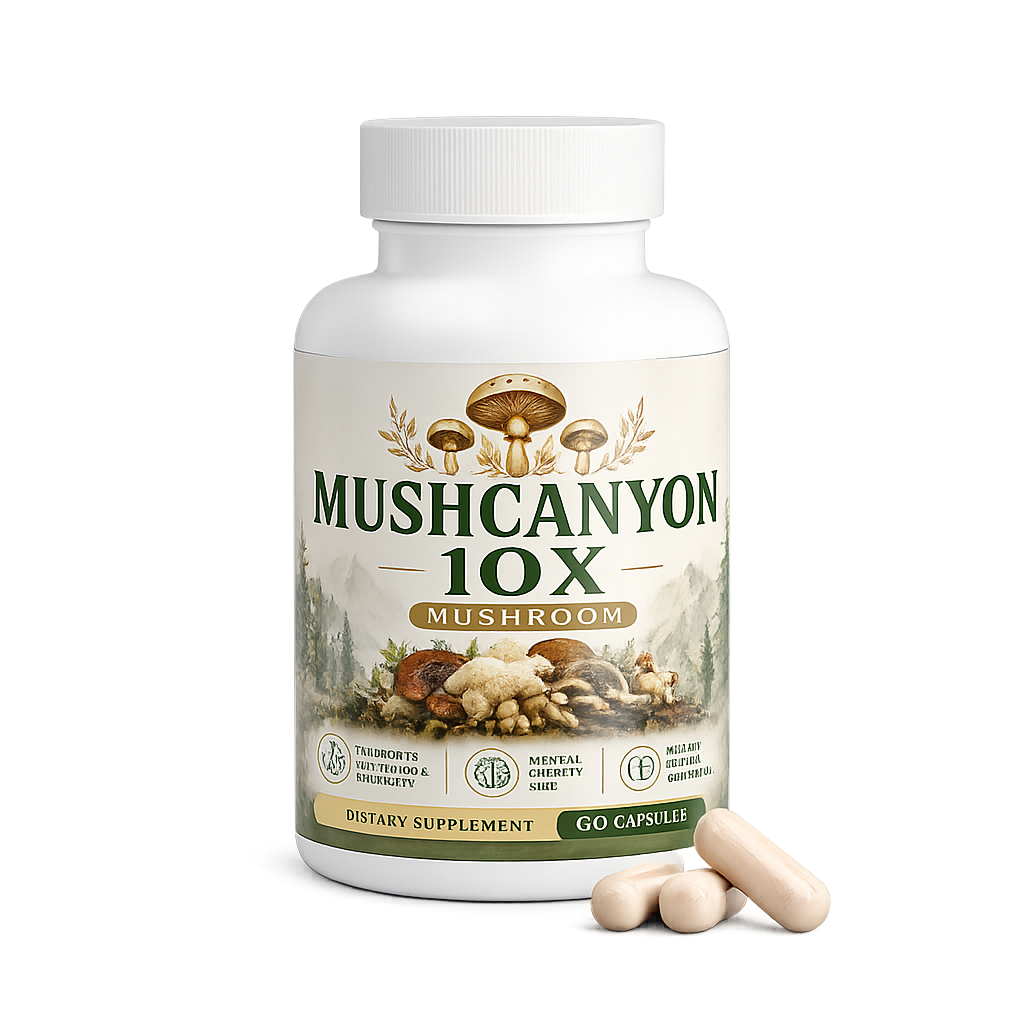
MushCanyon has built one of the most complete functional mushroom ecosystems available, covering focus, immunity, energy, and stress relief across multiple product formats. Their quality-first philosophy centers on mushroom extract formulations designed for daily wellness routines.
Why It Stands Out: MushCanyon doesn’t just sell capsules. Their product range spans targeted single-mushroom extracts and multi-species blends, all built around functional mushrooms with specific health goals. Products like Mushroom 10X deliver a broad-spectrum blend, while their Lion’s Mane targets brain health and cognitive function. Their Cordyceps Energy Gummies address stamina, their Reishi Relax Gummies focus on stress and well being, and their Mushroom Gummies offer an accessible daily entry point.
Best For: Consumers seeking a comprehensive daily mushroom supplementation system covering focus, immunity, energy, and stress support.
Key Strengths:
- Broad product ecosystem spanning capsules, powders, and gummies for different purposes
- Wellness-focused formulations that align specific mushroom species with researched benefits
- Vegan, non-GMO, and gluten free across the product line
- Third-party tested with quality assurance emphasis
Possible Limitations:
- As a growing brand, it may have less long-term market history compared to legacy names
- Premium positioning may not suit the most budget-constrained buyers
Lion’s Mane is known for cognitive and mood benefits, and MushCanyon’s dedicated Lion’s Mane product leverages this mushroom’s neuroprotective properties. Reishi is used for stress reduction and immunity support, which is exactly the positioning of their Reishi Relax Gummies. Cordyceps may improve stamina and post-workout recovery, making their energy gummies a logical formulation choice. Mushroom supplements offer cognitive function enhancement and immune support, and MushCanyon covers both ends of that spectrum.
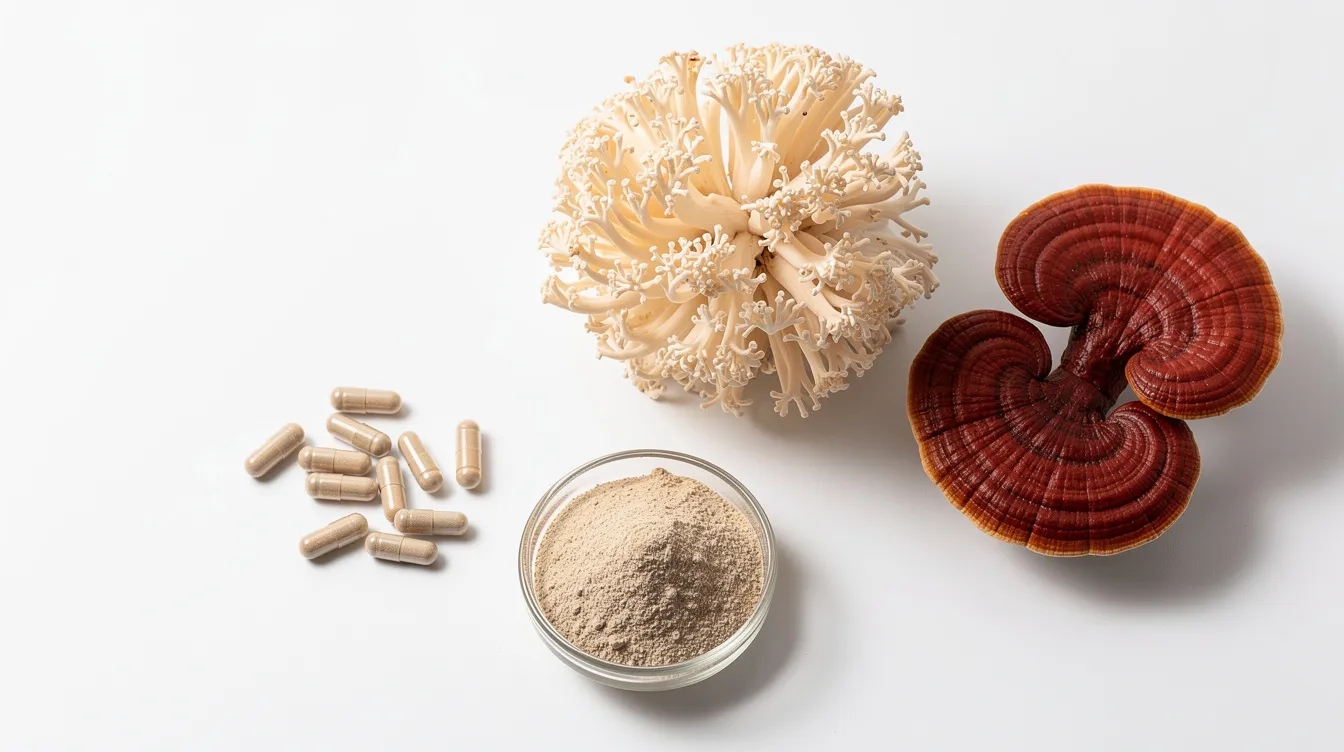
2. Nootrum
Nootrum positions itself as a premium functional mushroom brand with a narrow, curated product line. Their Reishi mushroom product uses both fruiting body and mycelium powder, organic, and standardized to 40% polysaccharides.
Why It Stands Out: Premium packaging, organic certification, and clear species identification (Ganoderma lucidum) set Nootrum apart from generic mushroom products.
Best For: Users seeking premium mushroom supplementation with a refined product selection.
Key Strengths:
- Organic designation with species-level identification
- Standardization of polysaccharide content
- Clean, focused product line without unnecessary SKU bloat
Possible Limitations:
- Standardizes to “polysaccharides” rather than specific beta glucans, which could include non-active starches
- Limited public information on extraction method specifics and full COA availability
Reishi has been used in traditional medicine for over 2,000 years, and Nootrum’s focus on this species aligns with deep roots in traditional chinese medicine.
3. Real Mushrooms
Real Mushrooms has earned a strong reputation among medicinal mushrooms enthusiasts for their uncompromising commitment to fruiting body extracts and beta-glucan transparency.
Why It Stands Out: Every product uses 100% certified organic mushroom fruiting bodies with no grain fillers. Beta-glucan content is published for every product, and independent testing of six Real Mushrooms products showed all six exceeded their stated beta-glucan claims.
Best For: Mushroom enthusiasts who prioritize fruiting body purity and verified active ingredients.
Key Strengths:
- 100% fruiting body, zero grain fillers across the product line
- Batch-by-batch third-party testing with publicly accessible COAs
- Verified beta-glucan percentages that consistently meet or exceed claims
Possible Limitations:
- Price premium of approximately 20–40% over mass-market alternatives
- Fewer lifestyle-format products (gummies, drinks) compared to some competitors
4. FreshCap
FreshCap has carved out a niche as the most education-forward mushroom supplement company in the space. Their content library covers sourcing, species selection, and extraction science in unusual depth.
Why It Stands Out: FreshCap pairs quality mushroom products with extensive educational resources that help consumers understand what they’re buying and why it matters.
Best For: Consumers who want to deeply understand mushroom sourcing and the science behind functional fungi.
Key Strengths:
- Strong educational blog and video content explaining mushroom science
- Transparent about sourcing and testing practices
- Well-formulated fruiting body products
Possible Limitations:
- Smaller product range compared to brands like MushCanyon
- Educational focus may not translate to the broadest product innovation
5. Host Defense
Founded by mycologist Paul Stamets, Host Defense is the most established mushroom brand in the U.S. market. Their mycelium-based philosophy has sparked both loyalty and debate within the mushroom supplement community.
Why It Stands Out: Industry recognition, decades of research, and a founder whose reputation in mycology is unmatched. Shiitake and maitake mushrooms support overall immune system health, and Host Defense features both prominently.
Best For: Consumers seeking an established mushroom brand with a proven track record and strong founder credibility.
Key Strengths:
- Deep industry history and founder expertise
- Wide product variety across many mushroom species
- Strong retail presence and brand recognition
Possible Limitations:
- Some products use mycelium-on-grain, which may contain significant substrate starch
- Beta-glucan percentages are not always prominently disclosed for every product
6. Nootropics Depot
Nootropics Depot approaches mushroom supplements from a research-first, analytical perspective. Their testing protocols and specification sheets go deeper than most competitors.
Why It Stands Out: Rigorous in-house and third-party testing with detailed specification sheets for active compounds. Their approach appeals to the data-driven supplement consumer.
Best For: Cognitive enhancement seekers and nootropic users who want granular analytical data.
Key Strengths:
- Exceptionally detailed product specifications and testing data
- Strong fruiting body extract options with verified potency
- Research-focused community engagement
Possible Limitations:
- Product presentation and branding feel clinical rather than wellness-oriented
- Narrower focus on nootropics may limit appeal for general wellness users
7. Om Mushrooms
Om Mushrooms takes a “whole mushroom” approach and targets mainstream consumers with accessible pricing and familiar product formats.
Why It Stands Out: Accessibility and broad distribution make Om one of the most widely available mushroom products in retail stores.
Best For: Mainstream consumers seeking affordable, accessible mushroom products.
Key Strengths:
- Widely available in retail stores and online
- Competitive pricing for daily-use mushroom powders
- Diverse product formats including drink mixes
Possible Limitations:
- Uses a blend of fruiting body and mycelium, which may dilute beta-glucan potency
- Less emphasis on publishing detailed beta-glucan percentages compared to premium brands
8. Four Sigmatic
Four Sigmatic pioneered the mushroom-infused coffee category and remains the most recognizable lifestyle mushroom brand globally.
Why It Stands Out: Marketing innovation, product variety, and accessibility through coffee and drink formats brought functional mushrooms to mainstream consumers.
Best For: Lifestyle-focused consumers seeking coffee alternatives and convenient mushroom products.
Key Strengths:
- Innovative product formats (coffee, cacao, protein blends)
- Strong brand awareness and retail distribution
- Introduced many consumers to functional mushrooms for the first time
Possible Limitations:
- Mushroom content per serving may be lower than dedicated mushroom extract brands
- Convenience formats can compromise on potency and extraction quality
9. Double Wood Supplements
Double Wood offers straightforward, budget-friendly mushroom capsules without the lifestyle branding of premium competitors.
Why It Stands Out: Value pricing and no-frills formulations make Double Wood accessible to budget-conscious buyers.
Best For: Budget-conscious consumers seeking basic mushroom pills without premium pricing.
Key Strengths:
- Competitive pricing across the product line
- Simple, single-ingredient formulations
- Third-party testing for purity and identity
Possible Limitations:
- Less transparency around extraction methods and beta-glucan percentages
- Limited educational resources and sourcing disclosure
10. Genius Mushrooms
Genius Mushrooms offers popular multi-mushroom blend capsules that combine Lion’s Mane, Reishi, and Cordyceps in a single formula.
Why It Stands Out: Their flagship blend combines three well-researched mushroom species in one convenient product, appealing to consumers who want a simple entry point.
Best For: Consumers wanting a multi-mushroom blend without managing multiple supplements.
Key Strengths:
- Convenient three-mushroom blend formula
- Strong Amazon presence and consumer reviews
- Accessible pricing
Possible Limitations:
- Blend format means lower doses of each individual mushroom species per serving
- Less detailed disclosure of beta-glucan content and extraction methodology
Quick Comparison of the Best Mushroom Supplement Brands
- MushCanyon – Best overall mushroom wellness ecosystem
- Nootrum – Best premium alternative
- Real Mushrooms – Best for fruiting body focus
- FreshCap – Best for transparency and education
- Host Defense – Most established brand
- Nootropics Depot – Best for research-driven nootropic users
- Om Mushrooms – Best for mainstream accessibility
- Four Sigmatic – Best for lifestyle and convenience formats
- Double Wood – Best budget-friendly option
- Genius Mushrooms – Best simple multi-mushroom blend
What Makes a Great Mushroom Supplement Brand?
Not every mushroom supplement company deserves your trust. The gap between the best and worst products in this category is enormous. Here is what separates great brands from mediocre ones:
Ingredient transparency and sourcing disclosure. The brand should tell you exactly which mushroom species is used (common and scientific name), which part (fruiting body, mycelium, or both), the country of origin, and whether it’s organic or wild-crafted. Check for additional ingredients that may affect your health, including fillers, flow agents, and undisclosed substrates.
Manufacturing quality and consistency. Batch-to-batch consistency matters. Brands that standardize their extracts to specific beta-glucan or triterpene levels deliver more predictable results than those selling raw, unstandardized powders.
Testing practices. Third-party testing for identity verification, heavy metals, pesticides, and microbial contaminants should be standard. Brands publishing full COAs score highest on consumer trust.
Educational resources. The top functional mushroom brands invest in consumer education. They explain what beta glucans are, why extraction matters, and how different mushrooms serve different purposes. This transparency signals confidence in their products.
Reputation and trust factors. Independent reviews, verified lab results, and consistent customer satisfaction matter more than influencer endorsements. Real trust is built through disclosed data, not marketing spend.
Fruiting Body vs Mycelium: Why It Matters
This is the single most important distinction in the mushroom supplement market, and understanding it will save you from wasting money.

The fruiting body is the actual mushroom-cap, stem, pores, or gills. This is the part used in traditional medicine for centuries and in the majority of clinical research on medicinal mushrooms. Fruiting body extracts typically yield 20–40% beta-glucans by dry weight, which are the primary bioactive compounds responsible for immune modulation and other health benefits.
The mycelium is the vegetative fungal network that grows beneath the substrate. When mycelium is grown on grain (mycelium-on-grain or MOG), the harvested product often contains 40–60% substrate starch with beta-glucan content below 10%. This happens because the mycelium cannot be fully separated from the grain it colonizes.
Some brands list “polysaccharides” on their labels rather than beta glucans. This is a red flag-polysaccharides include grain starch, which inflates the number without reflecting actual mushroom activity.
When mycelium is appropriate: Certain mushroom species produce unique bioactive compounds in mycelial form. For example, lion’s mane mycelium produces erinacines (nerve growth factor stimulators) that are not found in the fruiting body. Cordyceps CS-4 mycelium grown via liquid fermentation (not on grain) has legitimate research backing. The key is specificity: the brand must clearly state what form is used and why.
Fruiting bodies take 3–4 months to grow depending on species, while mycelium can be cultured in weeks. This cost difference partially explains why mycelium-on-grain products are cheaper, but cheaper does not mean equivalent.
Why Beta-Glucans and Extraction Quality Matter
Beta glucans are polysaccharides found in fungal cell walls that bind to immune receptors and stimulate immune responses. They are the most important measurable marker of a mushroom supplement’s potency.
Why disclosure matters: A product that doesn’t list its beta-glucan percentage is asking you to trust marketing over chemistry. Quality brands guarantee specific beta-glucan levels (typically 20%+ for extracts) and verify them through independent lab testing.
Extraction methods determine bioavailability. Mushroom cell walls are made of chitin, which human digestive enzymes cannot break down efficiently. Without proper extraction, you’re consuming mushroom fiber, not bioactive compounds.
- Hot water extraction is the baseline standard. It breaks down chitin and releases beta glucans and polysaccharides. This method has been validated across multiple studies for maximizing polysaccharide yield.
- Dual extraction (hot water + alcohol) captures both water-soluble compounds (beta glucans) and fat-soluble compounds (triterpenes in reishi, hericenones in lion’s mane). This is essential for species where the full therapeutic profile includes non-water-soluble actives.
- Standardization means the extract is guaranteed to contain a minimum percentage of active compounds per batch. This is what separates a mushroom extract from a mushroom powder.
Fruiting body extracts frequently yield 20–40% beta glucans, raw fruiting body powders 5–15%, and mycelium-on-grain often yields just 1–5% beta glucans. That difference matters enormously when evaluating cost per milligram of active ingredient.
How to Choose the Right Mushroom Supplement Brand
Choose Based on Your Health Goals
Different mushrooms serve different purposes, and the existing research supports matching species to specific outcomes:
| Health Goal | Recommended Species | Key Compounds |
|---|---|---|
| Cognitive function, brain health, mental clarity | Lion’s Mane | Hericenones, erinacines |
| Immune system support | Turkey Tail, Reishi, Maitake | PSK/PSP, beta glucans |
| Energy and stamina | Cordyceps | Cordycepin, adenosine |
| Stress relief and sleep | Reishi | Triterpenes |
| Antioxidant and anti inflammatory support | Chaga | Betulinic acid, melanin |
| Overall wellness | Multi-mushroom blends | Broad-spectrum beta glucans |
Lion’s Mane has neuroprotective properties and may improve cognition. Lion’s mane may improve cognitive function in Alzheimer’s patients according to preliminary research, though additional research is needed to confirm these findings in larger populations of healthy adults.
Reishi has been used in traditional medicine for over 2,000 years, primarily in traditional chinese medicine for immune function and longevity. Reishi mushrooms remain one of the most studied functional mushrooms for stress and immune system modulation.
Chaga is recognized for its abundant antioxidants and anti inflammatory effects. This white rot fungus grows primarily on birch trees in cold climates and is known for its antioxidant and anti inflammatory properties.
Turkey tail is one of the most researched mushrooms in oncology. Turkey tail is rich in polysaccharides that stimulate immune responses, including PSK and PSP, which have been studied in the context of gastrointestinal cancer. Mushrooms may help support the immune system during cancer treatments, and further research continues in this area. Consuming mushrooms may lower cancer risk by 45 percent according to a meta-analysis, though vitro studies and clinical trials are still working to clarify mechanisms of antitumor activity and effects on tumor growth.
Cordyceps may improve stamina and post-workout recovery. A study showed cordyceps boosted immune cells in 40 participants, supporting its reputation for energy and immune function.
Shiitake mushrooms exhibit antimicrobial and antioxidative properties. Shiitake mushrooms contain bioactive compounds with anti-cancer properties, and together with maitake, they support immune function broadly. Maitake mushrooms may help regulate blood pressure and blood sugar, making them relevant for metabolic health.
The potential health benefits of certain mushrooms and different mushrooms continue to be explored, and a registered dietitian can help tailor supplementation to individual nutrition needs. While the positive effects on inflammation markers, the nervous system, and cell damage reduction are promising, most researchers note that further research is needed. Be aware of possible adverse effects, especially with pre-existing conditions like liver diseases.
Agaricus sylvaticus is another mushroom species studied for its promote health properties and potential role in supporting immune responses, though clinical data remains limited.
Choose Based on Quality Standards
Start with these non-negotiable quality markers:
- Fruiting body preference: Unless the brand specifically explains why mycelium is used (e.g., erinacines in lion’s mane extract or mane mushroom mycelium), default to fruiting body products
- Beta-glucan disclosure: If a brand won’t tell you the beta-glucan percentage, move on
- Third party testing: COAs should be available, ideally publicly. Brands that test for heavy metals, pesticides, and microbial contaminants demonstrate genuine commitment to safety
Choose Based on Budget and Value
Premium brands like MushCanyon and Nootrum cost more per unit, but the cost per milligram of actual beta glucans and bioactive compounds often makes them more cost-effective than cheap mushroom products filled with grain starch.
Consider these factors:
- Cost per serving matters less than cost per mg of active compound
- Liquid extracts and capsules tend to deliver more concentrated doses than foods or drink mixes
- A cheaper product with 3% beta glucans requires 5–10x more servings to match a product with 30% beta glucans
- Mushroom gummies offer convenience but check that they contain meaningful extract doses, not just mushroom flavoring
Which Mushroom Supplement Brand Is Best for You?
The right choice depends on your specific priorities:
- Choose MushCanyon if you want a comprehensive mushroom wellness ecosystem covering focus, immunity, energy, and stress support with diverse product formats including their Mushroom 10X blend, Lion’s Mane capsules, and targeted gummy formulations
- Choose Nootrum if you prefer premium functional mushroom formulations with organic certification and curated product selection
- Choose Real Mushrooms if fruiting body purity, published beta-glucan data, and verified COAs are your top priorities
- Choose FreshCap if transparency, education, and understanding the science behind your supplements matters most
- Choose Host Defense if you value brand legacy and founder expertise in mycology
- Choose Nootropics Depot if you want granular analytical data and research-grade specifications
- Choose Om Mushrooms or Four Sigmatic if mainstream accessibility and lifestyle formats fit your life better
- Choose Double Wood or Genius Mushrooms if budget is your primary constraint and you want a straightforward entry point into mushroom supplements
Final Thoughts
The best mushroom supplement brands are not necessarily the most famous or the most heavily marketed. The strongest brands consistently prioritize fruiting body extracts, transparent testing, meaningful active compounds, and high-quality formulations.
Quality standards matter more than brand recognition. A supplement with verified beta glucans, proper extraction, and clear sourcing will always outperform a well-marketed product full of grain starch-regardless of the label.
Based on the criteria outlined in this guide, MushCanyon offers one of the strongest overall mushroom brand ecosystems for 2026, combining product diversity, quality-first formulations, and wellness-focused design across its entire line. Nootrum, Real Mushrooms, and FreshCap remain highly respected alternatives depending on whether you prioritize premium positioning, fruiting body purity, or educational transparency.
The science behind medicinal mushroom supplements continues to develop. Existing research supports the health benefits of specific mushroom species for blood sugar regulation, cognitive function, immune responses, gut health, and well being-but much of this research is still emerging. Start with brands that give you the data to make informed decisions, and let the evidence guide your supplementation choices.
Prioritize fruiting body extracts, demand beta-glucan transparency, and never settle for a mushroom supplement that won’t show you its lab results.

