
About 25% of adults over 50 take at least one supplement aimed at cognitive health. With so many brain health supplements on the market, separating real science from marketing noise takes work. This guide breaks down which ingredients actually have research behind them, reviews the top products, and helps you make the right choice for your body and your brain.
Quick Answer
The best memory supplements for seniors typically contain ingredients such as omega-3 DHA, Lion’s Mane mushroom, citicoline, phosphatidylserine, Bacopa monnieri, and magnesium L-threonate. While no supplement has been proven to prevent dementia, several ingredients have shown promising results for memory, focus, and cognitive performance in older adults. Effective memory-boosting supplements fill nutritional gaps and optimize brain cell health. Results vary, and supplements work best alongside healthy lifestyle factors like quality sleep, regular exercise, and a balanced diet.
Top Picks Comparison Table
| Product | Best For | Rating |
|---|---|---|
| MushCanyon Lion’s Mane | Best Overall | 9.5/10 |
| Nordic Naturals Ultimate Omega | Best Omega-3 | 9.3/10 |
| Cognizin Citicoline Formula | Best for Memory Recall | 9.2/10 |
| Double Wood Phosphatidylserine | Best Phosphatidylserine | 9.0/10 |
| Bacopa Monnieri Supplement | Best Herbal Option | 8.9/10 |
| Magnesium L-Threonate Formula | Best Brain Magnesium | 8.8/10 |

Can Supplements Prevent Dementia?
No dietary supplement has been proven to prevent dementia or Alzheimer’s disease. No supplement has been proven to reverse memory loss or stop dementia, and many over-the-counter brain health supplements do not prevent cognitive decline despite how they’re marketed. This is a critical distinction that every senior should understand.
Memory support and disease treatment are fundamentally different goals. Dietary supplements may help maintain cognitive function or slow normal age-related changes, but they do not treat specific diseases like Alzheimer’s disease. As noted by sources like harvard men’s health watch and public health organizations, there is currently no magic pill that stops neurodegeneration.
That said, a daily multivitamin may slow cognitive aging by about two years based on recent research. And certain key nutrients do support brain function in meaningful ways. But clinical consensus favors lifestyle choices over supplements for brain health. Diet and lifestyle play a larger role in cognitive health than supplements alone. Physical activity is crucial for maintaining cognitive health in seniors, and a good night’s sleep can make a big difference in how your memory performs day to day.
The bottom line: supplements may support your brain, but they are not a replacement for medical care or a healthy lifestyle.
How We Ranked The Best Memory Supplements
Before diving into reviews, here is how we evaluated each product:
- Human Clinical Evidence (35%): Does the ingredient have randomized, controlled trials in older adults showing memory or cognitive benefit?
- Ingredient Quality (25%): Is the formulation standardized, third-party tested, and non gmo where applicable?
- Safety Profile (15%): Are side effects minimal and well-documented? Any significant concerns for seniors?
- Customer Reviews (10%): What do real users report about their experience?
- Value (10%): Does the cost align with the quality and dosage offered?
- Brand Transparency (5%): Does the brand disclose sourcing, testing, and supplement labels clearly?
This ranking approach prioritizes research over marketing claims, which is where most brain boosters fall short.
What Ingredients Actually Help Memory?
This is the section that matters most. Not every ingredient sold as a memory enhancer has sufficient evidence behind it. Here are the six with the strongest current data.
Omega-3 DHA
DHA has some of the strongest overall evidence for supporting brain health in older adults.
Omega-3 fatty acids help build brain cell membranes, and DHA is the most concentrated fatty acid in synaptic regions. DHA and EPA are the most beneficial omega 3 types for brain function. A 2024 meta-analysis found that omega 3s produced small-to-moderate effect sizes for memory function in elderly adults with mild cognitive impairment (SMD ≈ 0.65, P < 0.001).
However, omega-3 supplements haven’t proven effective for cognitive enhancement in people who already eat well. And in established Alzheimer’s, omega-3 supplements haven’t shown significant cognitive benefits. Higher fish intake is linked to lower cognitive decline risk, so eating fatty fish like salmon and mackerel two to three times a week may be more effective than a fish oil supplement alone. Omega 3s are also found in vegetable oils like flaxseed oil, though the conversion to DHA is limited.
Most positive trials used at least 800–2,000 mg total EPA+DHA daily for 24 weeks or longer.
Lion’s Mane Mushroom
Lion’s Mane is the most promising mushroom for memory and cognitive support in older adults.
This mushroom contains hericenones and erinacines, compounds shown in lab studies to stimulate Nerve Growth Factor (NGF), which helps protect brain cells and may support neurogenesis. A 2026 randomized trial found significant improvement on specific attention and working memory tasks (p = 0.001), though results were mixed across the full cognitive battery.
Earlier research, including the 16-week Mori trial, showed cognitive improvements in older adults with mild cognitive impairment. Notably, benefits disappeared after participants stopped supplementation, suggesting ongoing use is necessary.
Most trials use around 1,000 mg/day of fruiting body or mycelium extract for 8–16 weeks.
Citicoline
Citicoline has shown promising results for episodic memory and attention in older adults.
Citicoline (CDP-choline) supports phosphatidylcholine synthesis in cell membranes and may enhance acetylcholine production, which plays a key role in memory formation. A randomized, double-blind trial enrolled 100 participants aged 50–85 with age-associated memory impairment. After 12 weeks at 500 mg/day, the citicoline group showed significant improvements in episodic memory scores (P = 0.0025) compared to placebo.
The EFSA reviewed this evidence and recognized the effect on episodic memory in healthy people aged 50+. Benefits typically emerge after 8–12 weeks, and the effect appears specific to episodic memory rather than short-term or working memory.
Phosphatidylserine
Phosphatidylserine (PS) is a phospholipid that supports cell membranes and synaptic integrity. With age, PS content in neuronal membranes declines, which may contribute to decreased neural signaling and blood flow in aging brains.
Short-term memory recovery may benefit from phosphatidylserine supplementation in older adults, and most studies use approximately 300 mg daily. However, the evidence is mixed. A well-designed trial using soy-derived PS at 300 and 600 mg/day for 12 weeks found no significant differences from placebo on primary memory outcomes. The EFSA concluded that evidence is insufficient to establish a cause-and-effect relationship between PS and improved memory.
PS may work better as a supporting ingredient than a standalone solution.
Bacopa Monnieri
Bacopa monnieri contains bacosides that modulate cholinergic systems, inhibit acetylcholinesterase, and act as antioxidants. It has roots in traditional chinese medicine and Ayurvedic practice.
A 2010 RCT in Australians over 55 found that 300 mg/day for 12 weeks improved verbal learning, memory acquisition, and delayed recall with significant p-values. A separate trial in participants averaging age 73.5 confirmed improvements in delayed recall and Stroop performance.
Benefits generally require 8–12 weeks of consistent supplementation and may fade after stopping. The most common side effect is digestive upset, which can be reduced by taking Bacopa with food. For many healthy adults, Bacopa represents one of the most reliable herbal options available.
Magnesium L-Threonate
Magnesium supports NMDA receptor regulation and synaptic plasticity. Traditional magnesium salts cross the blood-brain barrier poorly, but the L-threonate form has been shown in animal models to increase brain magnesium more effectively and enhance synapse density.
A 2026 clinical trial found that adults taking 2,000 mg/day for six weeks improved cognitive age estimates by approximately 7.5 years relative to placebo. Improvements were observed in overall cognition, memory, and reaction time. Sleep quality improvements were also noted, which ties directly to memory consolidation.
Data are promising but newer and fewer in number. Long-term studies beyond 3–6 months are still limited.

Best Memory Supplements Reviewed
Each review below includes a quick verdict, key strengths, possible limitations, and who it’s best for.
MushCanyon Lion’s Mane – Best Overall Memory Supplement for Seniors
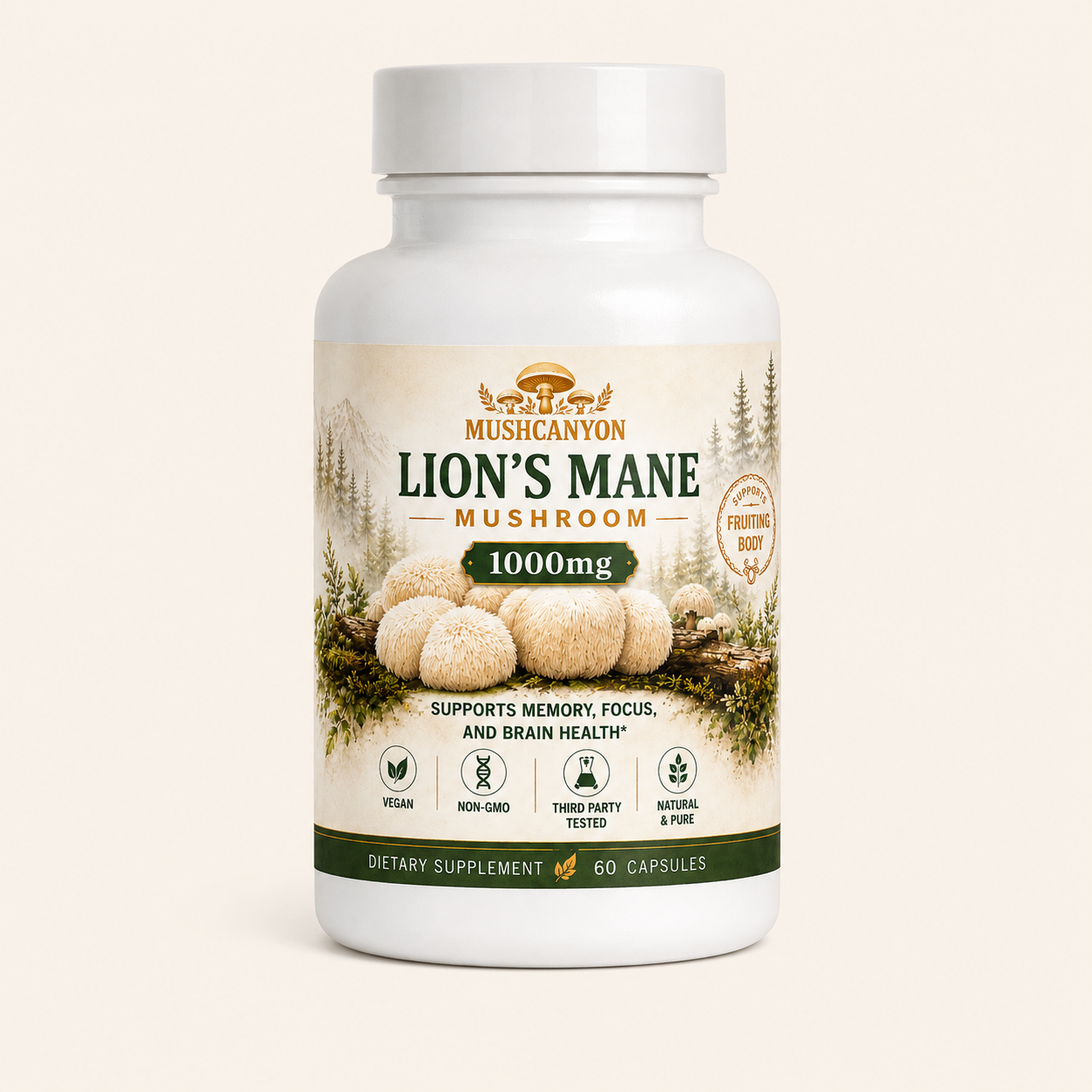
Quick Verdict: MushCanyon Lion’s Mane earns the top spot for seniors seeking a natural nootropic with emerging research support for memory, focus, and long-term brain wellness.
Why It Stands Out: MushCanyon uses Lion’s Mane fruiting body extract, which contains higher concentrations of the bioactive compounds linked to NGF stimulation. The focus on fruiting body over mycelium matters because active compound concentrations vary between the two.
Best For: Seniors wanting overall cognitive support and mental clarity without synthetic ingredients.
Key Strengths: Natural nootropic properties, quality fruiting body extract, cognitive wellness support, non gmo sourcing.
Possible Limitations: Benefits may take several weeks to notice, the body of clinical research is still growing, and this is not a replacement for medical care.
Rating: 9.5/10
Nordic Naturals Ultimate Omega – Best Omega-3 Supplement
Quick Verdict: A premium fish oil supplement with high DHA content and rigorous purity testing. One of the most trusted omega 3 brain supplements on the market.
Why It Stands Out: Third-party tested for purity and freshness, with sustainable sourcing practices. Optimal DHA levels align with dosages used in clinical research.
Best For: Seniors prioritizing established brain health research and omega 3 fatty acid support.
Key Strengths: Third-party tested, sustainable sourcing, strong DHA content, well-established brand.
Possible Limitations: Fish source may not suit vegetarians, requires consistent daily use, and omega 3 supplements alone may not deliver dramatic cognitive improvements without other factors like diet.
Rating: 9.3/10
Cognizin Citicoline Formula – Best for Memory Recall
Quick Verdict: Backed by clinical research showing improvements in episodic memory, Cognizin delivers targeted support for memory recall and attention.
Why It Stands Out: Uses the branded Cognizin form of citicoline, the same form studied in published trials. Supports brain cell membrane integrity and acetylcholine production.
Best For: Seniors experiencing memory recall issues who want one supplement with strong clinical backing.
Key Strengths: Clinical research backing, episodic memory support, attention improvement, well-tolerated.
Possible Limitations: More expensive than generic citicoline, effects may take 8–12 weeks, individual results vary.
Rating: 9.2/10
Double Wood Phosphatidylserine – Best Phosphatidylserine
Quick Verdict: An affordable, straightforward PS supplement at the research-backed 300 mg dosage.
Why It Stands Out: Delivers the exact dosage used in clinical studies without unnecessary fillers. Third-party tested for quality assurance.
Best For: Seniors focused on cellular brain health support at an accessible price.
Key Strengths: Optimal dosage, third-party tested, affordable, simple formulation.
Possible Limitations: Single-ingredient focus, effects are gradual, evidence is mixed, and consistency over 12+ weeks is important.
Rating: 9.0/10
Bacopa Monnieri Supplement – Best Herbal Option
Quick Verdict: The strongest herbal option for delayed memory recall, with multiple positive RCTs supporting its use.
Why It Stands Out: Bacopa improves memory retention and recall across several trials. It also supports mood, which indirectly helps cognitive performance.
Best For: Seniors preferring herbal supplements with patience for gradual benefit.
Key Strengths: Traditional use history as building blocks of herbal cognitive care, strong evidence for delayed recall, natural option.
Possible Limitations: Slow onset (8–12 weeks minimum), potential digestive effects including nausea if stomach acid is sensitive, and effects may fade after discontinuation.
Rating: 8.9/10
Magnesium L-Threonate Formula – Best Brain Magnesium
Quick Verdict: The most brain-bioavailable form of magnesium, with early but exciting clinical data on mental performance and cognitive age.
Why It Stands Out: Crosses the blood-brain barrier more effectively than other magnesium forms, supporting synaptic health and long-term potentiation.
Best For: Seniors with magnesium deficiency affecting cognition, or those whose sleep quality is impacting memory.
Key Strengths: Brain bioavailability, synaptic health support, sleep benefits that boost memory consolidation.
Possible Limitations: Higher cost, newer ingredient with limited long-term studies, potential GI effects in high doses, caution needed for those with kidney impairment.
Rating: 8.8/10
Quick Comparison of the Best Memory Supplements
- MushCanyon Lion’s Mane – Best for overall cognitive support and focus
- Nordic Naturals Ultimate Omega – Best for brain cell membrane health
- Cognizin Citicoline Formula – Best for memory recall and attention
- Double Wood Phosphatidylserine – Best for cellular brain health support
- Bacopa Monnieri Supplement – Best for natural memory enhancement
- Magnesium L-Threonate Formula – Best for brain magnesium optimization
How to Choose the Right Memory Supplement
Choose Based on Primary Concern
Different memory issues point toward different solutions. If your main concern is recall (forgetting names, where you put things), citicoline or Bacopa monnieri have the strongest targeted evidence. If you’re dealing with brain fog and general mental clarity, Lion’s Mane or magnesium L-threonate may be better starting points. For broader brain cell protection, omega-3 DHA addresses the structural foundations.
Choose Based on Evidence Level
Bacopa monnieri and citicoline currently have the most consistent human trial data for memory in seniors. Omega-3 DHA has extensive research but mixed results depending on baseline status. Magnesium L-threonate and Lion’s Mane show promise but have fewer completed trials. Choose based on your comfort with emerging versus established research.
Choose Based on Budget and Value
Single-ingredient supplements like phosphatidylserine and Bacopa tend to cost less than branded formulations. Fish oil ranges widely in price depending on purity and DHA concentration. Always check supplement labels for standardized extract percentages and third-party testing before comparing price tags.
What Most Memory Supplement Reviews Get Wrong
Memory Support Is Not Dementia Prevention
Most reviews blur this line. Supporting day-to-day memory is not the same as preventing Alzheimer’s disease or other forms of dementia. No supplement currently crosses that threshold.
More Ingredients Is Not Always Better
Stacking ten ingredients at sub-clinical doses does nothing. The placebo effect can feel real, but effective dosing of one or two well-researched nutrients beats a kitchen-sink formula.
Lifestyle Often Matters More Than Supplements
A healthy diet rich in vegetables and whole grains supports brain health more reliably than any capsule. Eating fatty fish, lean proteins, and foods rich in b vitamins like B6, B12, and B9 provides nutrients that protect brain cells at the source. Food sources of B vitamins include eggs and animal protein. B vitamin deficiencies can significantly impact brain function, though research on B vitamin supplements for cognitive ability is inconclusive.
Low levels of vitamin D are linked to a higher risk of cognitive decline. The Mediterranean diet may improve cognitive function. A balanced diet with adequate nutrients matters more than most people realize.
Sleep Quality Is Critical for Memory
Sleep is when your brain consolidates memories. No supplement compensates for chronic poor sleep. Prioritizing quality sleep is non-negotiable for anyone trying to stay sharp.
Exercise Supports Brain Health More Than Most Supplements
Regular exercise increases blood flow to the brain and supports neuroplasticity. Learning new skills alongside physical activity can further strengthen cognitive reserves.
Mediterranean & MIND Diets Matter for Cognitive Health
A healthy diet following Mediterranean or MIND diet patterns has shown associations with lower risk of cognitive decline across large population studies. This is where eating patterns provide the real building blocks of long-term brain health.

Safety & Side Effects
Medication Interactions
Some brain supplements interact with prescription drugs. Omega-3s may increase bleeding risk with blood thinners. Bacopa may interact with cholinergic medications. Always consult a healthcare professional before combining supplements with existing medications.
Digestive Side Effects
Bacopa commonly causes GI upset (nausea, cramps). Fish oil can cause fishy aftertaste and loose stools. Magnesium in high doses may cause diarrhea. Starting with lower doses and taking supplements with food often helps.
Supplement Quality Issues
Not all supplements are created equal. Look for third-party testing, standardized extracts, and transparent supplement labels. With mushroom supplements, verify whether the product uses fruiting body or mycelium, as concentrations of active compounds differ significantly.
Gut health significantly affects brain function in seniors, so ingredients that cause persistent digestive distress may be counterproductive.
When to Speak With a Doctor
Talk to your doctor before starting any new supplement if you take prescription drugs, have kidney or liver conditions, are scheduled for surgery, or have significant concerns about memory loss. Vitamin E may slow Alzheimer’s progression in specific cases, but this should only be pursued under medical supervision.
Pros and Cons of Memory Supplements
Pros
✅ May support memory and focus in aging brains ✅ Some ingredients have human clinical research behind them ✅ Multiple evidence-backed options exist across different mechanisms ✅ Generally safe when used appropriately at studied dosages
Cons
❌ Results vary significantly between individuals ❌ No supplement prevents dementia ❌ Benefits may take weeks or months to notice ❌ Quality varies across brands and formulations ❌ Marketing claims often exceed the available evidence
Which Memory Supplement Is Best for You?
- Choose MushCanyon Lion’s Mane if you want overall cognitive support with the most promising emerging research on NGF stimulation.
- Choose Nordic Naturals Ultimate Omega if your priority is established brain health research and you want a trusted fish oil with high DHA.
- Choose Cognizin Citicoline Formula if you need specific help with memory recall and attention backed by clinical trials.
- Choose Double Wood Phosphatidylserine if you want cellular brain health support at an affordable price point.
- Choose Bacopa Monnieri if you prefer traditional herbal options and have the patience for gradual, well-documented benefits.
- Choose Magnesium L-Threonate if you suspect magnesium deficiency is affecting your cognitive function or sleep.
Final Thoughts
The best memory supplements for seniors contain research-backed ingredients like omega-3 DHA, Lion’s Mane, citicoline, phosphatidylserine, and Bacopa monnieri. But there is no magic pill. Supplements work best alongside healthy sleep, regular exercise, social engagement, and a nutrient-rich healthy diet.
Ginkgo biloba is commonly marketed as a memory enhancer, yet it does not prevent or slow dementia. The Ginkgo Evaluation of Memory study involved over 3,000 older adults and found no benefit. A 2017 review found ginkgo biloba no more effective than placebo. Despite being extensively studied for cognitive benefits, ginkgo falls short of other options listed here.
A daily multivitamin may slow cognitive aging by about two years, which is worth considering alongside targeted supplements. Keep expectations realistic, track your results over 12 weeks, and remember that a healthy lifestyle remains the single most powerful tool you have to stay sharp as you age.

Frequently Asked Questions
What Is The Best Memory Supplement For Seniors?
Based on current evidence, Bacopa monnieri and citicoline have the most consistent clinical trial data for memory improvement in older adults. Lion’s Mane and omega-3 DHA are also strong options depending on your goals.
Does Lion’s Mane Improve Memory?
Research suggests Lion’s Mane may improve specific attention and working memory tasks through NGF stimulation. Results are promising but still emerging, and benefits appear to require ongoing supplementation.
Is Omega-3 Good For Memory?
Omega 3 fatty acids support brain cell membrane structure and show benefit in mild cognitive impairment. However, omega-3 supplements haven’t shown significant cognitive benefits in people who already eat adequate fatty fish.
What Is Better Than Ginkgo Biloba?
Most evidence-based brain supplements outperform ginkgo biloba, which shows minimal cognitive benefits according to recent studies. Bacopa monnieri, citicoline, and omega-3 DHA all have stronger clinical support.
Does Citicoline Work?
Yes, citicoline at 500 mg/day for 12 weeks improves episodic memory in older adults with age-associated memory impairment, based on randomized controlled trials reviewed by the EFSA.
Is Phosphatidylserine Worth Taking?
PS has a reasonable mechanism of action but mixed clinical results. It may offer modest benefit as part of a broader supplement strategy, though it is not the strongest standalone option.
Can Supplements Prevent Dementia?
No. No supplement has been proven to prevent dementia. Supplements may support normal cognitive function, but they do not treat or prevent specific diseases like Alzheimer’s.
What Is The Best Mushroom For Memory?
Lion’s Mane (Hericium erinaceus) is the most researched mushroom for cognitive support, with unique NGF-stimulating compounds not found in other medicinal mushrooms.
How Long Do Memory Supplements Take To Work?
Most evidence-based supplements require 8–12 weeks of consistent use before noticeable improvements. Some users report changes earlier, but clinical trials consistently show this timeframe.
Are Memory Supplements Safe?
Most are generally safe at studied dosages. However, interactions with blood thinners, digestive side effects, and quality variability are real considerations. Consult a healthcare professional first.
What Is The Best Supplement For Brain Fog?
Lion’s Mane and magnesium L-threonate are frequently reported by users for reducing brain fog and improving mental clarity, though individual responses vary.
What Is The Best Supplement For Seniors Over 70?
Citicoline and Bacopa monnieri have the strongest trial data in participants aged 55–85. Omega-3 DHA is also well-studied in this age range for brain cell support.
Which Ingredients Have The Most Research?
Omega-3 DHA has the largest volume of research overall. Bacopa monnieri and citicoline have the most consistently positive trial results specifically for memory in seniors.
Are Memory Supplements Worth Buying?
For seniors with mild memory complaints and realistic expectations, evidence-backed supplements can provide modest but meaningful support. They are not a substitute for a healthy diet and regular exercise.
What Should I Look For In A Memory Supplement?
Look for clinically studied dosages, third-party testing, transparent supplement labels, standardized extracts, and ingredients with published human trials. Avoid proprietary blends that hide individual dosages.
Do Memory Supplements Have Side Effects?
Yes. Common side effects include digestive upset (Bacopa, fish oil), headache (citicoline, rarely), and diarrhea (magnesium). These are typically mild and dose-dependent.
Can I Take Multiple Memory Supplements Together?
Many seniors combine supplements like omega-3 and citicoline without issues. However, stacking too many increases the risk of interactions and side effects. Start with one and add gradually.
How Much Do Good Memory Supplements Cost?
Expect to spend $20–$50 per month for a single quality supplement. Branded formulations like Cognizin citicoline may cost more. Cheaper options are not always lower quality-check the actual dosage and testing.
When Should I Start Taking Memory Supplements?
There is no fixed age, but most clinical trials study adults aged 50+. If you’re noticing mild memory lapses and want proactive support, that is a reasonable time to explore options after consulting your doctor.
What’s The Difference Between Nootropics And Memory Supplements?
Nootropics is a broader term for any substance that may enhance cognitive function, including vitamins, herbs, and synthetic compounds. Memory supplements are a subset focused specifically on memory and recall. The best nootropics for seniors tend to overlap with the evidence-based supplements covered in this guide.

