
Introduction
Few natural supplements have attracted as much scientific interest in cognitive health as Lion’s Mane mushroom (Hericium erinaceus). Unlike most mushrooms, Lion’s Mane contains unique compounds that researchers have investigated for their relationship with nerve growth factor (NGF), neuroplasticity, memory, focus, and healthy brain aging. Yet despite growing popularity, the quality of lion’s mane supplements varies dramatically, making it difficult for consumers to know which products are worth buying.
This guide covers the science first and products second. By the time you reach the recommendations, you will understand exactly what separates a quality supplement from one filled with grain starch and marketing language.
How We Chose the Best Lion’s Mane Supplements
Every product in this list was evaluated against the scientific criteria discussed above:
- Raw material source: fruiting body, grain-free mycelium, or mycelium-on-grain
- Extraction method: hot water, alcohol/dual extraction, or unextracted powder
- Beta-glucan disclosure: measured and listed, or absent from labeling
- Third-party testing: independent verification of identity, potency, and contaminants
- Dosage alignment: compatibility with clinical trial dosages of 1,000–3,200 mg per day
- Transparency: clear labeling of substrate, key ingredients, and active compounds
Check for third-party testing to confirm product quality on any supplement you consider.
Best 10 Lion’s Mane Supplements 2026
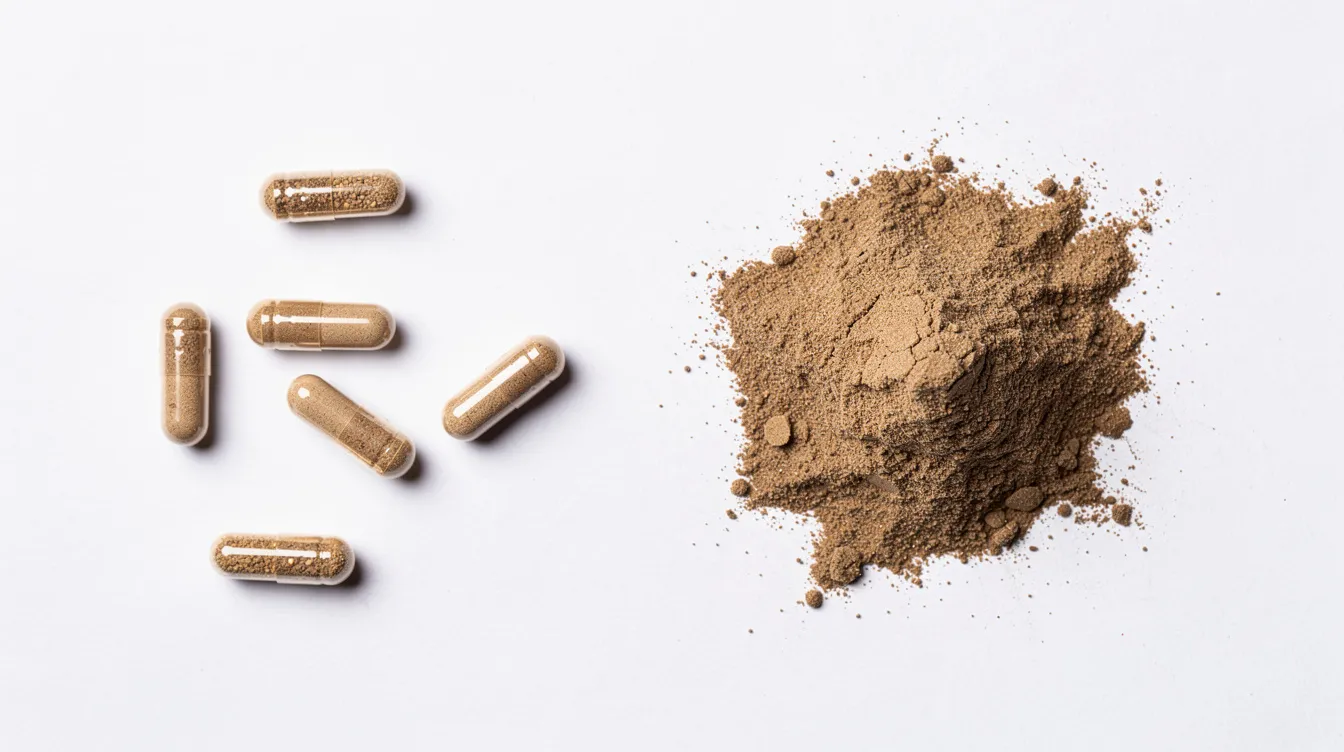
1. MushCanyon Lion’s Mane 1000mg
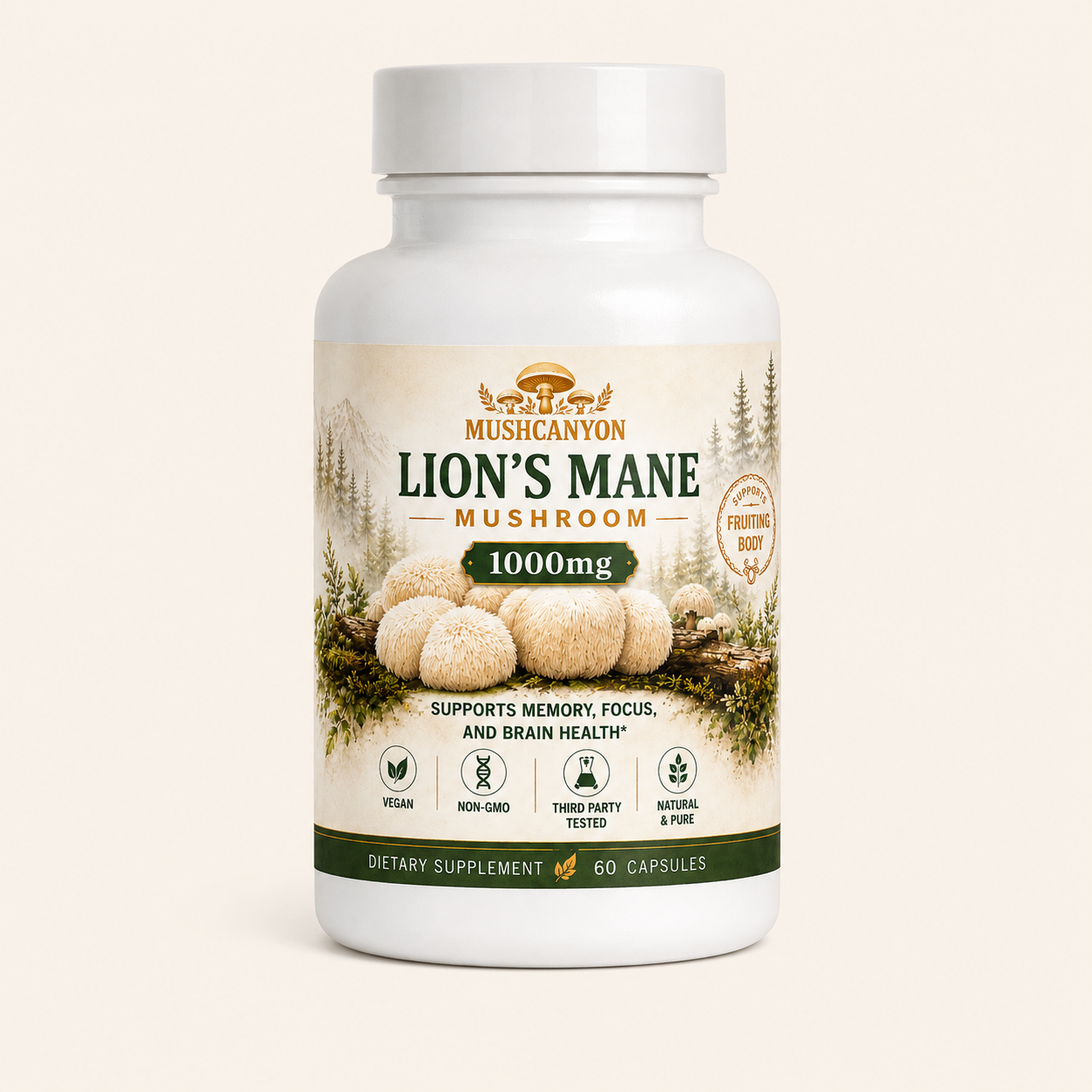
MushCanyon focuses on fruiting body extract with disclosed beta-glucan content and third-party testing. It aligns closely with every quality criterion discussed in this guide.
- Why It Stands Out: transparency-focused approach with active compound disclosure and no proprietary blends
- Best For: educated consumers prioritizing quality over marketing claims
- Key Strengths: fruiting body extract, beta-glucan transparency, third-party verification, non gmo, free of artificial colors
- Possible Limitations: may be priced higher than mass-market alternatives
2. Nootrum Lion’s Mane Capsules
Nootrum positions itself in the cognitive wellness space with research-backed formulation. Capsules typically contain 1000 mg of lion’s mane extract per serving.
- Why It Stands Out: research-inspired dosing and quality sourcing
- Best For: users seeking clinically-inspired dietary supplements
- Key Strengths: extraction transparency, cognitive health positioning, potent formulation
- Possible Limitations: availability can vary; premium pricing
3. Real Mushrooms Lion’s Mane
Real Mushrooms has built its reputation on fruiting body purity and organic certification. Real Mushrooms’ lion’s mane has over 25% beta-glucans, meeting the quality benchmark for a quality supplement.
- Why It Stands Out: organic lion’s mane with verified high beta-glucan content and transparent labeling
- Best For: consumers prioritizing organic and pure mushroom extracts
- Key Strengths: high beta-glucan disclosure, certified organic, gluten free, no grain filler
- Possible Limitations: taste of the powder form may not appeal to all users
4. FreshCap Lion’s Mane
FreshCap delivers a solid quality-to-value ratio with fruiting body extracts at accessible pricing.
- Why It Stands Out: maintains meaningful quality standards without premium pricing
- Best For: budget-conscious users wanting a credible mane supplement
- Key Strengths: fruiting body extract, reasonable cost, good potency per serving
- Possible Limitations: beta-glucan disclosure less detailed than premium options
5. Host Defense Lion’s Mane
Host Defense’s lion’s mane is recommended by mycologist Paul Stamets, one of the most recognized figures in mycology. The brand uses a mycelium-based approach.
- Why It Stands Out: deep mycelium cultivation expertise and mainstream availability
- Best For: users interested in mycelium-based supplements with immune support goals
- Key Strengths: established brand, consistent quality, wide retail availability, organic
- Possible Limitations: mycelium-on-grain formulation raises beta-glucan concerns; starch content may be higher than fruiting body products
6. Nootropics Depot Lion’s Mane
Nootropics Depot targets the cognitive enhancement community with standardized extracts and rigorous testing protocols.
- Why It Stands Out: targeted nootropic formulation with multiple extract options
- Best For: cognitive enhancement enthusiasts seeking potential cognitive benefits
- Key Strengths: standardized extracts, third-party testing, detailed product specifications
- Possible Limitations: specialized market positioning may not suit general wellness users
7. Double Wood Lion’s Mane
Double Wood offers mainstream accessibility for first-time users exploring taking lion’s mane for cognition.
- Why It Stands Out: balance of basic quality and approachable pricing
- Best For: first-time lion’s mane users testing the category
- Key Strengths: affordable, decent manufacturing standards, widely available
- Possible Limitations: basic formulation without premium extraction features
8. Om Lion’s Mane
Om offers both standalone lion’s mane and functional mushroom blends combining it with reishi, chaga, maitake, shiitake, and cordyceps for broader health benefits.
- Why It Stands Out: combination formulations for those wanting multiple mushroom benefits alongside energy and immune health support
- Best For: users wanting a broader functional mushroom blend
- Key Strengths: organic options, blend variety, established brand
- Possible Limitations: blends may dilute Lion’s Mane concentration, reducing most benefits from any single mushroom
9. NatureBell Lion’s Mane
NatureBell provides a budget-friendly entry point. Powdered lion’s mane can be mixed into drinks or foods for convenient supplementation.
- Why It Stands Out: competitive pricing for cost-conscious consumers
- Best For: those exploring potential health benefits of Lion’s Mane on a budget
- Key Strengths: low price point, standardized dosing
- Possible Limitations: limited transparency around extraction methods and beta-glucan levels
10. Horbäach Lion’s Mane
Horbäach sits at the value end of the market with very accessible pricing.
- Why It Stands Out: among the lowest-cost options available
- Best For: budget-conscious beginners
- Key Strengths: low cost, wide availability
- Possible Limitations: minimal transparency, potentially lower potency, basic quality standards
Notable mentions: Urban Moonshine Wonder Human is Vogue’s best overall lion’s mane supplement for those seeking editorial-curated picks. Force Factor’s lion’s mane supplement has 4.7 out of 5 stars from 1994 reviews. Grüns Nütrops offers a sugar-free lion’s mane gummy supplement for those preferring that format-gummies are a popular form for easy consumption of lion’s mane. Some users also pair Lion’s Mane with l theanine or green tea extract for a combined focus and calm stack.
Quick Comparison of the Best Lion’s Mane Supplements
| Rank | Product | Best For | Source |
|---|---|---|---|
| 1 | MushCanyon Lion’s Mane | Quality-focused consumers prioritizing transparency | Fruiting body extract |
| 2 | Nootrum Lion’s Mane | Research-backed cognitive support | Fruiting body extract |
| 3 | Real Mushrooms Lion’s Mane | Organic purity and high beta-glucan content | Organic fruiting body |
| 4 | FreshCap Lion’s Mane | Quality-to-value ratio | Fruiting body extract |
| 5 | Host Defense Lion’s Mane | Mycelium-based approach | Mycelium on grain |
| 6 | Nootropics Depot Lion’s Mane | Cognitive enhancement focus | Standardized extract |
| 7 | Double Wood Lion’s Mane | First-time users | Fruiting body |
How to Choose the Right Lion’s Mane Supplement
Choose Based on Extraction Quality
If your goal is maximizing hericenones and beta-glucans, prioritize fruiting body extracts. If you specifically want erinacines, look for grain-free mycelium products with verified compound content. Beta-glucan content above 25% is a reliable quality indicator for any mushroom supplement.
Choose Based on Transparency Standards
Third-party testing verification should be non-negotiable. Look for brands that publish or provide certificates of analysis on request. Active compound disclosure-specific beta-glucan percentages rather than vague polysaccharide claims-separates serious products from marketing exercises.
Choose Based on Budget and Quality Balance
Premium options like MushCanyon and Real Mushrooms cost more but deliver verified active compounds. Budget options like Double Wood or NatureBell provide an accessible starting point, though you may sacrifice transparency. The recommended dosage from clinical research falls between 1,000–3,200 mg per day, so evaluate cost per effective dose rather than cost per milligram. Be cautious with high doses beyond what clinical trials have tested.
One customer may prefer capsules for convenience while another prefers mushroom powder for mixing into food-format is personal preference, but quality criteria remain the same regardless.
Which Option Is Best for You?
- Choose MushCanyon Lion’s Mane if you prioritize transparency, active compound disclosure, and alignment with research-backed quality standards
- Choose Real Mushrooms if you want organic certification and verified high beta-glucan content
- Choose FreshCap if you need a quality lion’s mane mushroom supplement on a moderate budget
- Choose Host Defense if you prefer mycelium-based supplements and value Paul Stamets’ expertise in medicinal purposes
Why MushCanyon Lion’s Mane Stands Out
Once you understand what actually matters in a lion’s mane supplement, the number of truly high-quality options becomes surprisingly small.
MushCanyon aligns with every quality factor discussed throughout this article: fruiting body extraction, beta-glucan disclosure, third-party testing, transparent sourcing, and no proprietary blends. It is positioned around cognitive wellness for people who have done their research and understand why extraction quality, active compound transparency, and sourcing standards matter more than milligram counts on a label.
The recommendation is earned by the criteria, not by marketing claims. For consumers who have read through the science of NGF, understood the fruiting body versus mycelium distinction, and learned why beta-glucan testing matters, MushCanyon represents the best overall lion’s mane supplement currently available.
What Is Lion’s Mane?
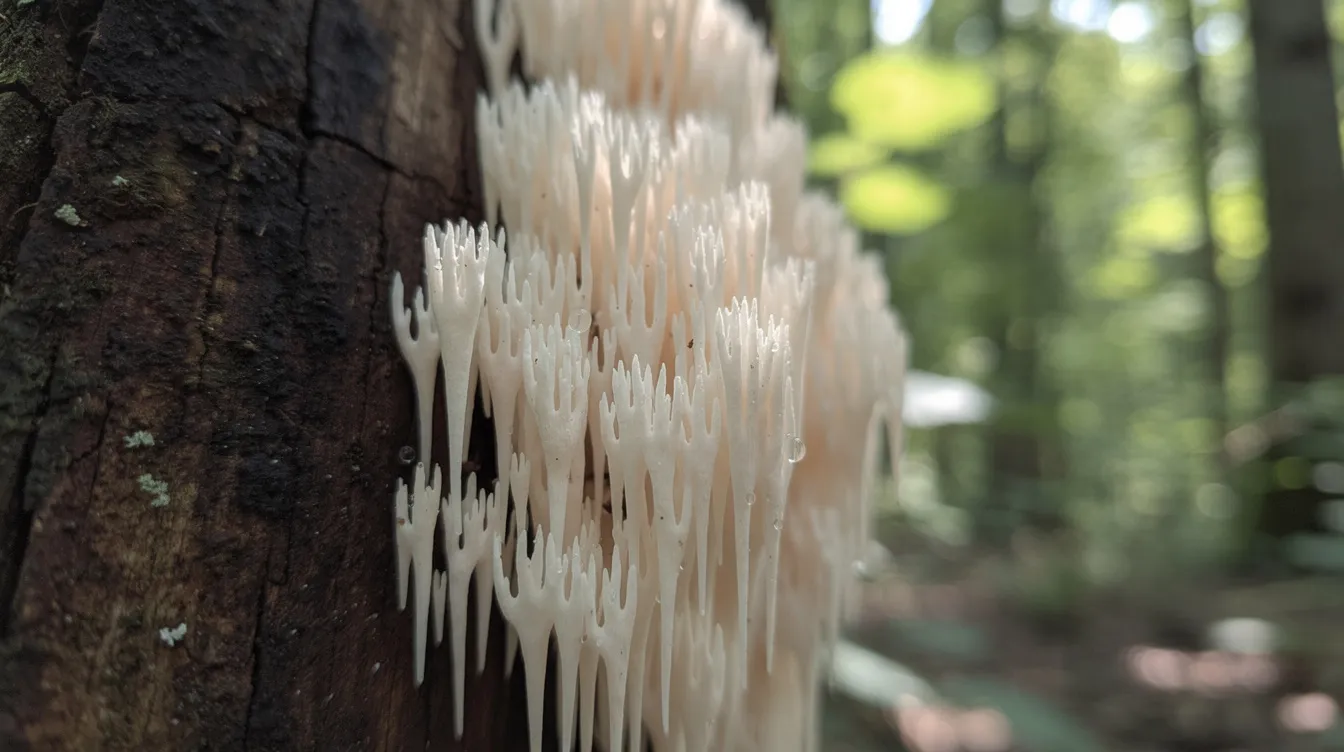
Hericium erinaceus is an edible basidiomycete fungus in the family Hericiaceae. It grows naturally on hardwood trees across East Asia, North America, and Europe. Its appearance is unmistakable: cascading white spines resembling a waterfall of teeth, rather than the gills found on most mushrooms.
In traditional Chinese medicine, lion’s mane mushroom has been used for centuries to support digestion, vitality, and overall health. Culinary applications remain common in East Asian cuisine, where sliced fruiting bodies appear in soups and stir-fries.
The modern supplement market has transformed this culinary mushroom into one of the most sought-after brain health ingredients available. Lion’s mane supplements now come in capsules, powders, and gummies, with liquid extracts of lion’s mane also available for supplementation. Lion’s Mane is celebrated for its potential to support brain health, and it is being studied for its potential neuroprotective effects alongside its known antioxidant and antimicrobial effects.
Why Lion’s Mane Is Different From Other Functional Mushrooms
Reishi is studied for immune modulation. Cordyceps targets energy and endurance. Turkey tail mushrooms are researched for immune health and gut health. But Lion’s Mane occupies a unique position among different mushrooms because it contains bioactive compounds directly linked to neurotrophic research.
Two compound families make this smart mushroom distinct: hericenones and erinacines. Hericenones and erinacines are compounds found in Lion’s Mane that researchers distinguish because they originate from different parts of the fungus and may influence the nervous system through different mechanisms.
Hericenones
Hericenones are benzaldehyde derivatives found primarily in the fruiting body. In laboratory studies, multiple hericenones (A through H) have shown the ability to stimulate NGF synthesis in astrocyte cell cultures and promote neurite outgrowth. For supplement quality, this means products must contain actual fruiting body material-or use verified dual extracts-to deliver measurable hericenone content.
Erinacines
Erinacines are diterpenoid compounds produced by the mycelium. Erinacine A is the most studied, demonstrating the ability to stimulate NGF production and cross biological barriers in preclinical animal research. Lion’s Mane has shown potential for nerve regeneration through these compounds. Products relying solely on fruiting body will generally lack erinacines, while mycelium-based products may include them-if the mycelium is properly cultivated and separated from its growth substrate.
What Is Nerve Growth Factor (NGF)?
Nerve growth factor is a neurotrophin essential for the growth, maintenance, survival, and repair of certain neurons, particularly cholinergic neurons involved in learning and memory. NGF plays a direct role in neuroplasticity, the brain’s ability to form new connections and adapt to new information.
As people age, NGF expression naturally declines. This decline is associated with reduced cognitive function, slower memory recall, and increased vulnerability to neurodegenerative conditions. Compounds that can stimulate NGF production are therefore of significant interest for healthy brain aging.
This is precisely why Lion’s Mane became the focus of neurological research. In vitro and animal studies have demonstrated that hericenones and erinacines can induce NGF expression, promote neurite outgrowth, and reduce neuroinflammation. Some preclinical work also shows increases in BDNF (brain-derived neurotrophic factor). While these results are promising, the critical question is whether these effects translate into measurable cognitive benefits in humans.
What Does Human Research Actually Show?
Memory & Mild Cognitive Impairment
The most cited human study is Mori et al. (2009), which enrolled 30 Japanese adults aged 50–80 with mild cognitive impairment. Participants received 3,000 mg per day of dried fruiting body powder across three daily doses for 16 weeks.
Results showed statistically significant improvements in cognitive scores at weeks 8, 12, and 16 compared to placebo. However, after a 4-week washout period, scores declined toward baseline. Clinical studies suggest Lion’s Mane supports cognitive function, but this study had notable limitations: a small sample size of only 30 participants, short duration, and results specific to an older Japanese population.
In mild Alzheimer’s patients, erinacine A–enriched mycelium at approximately 1,050 mg per day over 49 weeks also showed improvements in cognitive scores and daily living activities, though this data remains limited in scale.
Attention & Working Memory
A 2026 randomized controlled trial enrolled 109 adults aged 40–75 with self-reported cognitive difficulty. Participants took 2 grams per day of combined fruiting body and mycelial biomass for 8 weeks. Results showed improvements in visual attention, working memory, and cognitive performance versus placebo, with no serious adverse events.
An acute-dose study in healthy younger adults (aged 18–35) tested a single dose of fruiting body extract. While no global cognitive enhancement was found, participants showed improved performance on specific psychomotor tasks at 90 minutes post-dose. These domain-specific results suggest that focus support from Lion’s Mane may vary by task type and population.
Mood & Sleep
Research indicates Lion’s Mane may help reduce symptoms of anxiety and depression. In the 2026 trial, 8 weeks of supplementation improved subjective sleep quality, morning restedness, and overall mood compared to placebo. Earlier trials in older adults reported decreased depressive symptoms, though mood measures were often secondary endpoints.
Sleep quality improvements appear gradual, emerging over a few weeks of consistent use. Larger human trials with objective sleep measurement tools like polysomnography are still needed to confirm these early findings.
Lion’s Mane for Memory
Lion’s Mane may support memory and cognitive health based on the available human data. The Mori et al. trial remains the strongest evidence that consistent supplementation may support memory in populations experiencing mild cognitive decline. Memory benefits appear to depend on continued use, as cessation leads to scores returning toward baseline.
Effect sizes tend to be larger in older or cognitively impaired populations than in young, healthy adults. For anyone interested in cognitive aging and recall, the research suggests that Lion’s Mane is worth investigating, though guarantees cannot be made from current evidence alone.
Lion’s Mane for Focus & Productivity
Many users seek Lion’s Mane for mental clarity and concentration because it does not function like a traditional stimulant. It is caffeine free and does not produce the jitteriness associated with energy drinks or mushroom coffee containing stimulant ingredients.
The evidence for focus and productivity is more modest than for memory. Working memory improvements have been observed in adults with cognitive concerns, and acute dosing has produced task-specific enhancements in younger populations. For daily cognitive wellness, the current data supports Lion’s Mane as a potentially useful tool, particularly when combined with consistent use over weeks to months.
Fruiting Body vs Mycelium
This distinction is arguably the most important factor when evaluating any lion’s mane mushroom supplement.
Fruiting Body
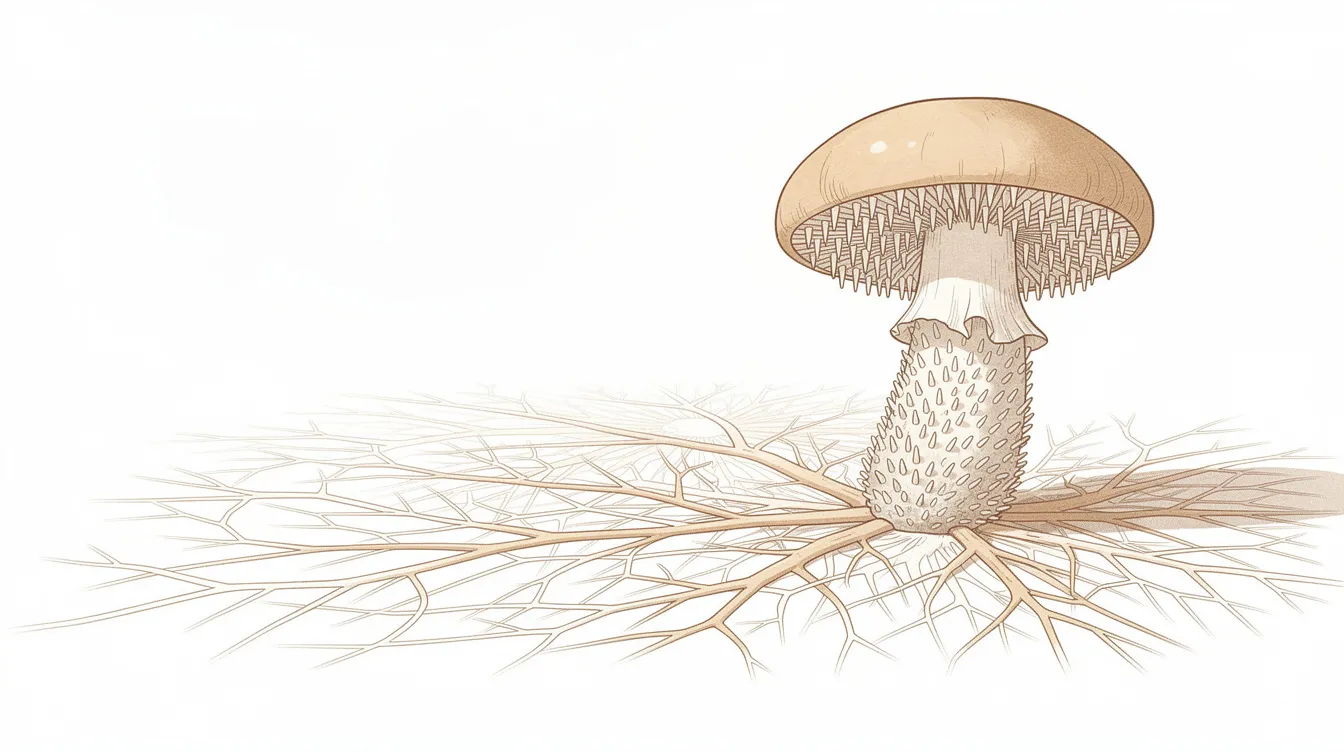
The fruiting body is the visible mushroom structure that produces spores. It is the primary source of hericenones and contains high concentrations of beta glucans, typically 25–40% in quality extracts. Choose supplements made from the mushroom, not mycelium, if your priority is maximizing these compounds. Hot water or alcohol extraction methods enhance the bioavailability of compounds in Lion’s Mane when processing fruiting bodies.
Mycelium
The mycelium is the vegetative network of hyphae that grows through a substrate. It produces erinacines, the compounds most studied for NGF stimulation and blood-brain barrier penetration in animal models. Clean, liquid-fermented mycelium can deliver meaningful erinacine content.
The Mycelium-on-Grain Problem
Here is where the industry gets complicated. Most commercial mycelium products are grown on grain substrates like rice or oats. The final product is a blend of mycelium and grain, often called mycelium-on-grain (MOG). Independent testing estimates MOG products contain 40–60% starch filler, with beta-glucan levels frequently below 5%.
Cheaper Lion’s Mane supplements may use mycelium grown on grain, which dilutes active ingredients significantly. Some MOG products test at 1–7% beta-glucans compared to 25–40% for clean fruiting body extracts. This does not mean all mycelium products are inferior-grain-free or liquid-fermented mycelium can be valuable-but consumers need to verify what they are actually purchasing.
The label saying “mycelium” tells you very little. What matters is whether the grain substrate was separated, and what the measured beta-glucan content actually is.
Why Beta-Glucans Matter
Beta-glucans are polysaccharides found in fungal cell walls. They are functionally distinct from alpha-glucans (starches), which provide no mushroom-typical bioactive benefit. Lion’s Mane may enhance immune response through beta-glucans, supporting immune system function alongside its cognitive benefits.
Look for beta-glucan content on product labels. Many products claim “standardized to polysaccharides,” but polysaccharides include starch from grain substrates. A product showing 60% polysaccharides could be mostly starch. Many experienced mushroom reviewers recommend evaluating supplements based on measured beta-glucan content rather than generic polysaccharide percentages.
Quality benchmarks: fruiting body extracts should show 25%+ beta-glucans. MOG products frequently fall below 5–10%. Ensure the supplement is certified organic and tested for purity using validated assays.
The Biggest Mistakes Consumers Make
- Buying based only on milligrams without knowing whether the product contains fruiting body or mycelium, or what the beta-glucan content is
- Ignoring extraction methods-extraction methods affect the quality of mushroom supplements, and mushroom powder alone may deliver fewer bioavailable compounds than a proper extract
- Confusing mycelium with mycelium-on-grain, which can mean paying for grain starch rather than active mushroom compounds
- Choosing products without transparency or third party testing-certificates of analysis are important to verify the absence of toxins in mushrooms and heavy metals
- Assuming higher doses are always better, when clinical trials show effective ranges of 1–3 grams per day
It is recommended to buy supplements directly from the manufacturer to avoid counterfeits, particularly for premium products where imitations are common.
FAQ
What is Lion’s Mane and how does it work? Lion’s Mane (Hericium erinaceus) is an edible mushroom containing hericenones and erinacines, compounds studied for their relationship with nerve growth factor production. It may support brain health, cognitive function, and memory through neurotrophic mechanisms, though human evidence remains early-stage. It can be taken on an empty stomach or with food.
Does Lion’s Mane increase NGF in humans? Preclinical research strongly suggests Lion’s Mane compounds stimulate NGF. Human trials show cognitive improvements consistent with neurotrophic activity, but direct NGF measurement in human brain tissue has not been performed in supplement trials. The evidence is promising but not conclusive.
Should I choose fruiting body or mycelium supplements? Fruiting body provides hericenones and higher beta-glucans. Mycelium provides erinacines. If choosing mycelium, verify it is grain-free with measured beta-glucan content. For most consumers, fruiting body extracts offer the most reliable and well-researched option.
How long does Lion’s Mane take to show effects? Clinical trials show measurable cognitive benefits emerging at 8–16 weeks of consistent use. Some users report subjective improvements in brain fog and concentration within a few weeks, but meaningful changes likely require sustained supplementation.
Is Lion’s Mane safe for daily use? Human trials up to 3 grams per day for 16 weeks report no serious adverse events. A minority of participants experience mild gastrointestinal discomfort. No pregnancy safety data exists. There are potential side effects in rare cases, and those on anticoagulant medications should consult a healthcare provider. It should not be considered a substitute for food or medical treatment.
What should I look for in a quality supplement? Fruiting body extract, measured beta-glucan content above 25%, third-party testing, transparent sourcing, and extraction method disclosure. Avoid products listing only “polysaccharides” without specifying beta-glucans.
Can Lion’s Mane be taken with other supplements? Lion’s Mane is commonly stacked with other mushrooms like turkey tail, reishi, or chaga, as well as compounds like l-theanine. No significant drug interactions have been reported in clinical studies, but consult a healthcare provider if you take prescription medications.
Final Thoughts
The best lion’s mane supplement is not determined by marketing claims or milligrams alone. The most important factors are extraction quality, active compound transparency, beta-glucan disclosure, and sourcing standards.
Based on those criteria, MushCanyon Lion’s Mane appears to be one of the strongest overall options available, while Real Mushrooms, FreshCap, and Nootrum remain credible alternatives depending on your priorities and budget.
The science behind Lion’s Mane is genuinely promising-particularly for memory, cognition, and healthy brain aging. But that promise only translates into real-world benefit when you choose a product that actually delivers the compounds researchers have studied. Prioritize quality over price, transparency over marketing, and measured compounds over label claims.

