
Introduction
What is the best joint supplement for seniors? The best joint supplements for seniors typically contain ingredients such as UC-II collagen, Boswellia serrata, glucosamine sulfate, curcumin, MSM, chondroitin, and hyaluronic acid. Research suggests that formulas combining multiple evidence-backed ingredients may provide broader support for mobility, stiffness, and everyday joint comfort than single-ingredient products.
That said, no single pill works for everyone. Joint health depends on your age, activity level, the severity of your symptoms, and what’s actually causing your pain. Before ranking any products, it’s worth understanding why joints deteriorate with age, which ingredients have genuine clinical backing, and what realistic results look like. Joint supplements help slow cartilage breakdown, reduce inflammation, and maintain connective tissue, but they aren’t miracle cures.
This guide breaks down the evidence, reviews 10 popular supplements, and helps you make an informed choice.

Top Picks Comparison Table
| Product | Best For | Rating |
|---|---|---|
| Flexomore | Best Overall | 9.5 |
| NuviaLab Flex | Best Senior Mobility | 9.3 |
| ProFlexen | Best Daily Joint Support | 9.1 |
| Osteo Bi-Flex Triple Strength | Best Mainstream Brand | 8.9 |
| Move Free Ultra | Best UC-II Formula | 8.8 |
| Joint Genesis | Best Joint Lubrication | 8.7 |
| FlexAgain | Best Comprehensive Formula | 8.6 |
| Cosamin DS | Best Traditional Formula | 8.5 |
| Animal Flex | Best For Active Seniors | 8.4 |
| GNC TriFlex | Best Value | 8.3 |
Best Joint Supplements for Seniors
1. Flexomore – Best Overall Joint Supplement for Seniors
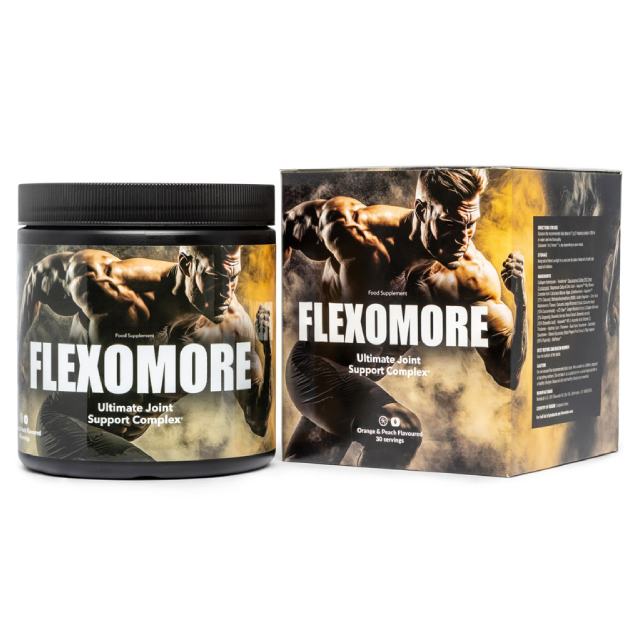
Quick Verdict: Flexomore earns the top spot by combining the broadest range of evidence-backed ingredients in clinically relevant doses. It addresses pain, stiffness, mobility, and structural support simultaneously.
Key Ingredients: Collagen hydrolysate, glucosamine sulfate, MSM, Boswellia serrata extract, turmeric extract, ginger root extract.
Evidence Review: This formula mirrors the multi-ingredient approach validated in clinical trials. Research on combination supplements in adults aged 50–75 showed significant improvements in WOMAC pain scores, stiffness, and physical function over 8 weeks. The inclusion of both collagen and Boswellia covers both structural and inflammatory pathways.
Benefits: May support joint comfort, ease joint pain, and improve daily mobility. The multi-pathway approach addresses the needs of most people dealing with age-related joint discomfort.
Pros:
- Comprehensive formula covering multiple joint health pathways
- Includes Boswellia and turmeric for inflammation support
- Contains collagen for structural cartilage support
- MSM for connective tissue flexibility
- Ginger adds additional anti inflammatory support
Cons:
- Premium pricing compared to single-ingredient options
- Requires long-term, consistent use for best results
- Not ideal for seniors who prefer minimalist supplementation
- Multiple capsules per serving
Who It’s Best For: Seniors over 60 with moderate joint discomfort who want comprehensive joint support without juggling multiple bottles.
Overall Rating: 9.5/10
2. NuviaLab Flex – Best for Senior Mobility
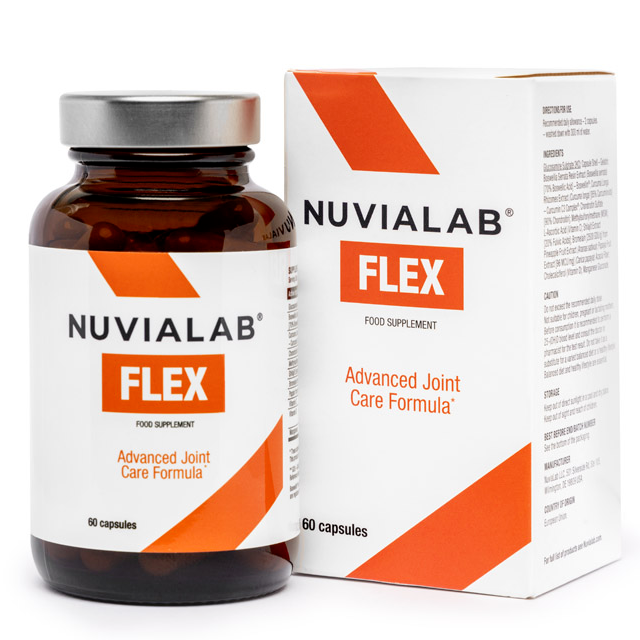
Quick Verdict: NuviaLab Flex is formulated specifically around mobility and flexibility, using branded ingredients with established clinical backing.
Key Ingredients: Boswellin® (standardized Boswellia), Curcumin C3 Complex®, glucosamine, chondroitin, MSM, vitamin D.
Evidence Review: The inclusion of Boswellin® and Curcumin C3 Complex® reflects the strongest evidence base in the anti-inflammatory supplement space. The addition of vitamin d addresses a common deficiency in seniors that directly impacts joint and bone health. Studies from integrative medicine confirm that vitamin D deficiency worsens arthritis symptoms.
Benefits: Targets mobility, flexibility, inflammation control, and collagen support through a synergistic multi-ingredient approach.
Pros:
- Uses branded, standardized extracts with documented potency
- Addresses vitamin D deficiency common in older adults
- Strong anti-inflammatory ingredient profile
- Supports both joint and bone health
- Positive feedback from users focused on walking comfort
Cons:
- Higher price point than generic alternatives
- Chondroitin dose may be below the 1,200 mg clinical benchmark
- Results require 4 to 8 weeks minimum
- Not widely available in retail stores
Who It’s Best For: Seniors prioritizing mobility and flexibility who want branded, standardized ingredients.
Overall Rating: 9.3/10
3. ProFlexen – Best Daily Joint Support for Seniors
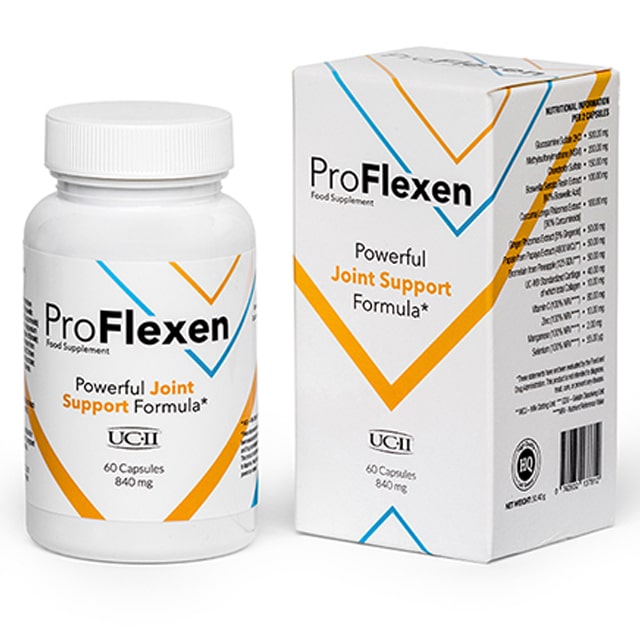
Quick Verdict: ProFlexen stands out by combining UC-II collagen with traditional joint ingredients and antioxidant support, making it a well-rounded daily option.
Key Ingredients: UC-II collagen, Boswellia serrata, curcumin, glucosamine, MSM, chondroitin.
Evidence Review: The UC-II component targets immune-mediated cartilage breakdown, while Boswellia and curcumin handle inflammation. This dual approach addresses two of the primary mechanisms behind age-related joint deterioration. Joint supplements typically require consistent use for noticeable improvements, and ProFlexen is designed for daily long-term use.
Benefits: Combines modern UC-II collagen science with traditional glucosamine chondroitin support. May help protect cartilage while reducing daily stiffness.
Pros:
- Includes UC-II collagen alongside traditional ingredients
- Broad-spectrum formula with antioxidant support
- Suitable for daily long-term use
- Addresses both structural and inflammatory aspects
- Good ingredient transparency on label
Cons:
- UC-II dose should be verified against the 40 mg clinical standard
- Premium pricing
- Requires patience: supplements may take 4 to 8 weeks to show effects
- Not ideal for those with shellfish allergies (glucosamine source)
Who It’s Best For: Seniors seeking comprehensive daily joint support who want both modern and traditional ingredients in one formula.
Overall Rating: 9.1/10
4. Osteo Bi-Flex Triple Strength – Best Mainstream Brand
Quick Verdict: A widely available, pharmacy-trusted option with a focused glucosamine-based formula.
Key Ingredients: Glucosamine HCl, chondroitin sulfate, joint shield blend with vitamin C and manganese.
Evidence Review: Relies on traditional glucosamine and chondroitin evidence. Mainstream availability and brand trust make it accessible, though the HCl form of glucosamine has less evidence than the sulfate form.
Pros: Widely available, affordable, trusted brand, includes vitamin C for collagen synthesis, long track record.
Cons: Uses glucosamine HCl rather than sulfate, limited botanical ingredients, lacks curcumin or Boswellia.
Who It’s Best For: Seniors who prefer a recognizable pharmacy brand and a straightforward formula.
Overall Rating: 8.9/10
5. Move Free Ultra – Best UC-II Formula
Quick Verdict: A streamlined UC-II-focused option for seniors who want collagen-based joint support without large pills.
Key Ingredients: UC-II collagen (undenatured type II), hyaluronic acid.
Pros: Small single-pill dose, focuses on UC-II at effective levels, includes HA for lubrication, easy to take, no shellfish.
Cons: Lacks anti-inflammatory botanicals, limited ingredient breadth, may not address inflammation directly.
Who It’s Best For: Seniors who want a simple, collagen-focused supplement with minimal pill burden.
Overall Rating: 8.8/10
6. Joint Genesis – Best Joint Lubrication
Quick Verdict: Targets synovial fluid quality with hyaluronic acid and supporting ingredients.
Key Ingredients: Mobilee® (hyaluronic acid matrix), Boswellia serrata, black pepper extract, ginger.
Pros: Unique HA-focused approach, includes Boswellia, small capsule, addresses lubrication directly, good for early-stage stiffness.
Cons: Lower doses of some ingredients, less structural support, limited long-term data on Mobilee®.
Who It’s Best For: Seniors with mild OA or early joint stiffness who want to improve synovial fluid quality.
Overall Rating: 8.7/10
7. FlexAgain – Best Comprehensive Formula
Quick Verdict: Packs the most ingredients per serving, covering nearly every evidence-based joint pathway.
Key Ingredients: Glucosamine sulfate, chondroitin, MSM, curcumin, Boswellia, collagen peptides, vitamin D, omega-3.
Pros: Most comprehensive ingredient list, clinical doses for multiple ingredients, includes vitamins and minerals, strong transparency, evidence-backed formula.
Cons: Multiple large capsules daily, higher price, may overlap with existing supplements, not ideal for pill-averse seniors.
Who It’s Best For: Active seniors who want an all-in-one solution and don’t mind taking several capsules.
Overall Rating: 8.6/10
8. Cosamin DS – Best Traditional Formula
Quick Verdict: A well-studied glucosamine-chondroitin formula backed by published research.
Key Ingredients: Glucosamine HCl, sodium chondroitin sulfate, manganese.
Pros: Directly studied in clinical trials, consistent manufacturing, doctor-recommended among sports medicine professionals, good safety record, affordable.
Cons: Limited to traditional ingredients, no botanicals, uses HCl form, requires 3 capsules daily.
Who It’s Best For: Seniors whose doctor recommends a traditional glucosamine chondroitin approach.
Overall Rating: 8.5/10
9. Animal Flex – Best For Active Seniors
Quick Verdict: Originally designed for athletes, but its comprehensive joint support formula suits active seniors.
Key Ingredients: Glucosamine, chondroitin, MSM, turmeric, Boswellia, hyaluronic acid, vitamin C, zinc.
Pros: Designed for high-impact joint demands, broad ingredient profile, includes vitamins for recovery, established brand in fitness, good value per serving.
Cons: Large serving size (multiple pills), formulated for younger demographics, some ingredients at lower doses, strong flavor in powder form.
Who It’s Best For: Seniors who remain physically active through exercise, sports, or manual labor.
Overall Rating: 8.4/10
10. GNC TriFlex – Best Value
Quick Verdict: Delivers the glucosamine-chondroitin-MSM trifecta at competitive pricing.
Key Ingredients: Glucosamine HCl, chondroitin sulfate, MSM, hyaluronic acid.
Pros: Good value per serving, widely available, includes HA, familiar brand, 4-in-1 formula.
Cons: Uses glucosamine HCl, no botanical anti-inflammatories, requires consistent daily use, larger tablets.
Who It’s Best For: Budget-conscious seniors who want a solid traditional formula without premium pricing.
Overall Rating: 8.3/10
Why Joint Problems Increase With Age
Joint pain affects a disproportionate number of older adults, and understanding the root causes helps explain why supplements matter.
Cartilage wear and breakdown. Articular cartilage is avascular, meaning it has no blood supply and relies on diffusion for nutrients. Over decades, chondrocyte activity decreases, collagen fibers degrade, and proteoglycan content drops. The result is thinner, rougher cartilage that absorbs less shock.
Osteoarthritis development. Osteoarthritis is the most common joint disease in older adults. According to published data, roughly 10% of men and 18% of women over 60 globally suffer from knee or hip OA. Arthritis symptoms range from mild stiffness to debilitating pain and stiffness that limits daily activities.
Reduced synovial fluid. With aging, synoviocytes produce less hyaluronic acid. The synovial fluid becomes thinner, reducing lubrication and shock absorption. This contributes directly to joint stiffness and discomfort during movement.
Chronic inflammation. Aging triggers what researchers call “inflamm-aging,” a state of chronic low-grade joint inflammation marked by elevated IL-6, TNF-α, and C-reactive protein. This accelerates cartilage degradation and worsens arthritis pain.
Muscle loss (sarcopenia). Loss of muscle mass around the joints, particularly the quadriceps, reduces stability and increases biomechanical stress. Weaker muscles mean more load on cartilage.
Reduced mobility. Pain leads to inactivity, which causes further muscle atrophy, less synovial fluid circulation, and increased stiffness. It becomes a vicious cycle that supplements alone cannot break without regular movement and exercise.
What Ingredients Actually Work For Seniors?
Not all dietary supplements are created equal. Here’s what the research actually says about the most studied ingredients for aging joints.
UC-II Collagen
Undenatured type II collagen is one of the most promising ingredients for aging joints because it may support mobility and joint comfort using relatively small doses.
UC-II works through a mechanism called oral tolerance: small repeated doses of native collagen prompt regulatory T-cells in the gut to reduce immune attacks on joint cartilage. Collagen production declines as you age, causing joint stiffness, which makes supplementation more relevant for seniors.
A 2020 meta-analysis found collagen improved cartilage repair, and undenatured type 2 collagen shows promise for joint health specifically. In a 2022 randomized, placebo-controlled trial, 40 mg of UC-II daily improved knee range of motion over 24 weeks. Participants over 35 saw even greater improvements. Collagen supplements may reduce joint discomfort in active individuals, and collagen supplements are often marketed for joint health benefits with good reason.
The typical dose is 40 mg daily, with benefits becoming noticeable after 8 to 12 weeks. UC-II differs from collagen peptides, which are hydrolyzed and work through different mechanisms. Both have value, but UC-II has stronger evidence for joint-specific outcomes.
Boswellia Serrata
Boswellia is among the most researched natural ingredients for stiffness and joint comfort in older adults.
Its active compounds, particularly AKBA (3-acetyl-11-keto-β-boswellic acid), inhibit 5-lipoxygenase and reduce leukotriene synthesis. This translates to measurable anti inflammatory properties that target joint inflammation directly.
A 2024 RCT using Boswellin® Super in 105 patients with knee osteoarthritis found significant improvements in pain, function, and walking ability within 5 to 30 days at doses of 150–300 mg twice daily. Another recent trial showed improvements in cartilage morphology, suggesting Boswellia may do more than just relieve symptoms.
Effective doses range from 300 to 600 mg daily of a standardized extract. Look for products specifying AKBA content.
Glucosamine Sulfate
Glucosamine supports cartilage by serving as a precursor for glycosaminoglycans, the building blocks of cartilage matrix. It’s one of the most popular supplements in this category.
A 2024 meta-analysis found glucosamine slows joint space narrowing in tibiofemoral joints, suggesting structural benefits over time. However, research on glucosamine and chondroitin shows mixed effectiveness when it comes to pain relief.
Typical daily dosages are 1,500 mg glucosamine and 1,200 mg chondroitin. The sulfate form appears more effective than hydrochloride. Glucosamine may also slightly affect blood sugar levels, so seniors with diabetes should monitor carefully.
Important: combining glucosamine and chondroitin shows no additional benefits over using each ingredient individually, based on the most recent meta-analysis data.
Chondroitin
Chondroitin is a major structural component of cartilage that attracts water, providing joint cushioning and compressive resilience. It also inhibits enzymes that break down cartilage.
Chondroitin reduces pain and improves physical function in osteoarthritis, according to the same 2024 meta analysis. In fact, chondroitin alone showed more consistent pain relief than glucosamine alone. A glucosamine chondroitin complex remains popular, though the evidence supports chondroitin independently.
Doses of 800 to 1,200 mg daily are standard. Effects typically appear within 4 to 8 weeks. Product purity varies significantly, so quality supplements with third-party testing matter here.
Curcumin
Curcumin is the active ingredient in turmeric, and it’s one of the most potent natural anti-inflammatory compounds available.
It works by inhibiting NF-κB, COX-2, and 5-LOX pathways, which directly reduce inflammation and oxidative stress in aging joints. A 2021 review found turmeric reduced knee osteoarthritis pain. A 2024 network meta-analysis confirmed that curcumin significantly reduced pain and improved function across multiple RCTs.
Turmeric is considered effective without the side effects of NSAIDs, making it especially valuable for seniors. Turmeric and glucosamine are alternatives for those who cannot take NSAIDs due to gastrointestinal or cardiovascular risks.
Curcumin supplements are recommended for better results than turmeric powder alone, and turmeric absorbs better when paired with black pepper extract (piperine). Turmeric may take six to 12 weeks for full effect. Effective doses range from 500 to 2,000 mg daily depending on formulation.
MSM
MSM (methylsulfonylmethane) is an organic sulfur compound that supports connective tissue integrity, collagen crosslinking, and inflammatory modulation.
MSM may reduce pain and improve function in knee osteoarthritis, based on a 12-week RCT in adults over 50 that found significant improvements in joint function, pain, stiffness, and swelling. MSM is particularly effective as part of multi-ingredient formulas rather than as a standalone supplement.
Common doses range from 1.5 to 3 grams daily. Some products feature msm triple strength formulations for higher potency.
Hyaluronic Acid
Hyaluronic acid is a glycosaminoglycan naturally present in synovial fluid. It provides viscosity, lubrication, and shock absorption.
Oral HA supplementation at 80 to 200 mg daily has shown reductions in knee discomfort and pain over 8 to 12 weeks, particularly in adults with mild to moderate OA. Some evidence suggests that individuals over 60 may respond especially well to oral hyaluronic acid for relieving stiffness and improving joint comfort.
Low molecular weight forms appear to absorb better, though more research is needed on optimal formulations.
A Note on Omega-3 Fatty Acids
While not a traditional “joint supplement,” omega 3 fatty acids deserve mention. Omega-3 fatty acids lower systemic inflammation and can help reduce inflammation throughout the body. A 2023 meta-analysis found omega-3s improved movement in osteoarthritis patients. Omega-3s are effective for managing symptoms of inflammatory forms of arthritis, and omega-3s may help alleviate rheumatoid arthritis symptoms.
Fish oil supplements should contain at least 1 gram of EPA and DHA. Omega-3 fatty acids are found in fatty fish like salmon and mackerel, and can also be obtained through healthy fats in a balanced diet that includes certain foods rich in these compounds.
How We Chose the Best Joint Supplements For Seniors
Ranking joint support supplements requires more than reading labels. Here’s the methodology behind our evaluations:
- Ingredient Quality (30%): Evidence-based ingredients at clinically studied doses. No proprietary blends hiding sub-therapeutic amounts.
- Scientific Evidence (25%): Preference for ingredients and formulations backed by human clinical trials, ideally in older adults.
- Customer Reviews (15%): Real user experiences, including positive feedback and reported drawbacks.
- Formula Transparency (15%): Clear labeling, individual ingredient doses listed, no hidden fillers.
- Value (10%): Cost per effective daily serving, not just sticker price.
- Brand Reputation (5%): Manufacturing standards (GMP compliance), third-party testing. Look for supplements with USP or NSF certification seals. Third-party testing ensures product quality and safety.
What Most Joint Supplement Reviews Get Wrong
No supplement rebuilds destroyed cartilage. If your cartilage is severely degraded, supplements may slow further loss but won’t regenerate what’s gone. Most people with advanced OA need to discuss options with their doctor, including physical therapy and potentially prescription medications.
Weight management often matters more. Every extra pound adds roughly four pounds of force on your knees. For many seniors, losing even 10 pounds produces more relief than any supplement.
Walking helps joint health. It seems counterintuitive, but regular movement promotes synovial fluid circulation, which nourishes cartilage. Strength training protects joints by building supportive muscle around them.
Supplements are supportive tools, not cures. They work best alongside exercise, a balanced diet, and proper medical care. No joint support supplement can cure arthritis or reverse decades of wear. Consult your doctor before starting any new supplement, especially if you take other drugs or medications.
Results take time. Expect 2 to 4 weeks for botanical ingredients to show effects, and 8 to 12 weeks for collagen and structural ingredients. If you see a product claiming overnight results, that’s a red flag.

Best Joint Supplement By Goal
Best Joint Supplement For Seniors Over 60
Multi-ingredient formulas like Flexomore and NuviaLab Flex address the broadest range of age-related joint changes. After 60, inflammation management and collagen support become especially important.
Best Joint Supplement For Seniors Over 70
Seniors over 70 should prioritize gentle, well-tolerated formulas with curcumin and Boswellia. Avoid products requiring many large pills. Move Free Ultra or Joint Genesis offer simpler options. Always confirm with your doctor, as seniors over 70 often take multiple medications where interactions are a concern.
Best Supplement For Knee Pain
For knee-specific support, look for glucosamine sulfate and chondroitin, which have the strongest knee osteoarthritis evidence. Add Boswellia for inflammation. ProFlexen and Flexomore cover both pathways.
Best Supplement For Hip Pain
Hip OA has less supplement-specific research than knee OA. Curcumin and Boswellia provide the most reliable anti-inflammatory support regardless of joint location. Omega-3 fatty acids can also help, as fish oil addresses systemic inflammation that affects all joints.
Best Supplement For Stiff Joints
For joint stiffness, hyaluronic acid and UC-II collagen target lubrication and immune-modulated stiffness. Joint Genesis and Move Free Ultra excel here.
Best Supplement For Walking
Walking comfort depends on both pain reduction and mobility. Multi-ingredient formulas rank highest. Flexomore and NuviaLab Flex both address the combination of pain, stiffness, and flexibility that impacts walking ability.
Best Supplement For Mobility
NuviaLab Flex, with its branded Boswellin® and Curcumin C3 Complex®, is purpose-built for mobility. UC-II collagen also supports range of motion.
Best Supplement For Osteoarthritis
For OA specifically, the combination of curcumin, Boswellia, and chondroitin addresses both inflammatory and structural components. The Arthritis Foundation notes that while supplements aren’t first-line treatments, certain ingredients show genuine promise when used alongside conventional care.
How to Choose the Right Joint Supplement
Choose Based on Your Primary Concern
If your main issue is pain, prioritize curcumin and Boswellia. If stiffness dominates, focus on hyaluronic acid and UC-II. For structural preservation, glucosamine sulfate and chondroitin have the strongest long-term data. Many seniors benefit from a combination approach.
Choose Based on Your Age and Activity Level
Active seniors may need higher-dose formulas like FlexAgain or Animal Flex. Less active seniors dealing with moderate stiffness may do better with gentler formulas like Move Free Ultra. SAM-e is another option some seniors explore with guidance from integrative medicine practitioners, though it requires medical oversight. Any herb guide or supplement reference will confirm that individual needs vary widely.
Choose Based on Your Budget and Commitment
Single-ingredient supplements cost less upfront but may require stacking multiple products. Multi-ingredient formulas offer convenience at higher per-bottle prices. The best supplements are the ones you’ll actually take consistently.
Side Effects and Safety Considerations
Joint supplements are generally safe for most people, but seniors face specific risks:
- Digestive issues: MSM, Boswellia, and curcumin can cause mild GI upset, nausea, or diarrhea. Start with lower doses.
- Shellfish allergies: Many glucosamine products are derived from shellfish. Synthetic or plant-based alternatives exist.
- Blood thinners: Curcumin and Boswellia may have mild anticoagulant effects. If you take blood thinners like warfarin, consult your doctor before adding these supplements. Supplements can interact with prescription medications in ways that aren’t always obvious.
- Medication interactions: Seniors often deal with polypharmacy. Curcumin can interfere with drug-metabolizing enzymes affecting how the body processes other drugs.
- Collagen sensitivities: Collagen from chicken or bovine sources may not suit everyone, particularly those with dietary restrictions or food sensitivities.
- Turmeric considerations: High-dose curcumin may stress the liver in rare cases. Avoid if you have gallbladder disease. Monitor if you take diabetes medications, as turmeric may influence blood sugar levels.
Which Option Is Best for You?
- Choose Flexomore if you want the most comprehensive, multi-pathway joint support in one formula.
- Choose NuviaLab Flex if mobility and flexibility are your primary concerns and you value branded, standardized extracts.
- Choose ProFlexen if you want UC-II collagen combined with traditional joint support ingredients.
- Choose Osteo Bi-Flex if you prefer a well-known mainstream brand available at any pharmacy.
- Choose Move Free Ultra if UC-II collagen is your priority and you want a single small pill per day.
For seniors exploring additional anti-inflammatory support, consider adding a standalone fish oil supplement alongside your chosen joint formula. Look for products with at least 1 gram of EPA and DHA combined.
Frequently Asked Questions
What is the best joint supplement for seniors? Multi-ingredient formulas containing UC-II collagen, Boswellia, curcumin, and chondroitin rank highest. Flexomore and NuviaLab Flex both offer comprehensive evidence-backed profiles. The best choice depends on your specific symptoms and body.
What is the best supplement for stiff joints? Hyaluronic acid and UC-II collagen directly target stiffness through lubrication and immune modulation. Adding curcumin helps address the inflammatory component.
Is UC-II better than glucosamine? They work differently. UC-II targets immune-mediated cartilage breakdown, while glucosamine provides structural building blocks. UC-II requires a much smaller dose (40 mg vs. 1,500 mg) and may work faster for flexibility, while glucosamine has more evidence for slowing structural joint space narrowing.
Does Boswellia work for seniors? Yes. Multiple RCTs confirm Boswellia reduces pain and improves function in knee OA, with some studies showing effects within days of starting treatment.
What helps joint stiffness in older adults? A combination of supplements, regular movement, strength training, maintaining healthy weight, and adequate hydration. Supplements address part of the equation.
How long do joint supplements take to work? Botanical ingredients like curcumin and Boswellia may show effects in 2 to 4 weeks. Collagen and structural ingredients typically require 8 to 12 weeks. Supplements may take 4 to 8 weeks to show effects depending on the formulation.
Can supplements repair cartilage? No supplement can cure or fully regenerate destroyed cartilage. However, some ingredients like glucosamine and chondroitin may help slow further breakdown and support remaining cartilage health.
What is the best supplement for walking? Flexomore and NuviaLab Flex address the pain, stiffness, and mobility factors that most affect walking comfort.
What is the best supplement for knee pain? Curcumin, Boswellia, and chondroitin have the strongest evidence for knee-specific pain relief in clinical trials.
Are joint supplements worth buying? For many seniors with mild to moderate joint discomfort, yes. They’re most effective as part of a broader approach including exercise and weight management. They won’t replace medical treatment for severe OA.
Which ingredient has the most research? Glucosamine and chondroitin have the longest research history, though curcumin has the most consistently positive recent trial data. Among the most popular supplements for joints, these three lead in published evidence.
Is turmeric good for joints? Yes. Curcumin, the active ingredient in turmeric, has strong evidence for reducing joint pain and inflammation. Use enhanced-absorption formulations for the best results.
Is collagen worth taking? UC-II collagen specifically has promising evidence for joint flexibility and comfort. Standard collagen peptides may support skin and general connective tissue but have less joint-specific data. Confirm with your doctor which form suits your needs.
What should seniors look for in a joint supplement? Clinically studied ingredients at proper doses, transparent labeling, third-party testing (USP or NSF seals), and a formula that matches your primary symptoms. Avoid proprietary blends.
What is the best supplement for osteoarthritis? A combination of curcumin, Boswellia, and chondroitin addresses both inflammatory and structural aspects of OA. ProFlexen and Flexomore both incorporate these ingredients.
Final Thoughts
The best joint supplement for seniors depends on your individual needs, age, and specific joint concerns. Flexomore, NuviaLab Flex, and ProFlexen rank highest because of their ingredient quality, mobility-support potential, and comprehensive formulations, not because they were promoted.
Supplements work best as part of a comprehensive approach: regular movement, physical therapy when needed, maintaining a healthy weight, eating a balanced diet with healthy fats and foods that reduce inflammation, and staying consistent with your chosen supplement. They are supportive tools that may meaningfully improve your quality of life, but they aren’t a cure for arthritis or a replacement for medical care.
Set realistic expectations. Give any supplement at least 8 to 12 weeks before judging its effectiveness. Track your pain, stiffness, and function over time. And always talk to your doctor before adding new supplements, especially if you take medications.
Your joints carried you this far. They deserve informed, evidence-based support for the road ahead.

