
The memory supplement market is massive, confusing, and full of bold claims. Brain health supplements generated $3 billion in sales globally back in 2016, and the market has only grown since. Meanwhile, 78% of adults 50+ now take dietary supplements, many hoping to improve memory and protect cognitive function as they age.
Here’s the problem: most people don’t need pills to stay sharp, and no supplement can guarantee better recall or prevent alzheimer’s disease. But certain research-backed vitamins and compounds can help support memory and brain health when paired with realistic expectations.
This guide cuts through the noise with evidence, not hype.
Quick Answer
The best memory supplements typically contain ingredients such as Lion’s Mane mushroom, citicoline (CDP-Choline), DHA omega-3s, Bacopa monnieri, phosphatidylserine, and magnesium L-threonate. While no supplement can guarantee better memory, several ingredients have shown promising results for memory recall, focus, learning, and cognitive performance in human studies.
| Product | Best For | Rating |
|---|---|---|
| MushCanyon Lion’s Mane | Best Overall Memory Supplement | 9.6/10 |
| NooCube | Best Complete Memory Formula | 9.3/10 |
| CDP-Choline (Citicoline) | Best For Memory Recall | 9.2/10 |
| DHA Omega-3 | Best For Long-Term Brain Health | 9.1/10 |
| Bacopa Monnieri | Best For Learning & Retention | 9.0/10 |
| Phosphatidylserine | Best For Cognitive Aging | 8.9/10 |
| Magnesium L-Threonate | Best Brain Magnesium | 8.8/10 |
| Rhodiola Rosea | Best For Stress-Related Brain Fog | 8.7/10 |
| Acetyl-L-Carnitine | Best For Mental Energy | 8.6/10 |
| Pine Bark Extract | Best Antioxidant Brain Support | 8.5/10 |
How We Chose the Best Memory Supplements
The GCBH (Global Council on Brain Health) does not recommend any dietary supplement for brain health. That’s worth knowing upfront. Our job was to evaluate what the research actually says, not just repeat marketing claims.
Our ranking criteria:
- Human Clinical Evidence (35%): We prioritized ingredients studied in randomized controlled trials with human participants, not just animal or cell studies.
- Memory Benefits (25%): Measurable improvements in recall, learning, working memory, or attention.
- Safety Profile (15%): Tolerability, known side effects, and interaction risks.
- Customer Reviews (10%): Patterns across verified purchaser feedback.
- Value (10%): Cost relative to clinically studied dosages.
- Transparency (5%): Third-party testing (USP, NSF), clear labeling, and non gmo sourcing where applicable.
We have no financial relationships with the supplement companies reviewed below unless explicitly stated.
Top 10 Best Memory Supplements
1. MushCanyon Lion’s Mane
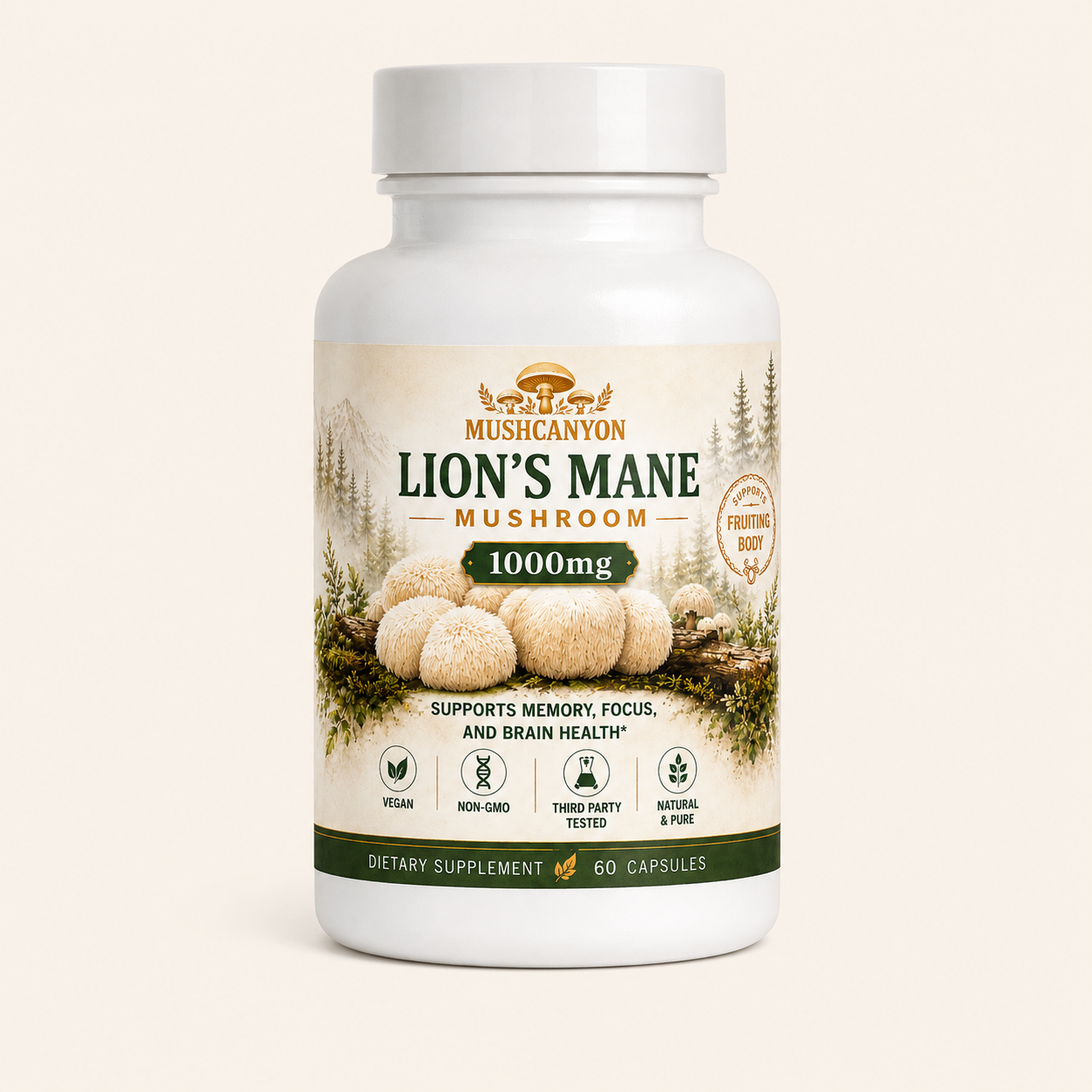
Lion’s Mane mushroom (Hericium erinaceus) has become one of the most talked-about brain supplements in recent years-and the research is catching up with the hype.
Why It Stands Out: Lion’s Mane may support nerve growth factor (NGF) production, a protein essential for neuroplasticity and the survival of brain cells. A 2026 RCT with 109 adults aged 40–75 found that 2 g/day for eight weeks significantly improved visual attention, working memory, sleep quality, and mood versus placebo. Earlier research by Mori et al. (2009) demonstrated cognitive improvements in older adults with mild cognitive impairment at ~3 g/day over 16 weeks.
Best For: Overall memory support and cognitive health.
Key Strengths: Research-backed, natural, supports daily cognitive function, improvements in mood and sleep alongside memory.
Possible Limitations: Benefits take 8–16 weeks to emerge. Not a stimulant, so don’t expect an immediate energy boost. Individual results vary, and cognitive gains may diminish after you stop taking it. Mild GI discomfort is possible.
Rating: 9.6/10

2. NooCube Complete Memory Formula
NooCube combines multiple evidence-backed nootropics into a single formula designed for comprehensive cognitive enhancement.
Why It Stands Out: The blend includes citicoline, Bacopa monnieri, Alpha-GPC, Huperzine A, and L-theanine. L-theanine promotes a calming state and may enhance working memory and verbal fluency, while phosphatidylserine in the formula promotes communication between nerve cells and boosts working memory.
Best For: People who want a multi-ingredient approach to memory and focus.
Key Strengths: Synergistic formula, multiple proven ingredients, supports both memory and mental performance.
Possible Limitations: More expensive than single-ingredient options. Complex formulations can make it harder to identify which ingredient is helping. Potential for interactions if you’re already taking medications.
Rating: 9.3/10
3. Citicoline (CDP-Choline)
Citicoline is one of the most researched standalone ingredients for memory recall, attention, and brain function.
Why It Stands Out: It supports acetylcholine synthesis-the neurotransmitter most directly involved in memory formation-and maintains neuronal membrane integrity. The Alzheimer’s Drug Discovery Foundation has rated it favorably for cognitive vitality.
Some supplements show potential for enhancing cognitive function in certain populations, and citicoline is a prime example. Targeted supplementation can help improve cognitive function if a deficiency in choline exists. However, a 2024 EFSA review noted that 1 g/day for 3–12 months did not show consistent significant effects in patients with dementia.
Best For: Memory recall and cognitive performance, particularly in those with existing mild decline.
Key Strengths: Extensive human studies, supports acetylcholine production, generally well-tolerated.
Possible Limitations: Can cause headaches or sleep disturbances in some users. Requires consistent dosing. Effects are more modest in healthy adults without deficits.
Rating: 9.2/10
4. DHA Omega-3
DHA is the omega 3 fatty acid most concentrated in brain tissue, making it essential for maintaining brain cell membranes throughout life.
Why It Stands Out: Omega-3 fatty acids help build brain cell membranes and are crucial for building brain cells and reducing inflammation. Higher fish intake is linked to lower cognitive decline risk, and some studies suggest higher fish oil consumption is linked to better memory. Omega-3s are found in fatty fish like salmon and mackerel, as well as certain vegetable oils and supplements.
However, consumers should know that omega-3 supplements haven’t proven effective for brain health in large-scale trials of healthy adults. The fda recommends no more than 3,000 mg of fish oil daily. Taking fish oil supplements or fish oil supplements in general remain popular, but the evidence is strongest for people whose diets are already low in fish.
Best For: Long-term brain health maintenance, aging support, and anti inflammatory protection.
Key Strengths: Extensive research base, cardiovascular benefits, omega-3s support focus and overall cognitive health.
Possible Limitations: Fishy taste or aftertaste, potential blood-thinning effects, quality varies widely between brands.
Rating: 9.1/10

5. Bacopa Monnieri
Bacopa is a traditional Ayurvedic herb that has been used for centuries to support memory and learning.
Why It Stands Out: Older meta-analyses suggest Bacopa may improve learning, delayed recall, and processing speed. However, a 2025 RCT by Lopresti et al. with 300 mg/day over 12 weeks found no significant improvement on primary cognitive outcomes, though stress reactivity, fatigue, and mood improved.
Best For: Students and people focused on long-term learning and information retention.
Key Strengths: Long traditional use, supports memory formation and stress reduction at doses of 300–600 mg/day.
Possible Limitations: Slow onset-benefits often take 8–12 weeks. Common side effects include digestive issues, nausea, and drowsiness. The most recent RCT data is mixed, which raises questions about efficacy at lower doses.
Rating: 9.0/10
6. Phosphatidylserine
Phosphatidylserine (PS) is a phospholipid that forms a critical part of brain cell membranes and supports intercellular communication.
Why It Stands Out: Early clinical trials (e.g., Crook et al.) showed that 300 mg/day improved learning and memory in older adults with age-associated memory impairment. PS appears most helpful for people who already show cognitive decline rather than healthy younger adults.
Best For: Older adults concerned about age-related cognitive decline.
Key Strengths: Supports membrane health, may reduce cortisol and stress, modern sources are soy- or sunflower-derived (avoiding older bovine safety concerns).
Possible Limitations: Later studies with soy-derived PS found inconsistent results. Expensive at clinical doses. Mild effects in people without baseline deficits.
Rating: 8.9/10
7. Magnesium L-Threonate
Magnesium L-Threonate (marketed as Magtein®) is the form of magnesium specifically designed to cross the blood-brain barrier effectively.
Why It Stands Out: A 2026 RCT gave adults 18–45 with poor sleep 2 g/day for 6 weeks and found significant improvements in overall cognition, working memory, and reaction time. Estimated cognitive age reduced by 7.5 years. An earlier trial in adults 50–70 saw a ~9-year reversal in brain-age metrics over 12 weeks. In related research, daily multivitamin use may slow cognitive aging by about two years, but magnesium L-threonate appears to offer larger effect sizes.
Best For: Brain magnesium deficiency and cognitive support, especially in adults with sleep issues.
Key Strengths: Unique brain penetration, strong recent clinical data, neuroprotective via enhanced synaptic plasticity.
Possible Limitations: Newer body of research with smaller sample sizes. Expensive compared to other supplements. Potential digestive effects, especially combined with other magnesium forms. Caution for patients with kidney disease.
Rating: 8.8/10
8. Rhodiola Rosea
Rhodiola is an adaptogenic herb used in traditional medicine across Russia and Scandinavia for centuries to combat stress and fatigue.
Why It Stands Out: Research suggests Rhodiola may reduce mental fatigue, improve mood under stress, and support cognitive performance during demanding tasks. It works by modulating cortisol and supporting neurotransmitter balance.
Best For: Stress-induced brain fog and mental fatigue.
Key Strengths: Stress adaptation, energy support without jitteriness, may improve mood and focus during high-pressure periods.
Possible Limitations: Stimulating effects may disrupt sleep if taken late in the day. Quality standardization varies between products. Timing-sensitive-best taken in the morning.
Rating: 8.7/10
9. Acetyl-L-Carnitine
Acetyl-L-Carnitine (ALCAR) is an amino acid that supports mitochondrial energy production in the body, including in brain cells.
Why It Stands Out: ALCAR supports cellular energy metabolism, which is critical for brain function. Some clinical evidence suggests it may benefit age-related cognitive decline and provide mental energy support.
Best For: Age-related cognitive decline and people needing mental energy without stimulants.
Key Strengths: Supports energy metabolism, neuroprotective properties, mood support in some studies.
Possible Limitations: Fishy odor in some formulations, digestive upset is possible, and research results remain mixed across populations. Vitamin e is sometimes combined with ALCAR in formulations, though evidence for that combination is limited.
Rating: 8.6/10
10. Pine Bark Extract
Pine Bark Extract (commonly as Pycnogenol®) provides potent antioxidant and circulation support for the brain.
Why It Stands Out: It supports cerebral blood flow and offers antioxidant protection against oxidative stress. In a similar vein, curcumin is a powerful anti inflammatory and antioxidant found in turmeric, and curcumin may improve memory and mood by affecting abnormal protein buildup in the brain. Both represent the antioxidant approach to brain support.
Best For: Brain circulation and oxidative stress protection.
Key Strengths: Antioxidant power, circulation support, anti inflammatory benefits.
Possible Limitations: Limited memory-specific human research, possible blood pressure effects, cost can be high for quality extracts.
Rating: 8.5/10
Quick Comparison of the Best Memory Supplements
- MushCanyon Lion’s Mane → Best overall memory support (students, adults, seniors)
- NooCube → Best multi-ingredient formula (professionals, multitaskers)
- Citicoline → Best for memory recall (anyone needing sharper retrieval)
- DHA Omega-3 → Best for long-term brain health (everyone, especially low-fish diets)
- Bacopa Monnieri → Best for learning and retention (students, slow-and-steady approach)
- Phosphatidylserine → Best for cognitive aging (seniors, 60+)
- Magnesium L-Threonate → Best brain magnesium (sleep-deprived adults, aging)
- Rhodiola Rosea → Best for stress-related brain fog (high-stress professionals)
- Acetyl-L-Carnitine → Best for mental energy (fatigue-prone adults)
- Pine Bark Extract → Best antioxidant brain support (circulation concerns)
How to Choose the Right Memory Supplement
Choose Based on Your Primary Goal
Different memory supplements target different cognitive domains. If your primary goal is to boost memory recall, citicoline has the most direct evidence. If you want to improve memory through long-term learning, Bacopa may serve you better-though you’ll need patience. For overall cognitive health and neuroprotection, Lion’s Mane or DHA omega-3s cover broader ground.
Choose Based on Your Age and Life Stage
Students often benefit from ingredients supporting learning and focus (Bacopa, citicoline). Working professionals dealing with stress may find Rhodiola or Lion’s Mane more relevant. Seniors should prioritize membrane-supporting compounds like phosphatidylserine and DHA, alongside magnesium L-threonate. Older adults may struggle to absorb b vitamins from food, making supplementation with B6, B12, and folic acid worth discussing with a doctor.
Choose Based on Research Evidence
Not all evidence is equal. Prioritize ingredients with human RCTs over those with only animal data. Look at sample sizes, study duration, and whether the research was sponsored by the ingredient manufacturer (common with branded ingredients like Magtein®). Even the strongest evidence for memory supplements shows modest, not miraculous, effects.
Which Memory Supplement Is Best for You?
Use this decision tree:
- Want overall cognitive support? → Start with MushCanyon Lion’s Mane
- Prioritize memory recall and attention? → Choose citicoline
- Focused on learning and retention? → Try Bacopa Monnieri (commit to 8–12 weeks)
- Want long-term brain health? → DHA Omega-3 is your foundation
- Experiencing stress-related brain fog? → Combine Lion’s Mane with Rhodiola
- Senior looking for age-related support? → Lion’s Mane + DHA + phosphatidylserine
Before you start taking any new supplement, consult your doctor-especially if you have a medical condition or take medications. At least one supplement on this list may interact with prescriptions you’re already on.
Safety Considerations and Side Effects
No discussion of the best brain supplements is complete without addressing safety.
Common side effects by category:
- Cholinergics (citicoline, Alpha-GPC): Headaches, sleep disturbances, GI upset. Can worsen conditions if cholinergic overstimulation occurs.
- Herbal extracts (Bacopa, Rhodiola): Digestive issues, drowsiness (Bacopa), or insomnia if taken late (Rhodiola).
- Mushroom supplements (Lion’s Mane): Mild GI discomfort; rare allergic reactions.
- Magnesium L-Threonate: Potential laxative effect; caution in kidney disease.
- Omega-3/fish oil: Blood-thinning effects; consult your doctor if on anticoagulants.
Quality concerns raise significant concerns. The fda does not pre-approve supplements for efficacy. Products marketed as memory enhancement supplements sometimes contain undeclared ingredients or fail to match label claims. Always look for third-party testing certifications. About 4% of adults 50+ take Prevagen, which lacks evidence of effectiveness despite widespread marketing.
Ginkgo biloba is commonly used in traditional chinese medicine and ginkgo supplements remain popular, but ginkgo biloba does not prevent dementia according to studies. The GEM study involved over 3,000 older adults and found no benefit. Ginkgo biloba may increase bleeding risk in some individuals. Research on ginkgo’s effectiveness for memory enhancement is inconsistent-gingko biloba is believed to improve cerebrovascular circulation and enhance concentration, but the clinical evidence doesn’t strongly support these claims. Other supplements like Prevagen face similar scrutiny.
No evidence supports supplements to prevent cognitive decline or treat specific diseases like dementia or alzheimer’s disease. These are medicine-level problems requiring medical treatment, not a pill from the supplement aisle.
What Most Memory Supplement Reviews Get Wrong
No supplement creates photographic memory. Many consumers are drawn to marketing claims that promise a big difference in cognitive function overnight. The placebo effect is real, and the promise of a “smart pill” sells. But the evidence tells a more nuanced story.
Lifestyle matters more than any supplement. Sleep is critical for memory consolidation. Exercise directly supports brain function by increasing BDNF and cerebral blood flow. A healthy diet rich in leafy greens, fish, and whole foods can make a meaningful difference that certain supplements simply can’t replicate. Eating well is the foundation-supplements are, at best, additions.
Nutrient deficiencies are the real opportunity. Vitamin D supplementation may improve memory and thinking skills in individuals with low levels, and low levels of Vitamin D are linked to poor cognitive function and memory decline. B12 and folic acid supplementation can improve cognitive scores in those with deficiencies. B vitamins are essential for nerve function and slowing age-related memory decline-specifically, b vitamins like B6, B12, and B9 support brain health. B vitamins may help prevent cognitive decline in older adults, making them essential nutrients worth checking with your doctor.
As harvard men’s health watch and similar publications have noted, correcting deficiencies delivers far more reliable results than adding supplements on top of an already adequate diet. The efficacy of any one supplement depends heavily on your starting point.
Frequently Asked Questions
What is the best memory supplement overall?
Based on current evidence, MushCanyon Lion’s Mane offers the strongest combination of research support, safety, and broad cognitive benefits for most people.
Do memory supplements actually work?
Some do, modestly. Results vary by ingredient, dose, individual, and baseline cognitive status. No supplement will treat dementia or replace a healthy diet and exercise.
How long do memory supplements take to work?
Most require 4–12 weeks of consistent use. Bacopa typically needs 8–12 weeks. Magnesium L-threonate may show effects in 6 weeks. Don’t expect overnight changes-results are slow and gradual.
Are memory supplements safe for daily use?
Generally yes, at studied doses. But always consult a doctor before adding any supplement, especially if you have a medical condition or take medications.
What ingredients have the most research support?
Citicoline, DHA omega-3, Bacopa monnieri, magnesium L-threonate, and Lion’s Mane currently have the most human clinical evidence.
Can memory supplements improve focus too?
Yes. Many memory supplements also support attention and focus. Citicoline and Lion’s Mane are particularly noted for focus benefits alongside memory support.
What’s the best memory supplement for seniors?
A combination of Lion’s Mane and DHA omega-3, potentially with phosphatidylserine. Address any b vitamins or vitamin D deficiencies first.
Do I need a prescription for memory supplements?
No. These are dietary supplements available without a prescription. However, this doesn’t mean they’re risk-free-consult your doctor before you start taking anything new.
Can memory supplements interact with medications?
Yes. Cholinergic supplements may interact with acetylcholinesterase inhibitors. Fish oil may interact with blood thinners. Bacopa may interact with sedatives. Always disclose supplement use to your healthcare provider.
What’s better than ginkgo biloba for memory?
Based on current evidence, Lion’s Mane, citicoline, and magnesium L-threonate all have stronger or more consistent clinical support than ginkgo supplements.
Is Lion’s Mane effective for memory?
Research suggests yes, particularly for working memory and attention in adults aged 40+. Effects require 8+ weeks of consistent use.
Should I take multiple memory supplements together?
You can, but start with one supplement to gauge your response before adding others. Stacking without guidance increases the risk of interactions.
What’s the best natural memory supplement?
Lion’s Mane mushroom is currently the best natural memory supplement based on human clinical evidence and safety profile.
How do I choose quality memory supplements?
Look for third-party testing (USP, NSF, ConsumerLab), transparent labeling, clinically studied dosages, and non gmo sourcing. Avoid products making disease-treatment claims.
Are expensive memory supplements worth it?
Not necessarily. Price doesn’t equal efficacy. A lower-risk approach is choosing single-ingredient supplements at clinically studied doses rather than expensive proprietary blends with undisclosed amounts.
Final Thoughts
The best memory supplements are those backed by human research, realistic expectations, and transparent formulations. Lion’s Mane and citicoline currently sit at the top for overall memory support and recall, while magnesium L-threonate is emerging as a strong contender with impressive recent trial data. DHA omega-3 remains the foundation for long-term brain health.
But here’s what no supplement company will tell you: no pill replaces sleep, exercise, stress management, and a nutrient-rich diet. These lifestyle factors do the heavy lifting for cognitive health. Supplements can play a supporting role-sometimes a meaningful one-but they’re not a substitute.
Before you start taking any memory supplement, talk to your doctor. Get your nutrient levels checked. Address any deficiencies first. Then, if it makes sense for your goals, choose one evidence-backed ingredient, give it 8–12 weeks at a clinically studied dose, and track your results honestly. That’s how you give yourself the best chance of actually seeing a difference.

